• Skip to main content
  • Skip to primary sidebar
  • Skip to footer
  • Home
  • About Us
  • Copyright Report
  • Submit Content
  • Terms
  • Privacy Policy
  • Legal Disclaimer

Hasan Jasim

Hasan Jasim is a place where you may get entertainment, viral videos, trending material, and breaking news. For a social generation, we are the largest community on the planet.

Peru’s Potato Museum: A Solution to the World Food Crisis?

by Hasan Jasim Editorial Team Leave a Comment

ShareTweet

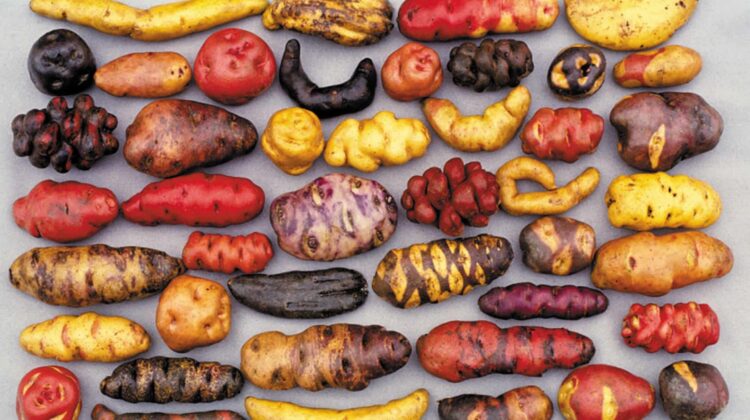
In the face of a rapidly changing climate and increasing threats to global food security, scientists have turned to a unique resource: Peru’s Potato Park. Located high in the Andes, this living museum is home to a vast diversity of potato varieties, providing a potential solution to the challenges posed by climate change.
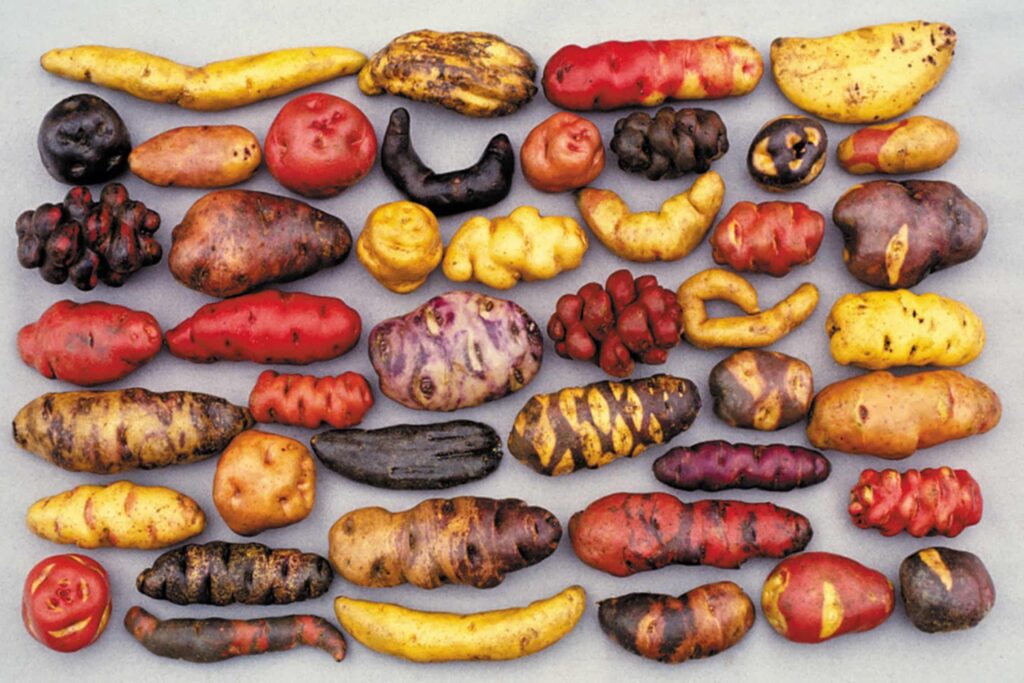
The Potato Park, spanning 90 square kilometers in Cusco, preserves the ancestral knowledge of farmers and their traditional potato strains. By cultivating potatoes at different altitudes and in various combinations, agronomists are able to create new genetic expressions that can better withstand droughts, floods, and frosts.

The park boasts an impressive collection of 1,367 potato varieties, making it a living laboratory of potato diversity. These potatoes, domesticated 7,000 years ago by the ancestors of Peruvian farmers, hold the key to adapting to climate change. However, with global heating impacting the region, pests are moving uphill, forcing farmers to plant potatoes in the park’s upper reaches where land availability is limited. To address this challenge, park residents are conducting tests to assess the resistance of native potato varieties to frost, hail, intense sunlight, and the Andean potato weevil.
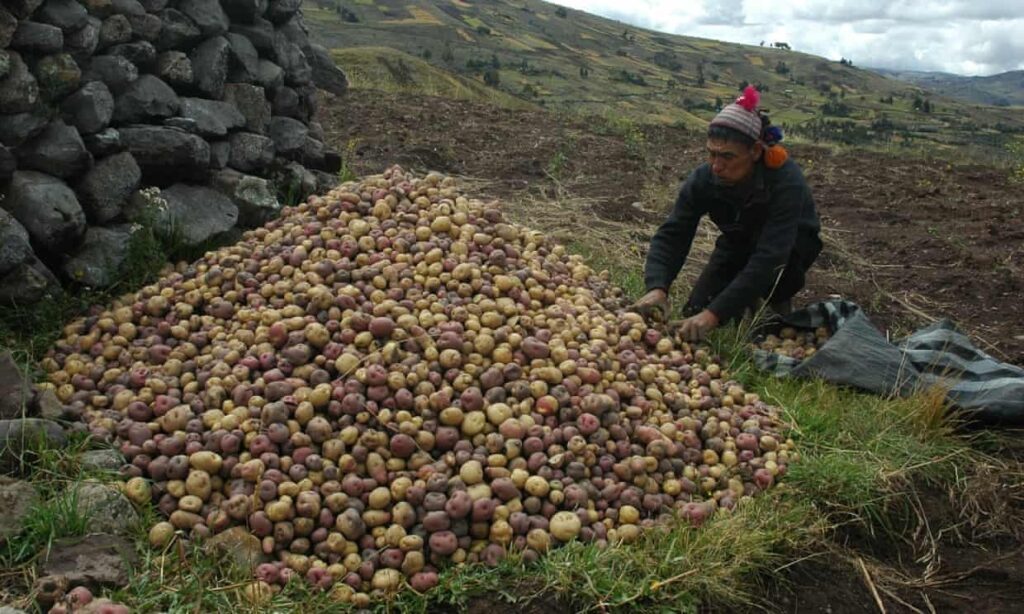
A worker picking potatoes high in the Andes. Photograph: The International Potato Centre

Preserving and utilizing the diversity of potato varieties is crucial for breeding new strains that can thrive in changing climates. While scientists explore genetic engineering in laboratories, the farmers in Potato Park have been practicing this work for thousands of years, often mixing crops with wild relatives to enhance resilience.

The results of their efforts are stored in an on-site seed bank and in the world’s largest in vitro gene bank at the International Potato Centre in Lima. These collections serve as vital resources for addressing global hunger and promoting sustainable agriculture. For instance, the Centre’s work in Africa and Asia, particularly in China, has contributed to combatting food shortages and generating income through the cultivation of fast-maturing, biofortified potatoes.
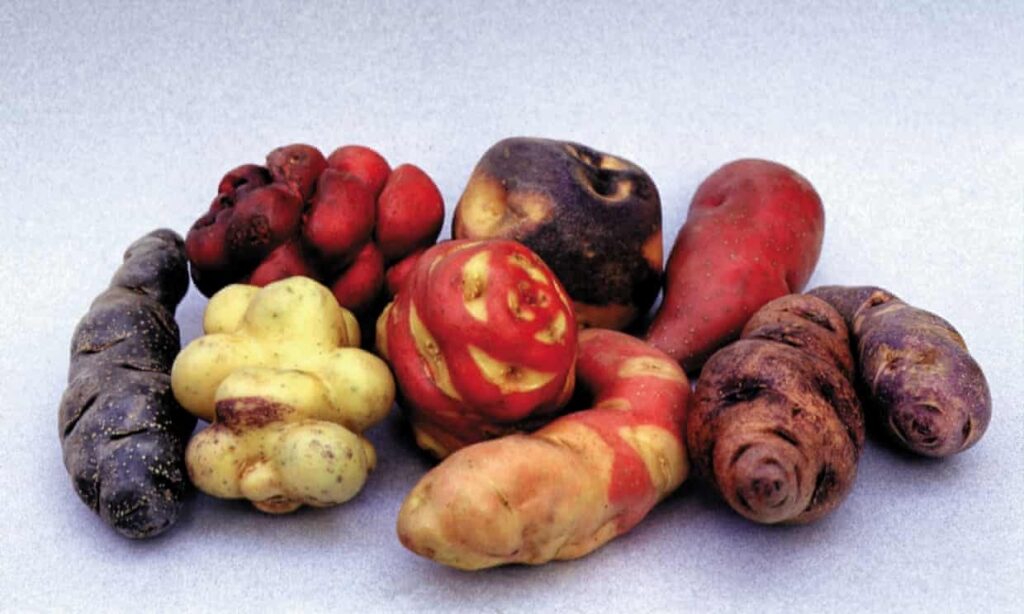
A selection of native potato varieties including the cuchipa acan, alq’a piña, puka piña, conejito, condor huarmi, lleque and chiquibonita. Photograph: The International Potato Centre

Maintaining biodiversity is critical as climate change accelerates. The United Nations Food and Agriculture Organization estimates that 75% of crop diversity was lost between 1900 and 2000, and the changing climate threatens the survival of up to 22% of wild relatives of food crops by 2055.
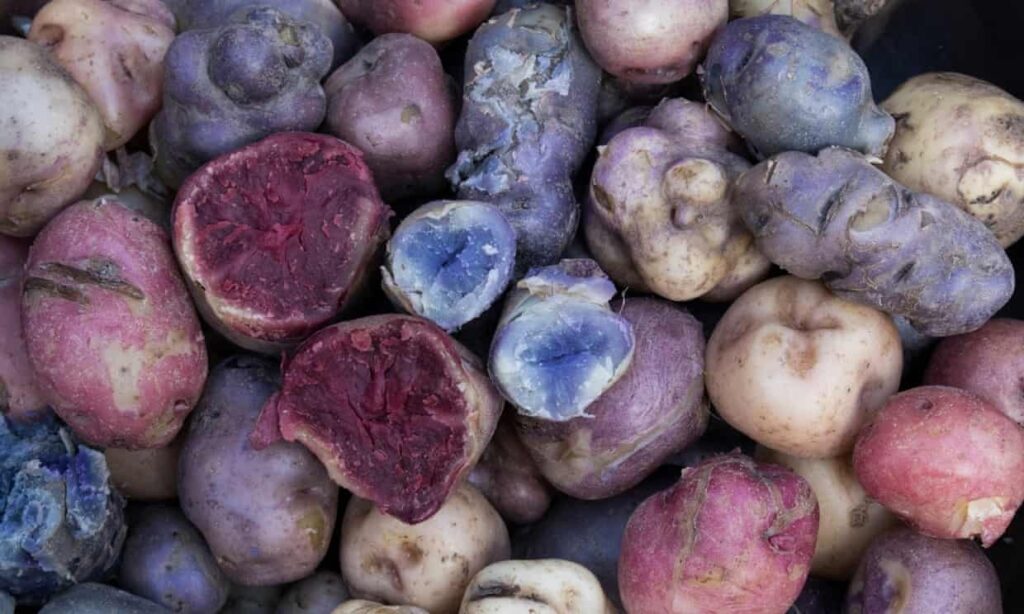
A selection of biofortified potatoes, grown to be higher in zinc and iron. Photograph: David Dudenhoeffer/The International Potato Centre

As soil degradation intensifies and crop resilience becomes increasingly important, the efforts of Potato Park’s guardians offer hope for feeding the world. By leveraging the knowledge of local farmers and preserving the diversity of potato varieties, Peru’s Potato Museum could play a vital role in addressing the global food crisis.

Filed Under: Trends Worldwide Tagged With: crisis, Food, museum, peru’s, potato, solution, trends, world, worldwide

Reader Interactions

Leave a Reply Cancel reply

Your email address will not be published. Required fields are marked *

Primary Sidebar

More to See

Why People with Green Eyes Are So Fascinating

By Hasan Jasim Editorial Team

After A Ruckus Caused By A Gang Of Macaques, Locals Rescued A Drowning Leopard

By Hasan Jasim Editorial Team

The World’s Smallest Chameleon Has Been Found, And It Is “Surprisingly” Endowed

By Hasan Jasim Editorial Team

Microscopic Organisms Have been Resurrected After 24,000 Years in Permafrost

By Hasan Jasim Editorial Team

Silverback Gorilla Teaches Himself to Walk Upright on Two Legs – A Fascinating Feat of Intelligence

By Hasan Jasim Editorial Team

The Dog Would not Leave the Construction Site Where She Last Saw Her Family

By Hasan Jasim Editorial Team

Unveiling the Aardwolf: A Remarkable Creature of Africa

By Hasan Jasim Editorial Team

Footer

About hasanjasim.online

Hasanjasim.online is a digital platform dedicated to publishing diverse articles and content, with a strong focus on topics related to the animal kingdom, nature, and the environment. The website offers engaging stories and visual content aimed at raising awareness about animal welfare and showcasing the wonders of the natural world, making it a great destination for nature lovers and curious readers alike.

Recent

  • When Her Nonverbal Son’s Communication Device Died at Dinner, This Mom Found a Backup That Never Runs Out of Battery
  • Lamb’s Quarters: The Wild “Weed” That Outperforms Spinach in Nutrition
  • A Restaurant Put Up One Simple Sign for Its Teenage Staff — and It Says Everything We Forget to Say
  • Bees Can Smell 50 Times Better Than Dogs — Here’s How
  • Elderly Mushroom Picker Dies in Suspected Bear Attack in Japanese Forest
  • Don’t Throw Away Those Watermelon Rinds: Make Crunchy Homemade Pickles
  • Under an Active Volcano: The Ancient Art of Sun-Drying Tomatoes at Mount Etna

Search