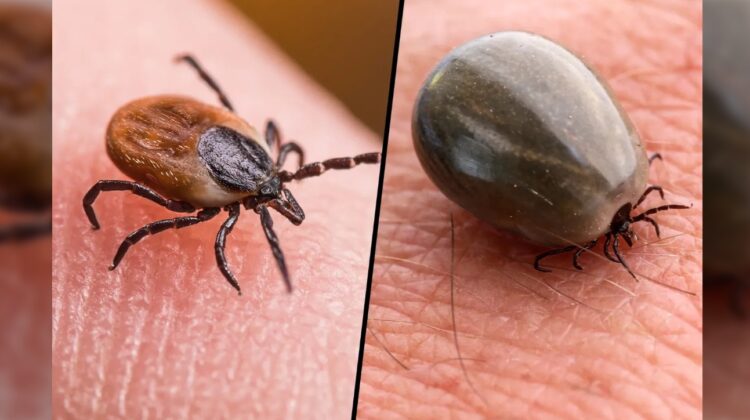
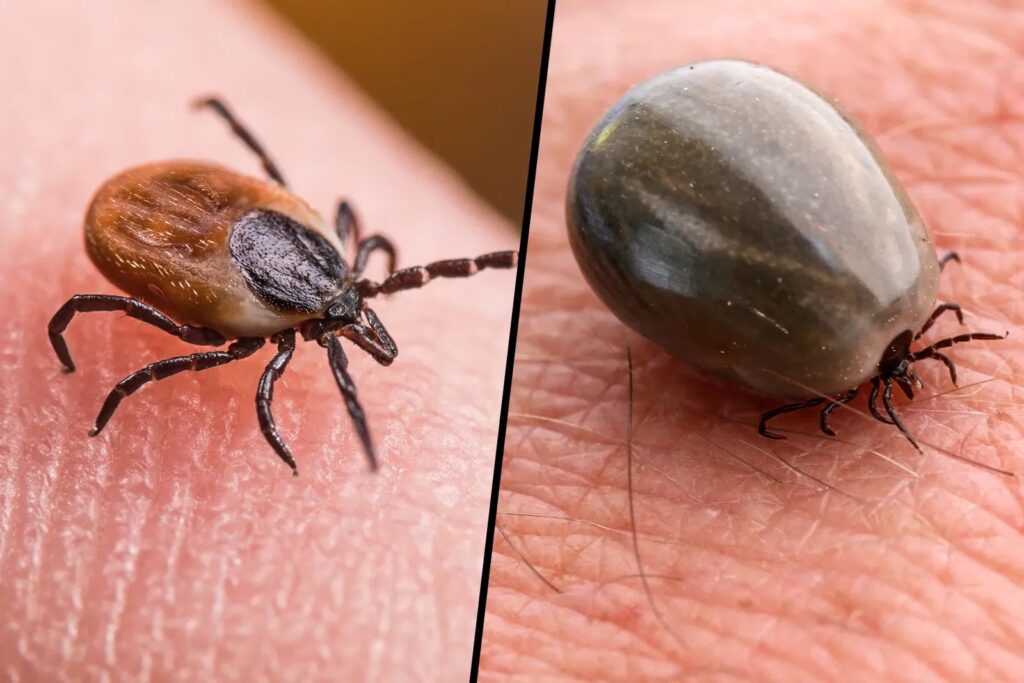
1. What Are Ticks?
Ticks are small parasites that feed on the blood of humans and animals. They are often found in grassy areas, forests, gardens, and places where pets or wild animals pass through. A tick bite is usually painless, so many people do not notice it right away. In some cases, the tick may stay attached to the skin for hours or even days before being discovered.
2. What Happens When a Tick Bites?
When a tick bites, it attaches tightly to the skin and begins feeding on blood. The bite may first appear as a small red bump. Some people may feel itching, mild swelling, or irritation around the area. However, the danger is not always the bite itself, but the germs that some ticks may carry.
The longer a tick remains attached, the higher the risk of infection in certain cases. That is why it is important to remove the tick as soon as possible and clean the bite area carefully.
3. Common Symptoms After a Tick Bite
After a tick bite, mild redness or itching can be normal. However, you should watch your body closely for several days or weeks. Warning symptoms may include fever, headache, tiredness, muscle pain, joint pain, swollen lymph nodes, or a spreading rash.
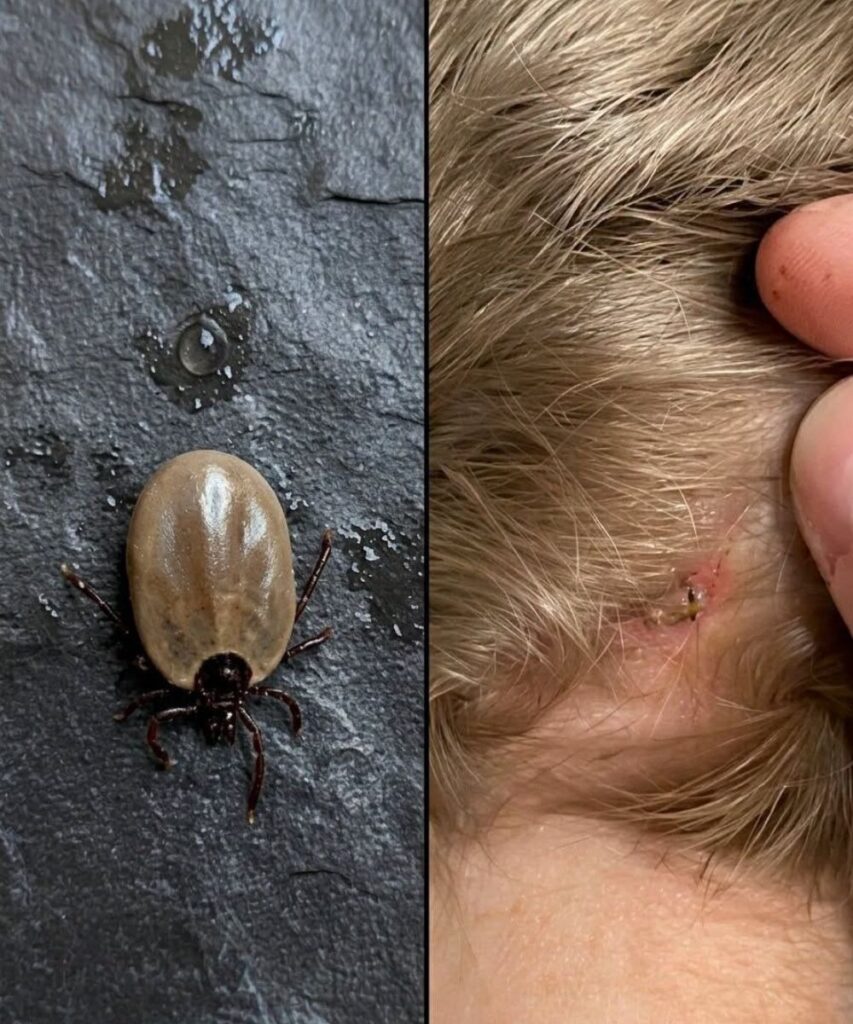
A rash that grows larger over time can be a sign of a tick-borne illness. Some people may also experience chills, weakness, or flu-like symptoms.
4. Diseases Ticks Can Spread
Ticks can carry and spread several diseases. One of the best-known is Lyme disease, which may cause fever, fatigue, headache, muscle pain, joint pain, and sometimes a spreading rash. If left untreated, it can affect the joints, nerves, or heart.
Ticks may also spread illnesses such as Rocky Mountain spotted fever, ehrlichiosis, anaplasmosis, babesiosis, and tick paralysis. These conditions can become serious, especially for children, older adults, and people with weak immune systems.
5. When Should You Worry?
You should seek medical advice if the bite area becomes larger, painful, swollen, warm, or produces pus. You should also be careful if you develop fever, rash, headache, muscle aches, joint pain, or unusual tiredness after a tick bite.
Emergency help may be needed if someone has trouble breathing, severe headache, weakness, paralysis, chest discomfort, or heart palpitations after being bitten.
6. How to Remove a Tick Safely
Use fine-tipped tweezers to grab the tick as close to the skin as possible. Pull upward slowly and steadily. Do not twist, crush, burn, or cover the tick with oil. These methods can make removal harder or increase irritation.
After removing the tick, clean the skin with soap and water or rubbing alcohol. Wash your hands well. If possible, save the tick in a sealed bag in case a doctor needs to identify it later.
7. How to Prevent Tick Bites
To reduce the risk of tick bites, avoid walking through tall grass or thick bushes when possible. Wear long sleeves, long pants, and closed shoes when going into wooded or grassy areas. After outdoor activities, check your body carefully, especially the scalp, behind the ears, underarms, waistline, behind the knees, and ankles.
Pets should also be checked because ticks can hide in their fur and later move indoors.
8. Final Thoughts
Ticks may look small, but their bites can lead to serious health problems. Not every tick carries disease, but every tick bite should be taken seriously. The best protection is early removal, proper cleaning, and careful monitoring for symptoms. A small bite may seem harmless at first, but paying attention early can prevent bigger health risks later.
Leave a Reply
You must be logged in to post a comment.