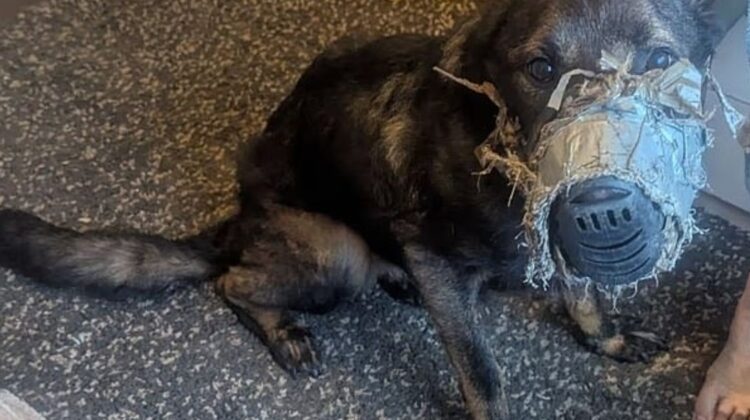
A woman in northeast England has been banned from keeping animals after a neglected German Shepherd was found severely underweight with a muzzle reportedly secured to his head using tape.
The dog, named Sparrow, was discovered during an animal welfare investigation at a property in South Shields, where inspectors also found two dehydrated kittens in poor condition.
According to evidence presented in court, animal welfare officers were alerted to concerns about Sparrow’s condition and visited the property to assess his welfare. Upon arrival, inspectors found the dog significantly underweight, with visible ribs, spine and pelvis, raising immediate concerns about his health and care.
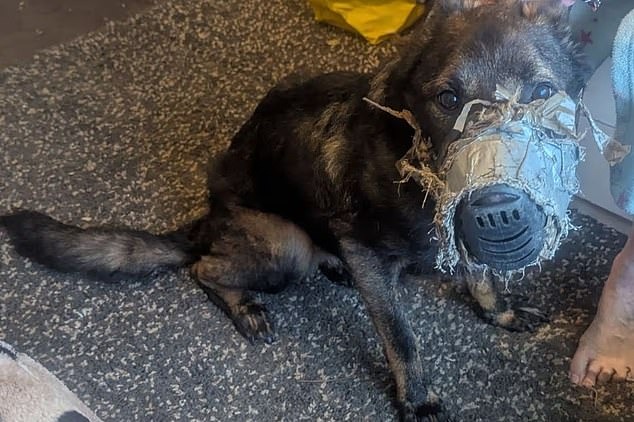
Officials reported that a basket-style muzzle had been attached using layers of tape around the dog’s face and head. Investigators were told the muzzle was routinely removed only for feeding.
Veterinary examinations later revealed that Sparrow was suffering from serious health issues, including a skin condition and secondary infection. Experts stated that preventing a dog with severe skin irritation from scratching could cause significant distress and negatively affect its welfare.
The dog was removed from the property along with two kittens, named Alpha and Beta, which were found dehydrated and heavily infested with fleas.
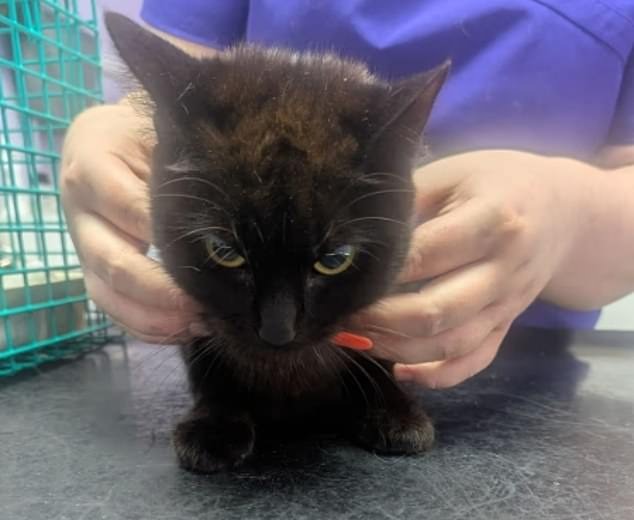
While the kittens responded to treatment and recovered, Sparrow’s condition continued to deteriorate. Despite veterinary efforts, the German Shepherd was ultimately euthanized on welfare grounds.
The owner later admitted multiple offenses relating to the care of the animals. During sentencing, the court imposed a five-year ban on keeping animals, alongside financial penalties.
Animal welfare organizations described the case as a reminder of the importance of providing pets with adequate nutrition, veterinary care, clean living conditions and freedom from unnecessary restraint.
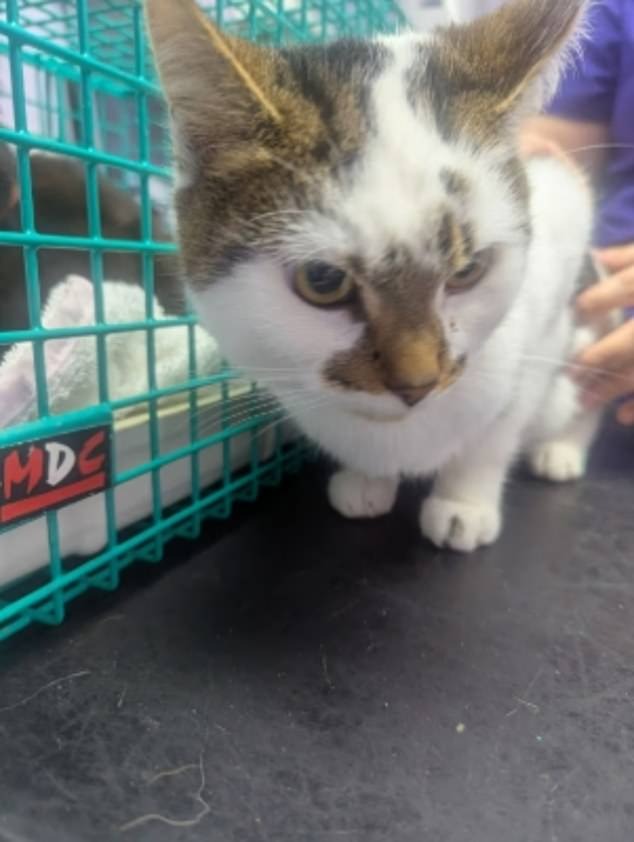
The surviving kittens have since recovered and are expected to be rehomed through animal welfare channels.
Animal welfare charities and veterinary professionals continue to emphasize the importance of responsible pet ownership, preventive veterinary care, pet nutrition and early intervention when animals show signs of illness or distress. Organizations involved in animal rescue and rehabilitation handle thousands of neglect cases each year, highlighting the ongoing need for animal welfare education, pet adoption programs and stronger awareness of proper care standards for companion animals.
Leave a Reply