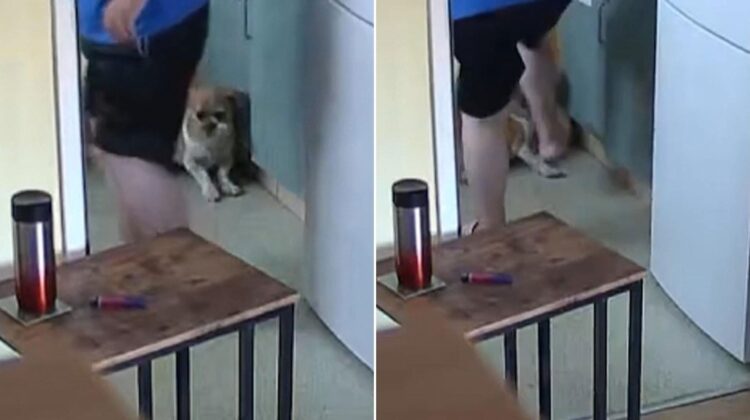
A woman from Dorset has been banned from owning dogs for five years after hidden security cameras captured repeated acts of abuse against her Shih Tzu-cross, revealing disturbing scenes that animal welfare experts described as causing both physical pain and severe psychological distress.
The case came to light after video footage recorded inside the woman’s home in Wimborne was shared with the RSPCA by a neighbor who had access to the recordings. The footage, filmed over a two-day period in July last year, documented multiple incidents involving the woman’s own dog, Shuini, as well as another dog named Loki, which she had been caring for on behalf of a friend.
According to prosecutors, the videos showed 65-year-old Kay Holloway reacting aggressively after the dogs urinated indoors and soiled bedding. Rather than responding with patience or training, investigators said the footage revealed repeated acts of intimidation and violence.
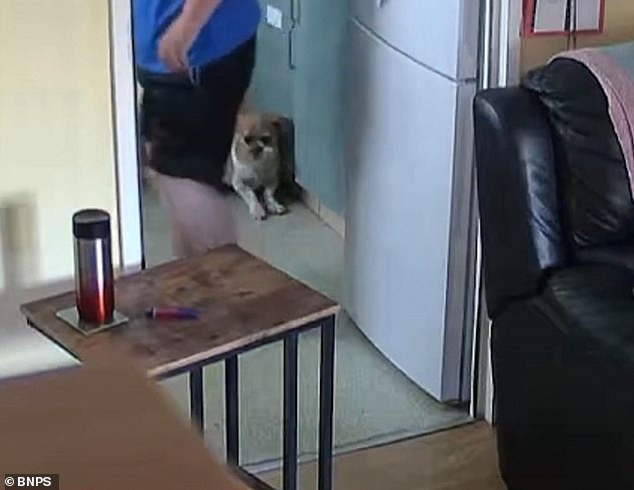
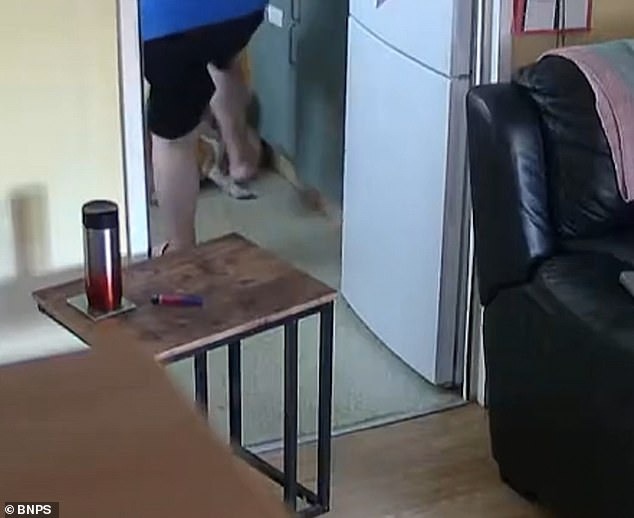
One of the most distressing clips showed Shuini lying on the kitchen floor before Holloway approached the frightened dog. The footage allegedly captured her kicking the small animal before picking up a slipper and striking the dog numerous times while it cried and whimpered. Throughout the incident, she could also be heard shouting insults and making threats toward the animal.
Additional recordings reviewed during the investigation appeared to show both dogs being roughly handled on several occasions. Prosecutors said the dogs were repeatedly dragged by their collars, lifted by the neck, yanked across the floor, and slammed into doors during moments of frustration.
A veterinary expert who examined the recordings told the court that the repeated rough handling was capable of causing pain, bruising, swelling, and soft tissue injuries. More significantly, the veterinarian concluded that the dogs displayed unmistakable signs of emotional suffering.
According to the expert’s testimony, both animals exhibited classic indicators of fear and chronic stress, including frequent whimpering, crouched body posture, flattened ears, avoidance behavior, hesitation when approached, and attempts to retreat into corners. The report suggested that one bite delivered by Shuini during the incident was likely a defensive reaction driven by fear rather than aggression.
The court also heard that Holloway regularly threatened violence toward both animals, reinforcing concerns that physical punishment had become a routine method of dealing with unwanted behavior rather than an isolated loss of temper.
During sentencing, Holloway admitted the offense and expressed remorse. The court was told she had been struggling with several health conditions and found herself unable to cope with caring for the second dog, Loki, while its owner was away. However, the magistrates concluded that these circumstances did not excuse the repeated mistreatment captured on video.

Following her guilty plea to an animal welfare offense prosecuted by the RSPCA, Holloway was fined £1,415 and ordered to pay court costs and a victim surcharge. She was also banned from keeping dogs for five years.
Shuini has since been removed from her care and successfully rehomed through the RSPCA, where animal welfare staff hope the dog will recover from the traumatic experiences documented in the recordings.
Speaking after the case, RSPCA Inspector Patrick Bailey emphasized that dogs experience pain, fear, and emotional distress just as people do. He noted that the repeated abuse shown in the recordings demonstrated a pattern of intimidation rather than a single moment of anger, highlighting the importance of reporting suspected cruelty whenever concerns arise.

Animal welfare organizations say the case serves as another reminder that companion animals depend entirely on the people responsible for them. Training, patience, and understanding—not fear or violence—are essential to building trust between humans and their pets.
For a dog, home should be the safest place in the world—a place of comfort, security, and unconditional trust. When that trust is replaced with fear, the emotional wounds can last long after physical injuries have healed. Cases like Shuini’s highlight the vital role that neighbors, witnesses, and animal welfare organizations play in protecting vulnerable animals from abuse. Every report of suspected cruelty has the potential to save a life, reminding us that kindness toward animals is not only a legal responsibility but a reflection of the compassion we choose to show every living creature.
Leave a Reply