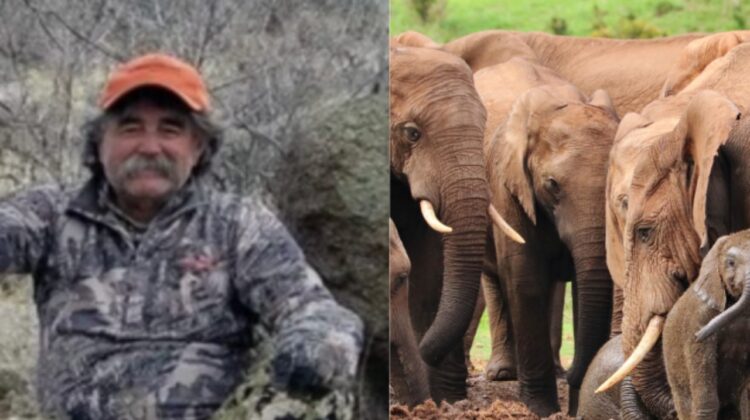
The family of an American hunter who died after an encounter with elephants in Gabon says they faced confusion and conflicting reports in the hours following the tragedy, adding that they learned of his death through legal representatives before receiving direct notification.
The incident has drawn international attention and reignited debate over big-game hunting and wildlife conservation.
What happened?
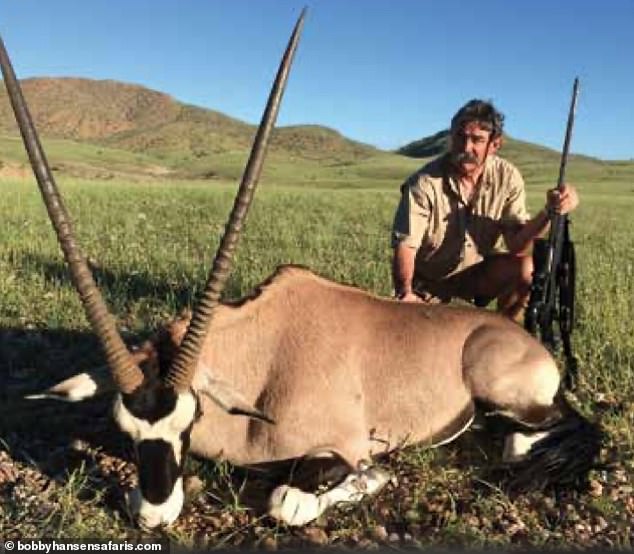
Ernie Dosio, 75, a California vineyard owner, died on April 17 while taking part in a guided hunting expedition in Gabon’s rainforest.
According to statements from officials and the safari operator, Dosio and a professional hunting guide were tracking a yellow-backed duiker, a forest antelope, when they unexpectedly encountered a group of forest elephants, including a calf.
Wildlife experts note that elephants, particularly mothers protecting young, may react aggressively if they perceive a threat.
The elephants reportedly charged the pair. The professional hunter was seriously injured during the encounter, while Dosio was knocked to the ground and fatally trampled.
The safari company later confirmed that one client had died and the accompanying professional hunter had survived with injuries.
Family describes confusion
Dosio’s family says the first hours after the incident were marked by uncertainty.
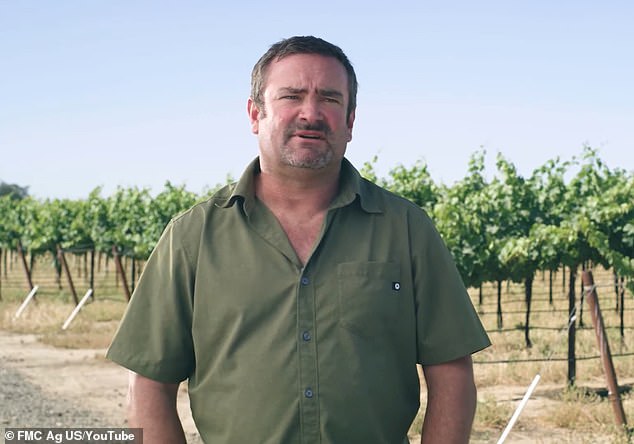
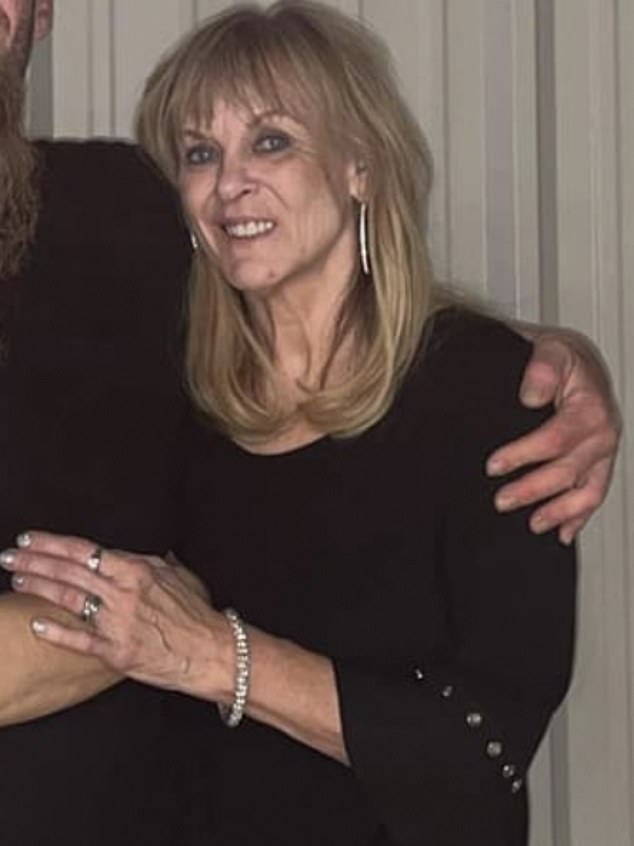
His former wife, Rinda Butler Dosio, said relatives initially received conflicting accounts about what had happened, with different reports circulating before accurate information became available.
She also said the family’s lawyers were informed before relatives themselves, making an already devastating situation even more difficult.
His son, Jeff Dosio, said many details surrounding his father’s final moments had been misunderstood or presented inaccurately and expressed frustration over photographs and personal information being widely shared online.
Debate over big-game hunting
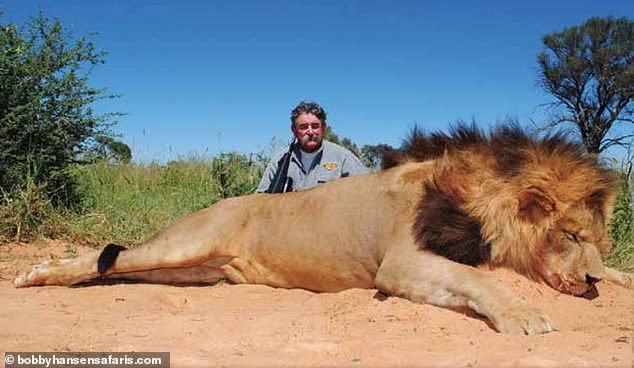
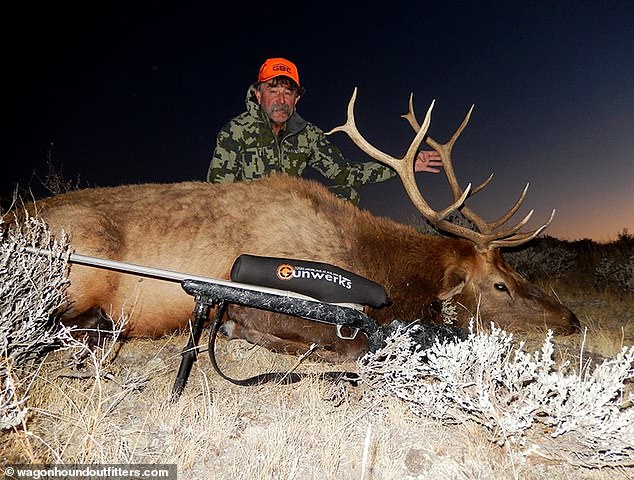
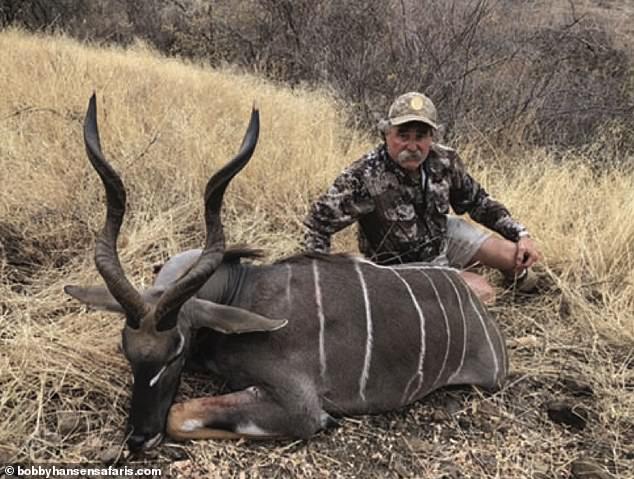
Dosio had spent decades participating in licensed hunting expeditions in Africa and North America.
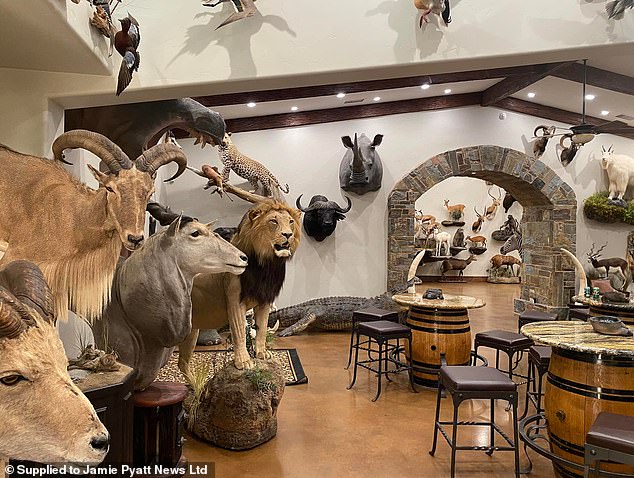
People familiar with his activities said his hunts complied with local regulations and were conducted under legal permits associated with wildlife management programs.
However, his death sparked intense debate online.
Some social media users criticized trophy hunting, while others argued that regulated hunting programs can play a role in wildlife conservation and population management in certain regions.
The case has once again highlighted the deep divide in public opinion surrounding big-game hunting, conservation policies, and the ethical treatment of wildlife.
Why does it matter?
Encounters with wild elephants remain among the most dangerous situations in the African wilderness.
Conservation experts say elephants are highly intelligent and protective animals that may charge if they believe their herd or young are threatened, particularly in dense forest where visibility is limited.
The incident also underscores the risks associated with wildlife expeditions and the importance of accurate communication with families following overseas emergencies.
Authorities continue to handle the repatriation process, while Dosio’s family says they are focused on grieving their loss and seeking clarity about the circumstances surrounding his death.
The death of Ernie Dosio has become more than a tragic wildlife incident—it has reignited a global conversation about conservation, trophy hunting, and humanity’s relationship with wild animals. While opinions remain sharply divided, the case serves as a reminder that nature is unpredictable, and close encounters with powerful wildlife can have devastating consequences, regardless of experience or preparation.
Leave a Reply