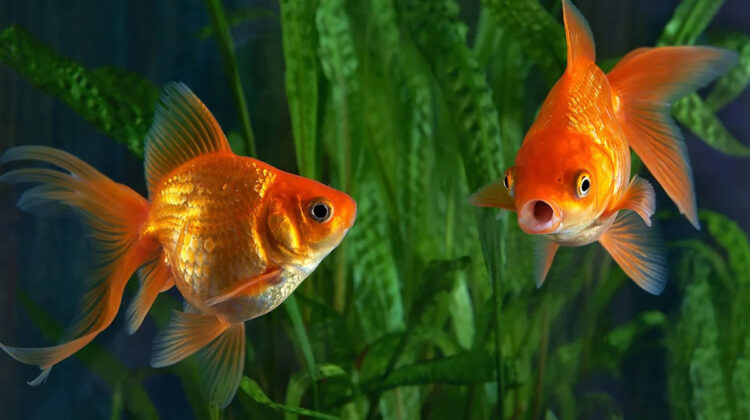
Two goldfish rescued from a sushi restaurant display tank in Buenos Aires have become the center of a historic animal welfare case after an Argentine court recognized them as sentient beings with legal protections.
The ruling has attracted international attention, with animal advocates saying it could help protect other animals kept in conditions that may be considered cruel under Argentine law.
What happened?
The two goldfish, named Fede and Magui, were kept in a small glass tank attached to the outside of a sushi restaurant in Buenos Aires. The tank, which held around 40 liters (10.5 gallons) of water, exposed the fish to direct sunlight, traffic noise, and changing weather conditions.
Animal rights group Jaulas Vacías (Empty Cages) filed a complaint, arguing that the fish were living in unsuitable conditions that violated Argentina’s animal cruelty laws.
Attorney Matías Trufero, who represented the organization, said that anyone observing the tank could immediately see that it was not an appropriate environment for the fish.
The group requested that the court not only remove the goldfish from the restaurant but also recognize them as “subjects of law” — meaning living beings capable of experiencing harm and deserving of legal protection rather than being treated simply as property.
The court agreed.
A new life for Fede and Magui
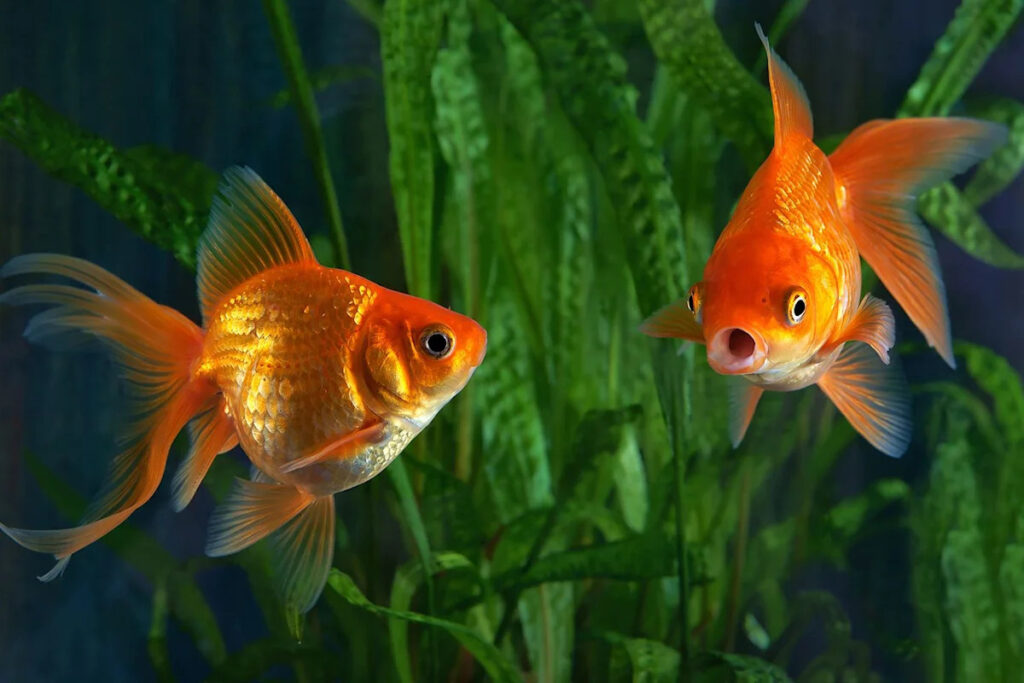
With help from aquatic animal specialists, the two goldfish were removed from the restaurant and moved to a much larger 2,500-liter (660-gallon) aquarium at the home of Carlos José Aga, an expert who volunteered to care for them.
Aga compared their previous conditions to placing two polar bears inside a cage located in a sauna, explaining that fish require carefully controlled environments to remain healthy.
He noted that fish are highly sensitive to changes in water quality, temperature, and their surroundings. Their environment must be carefully maintained to prevent stress, illness, and weakened immunity.
Why does the ruling matter?
The decision is considered one of the first in Argentina to specifically recognize fish as sentient beings deserving legal protection.
Animal advocates believe the ruling could influence future cases involving animals kept in poor conditions and may strengthen efforts to improve animal welfare standards.
However, the decision does not mean that keeping fish as pets is illegal.
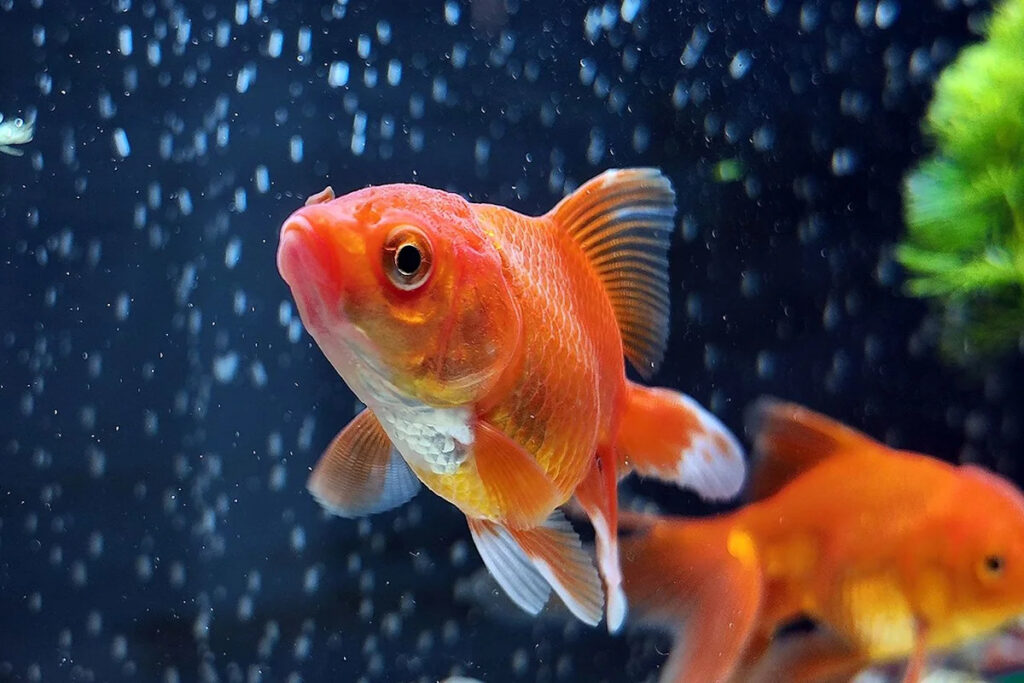
Trufero explained that owning aquarium fish remains allowed, but owners must provide appropriate care. Keeping animals in conditions that cause suffering, including overcrowding, lack of proper food, or neglect, could be considered cruelty under the law.
Credit: Getty
A growing movement for animal rights
The case is part of a wider global discussion about whether certain animals should receive greater legal recognition.
Argentina previously made international headlines in 2014 when a court recognized Sandra, an orangutan at the Buenos Aires Zoo, as a “non-human person” after activists challenged her captivity. Sandra was later moved to a sanctuary in Florida in 2019.
Supporters of stronger animal protections say the goldfish ruling sends an important message: animals that cannot defend themselves still deserve protection through laws and people willing to speak on their behalf.
Today, Fede and Magui are reportedly adapting well to their new home, where they now have a safer and more suitable environment.
A tiny fish tank outside a restaurant has sparked a major legal debate about animal rights around the world. The story of Fede and Magui shows how society’s understanding of animal welfare is changing, with courts increasingly recognizing that animals are not simply objects but living creatures capable of experiencing stress and suffering. While the ruling focuses on two small goldfish, it could influence how millions of animals are treated in the future — from pets kept at home to wildlife and farm animals requiring protection.
Leave a Reply