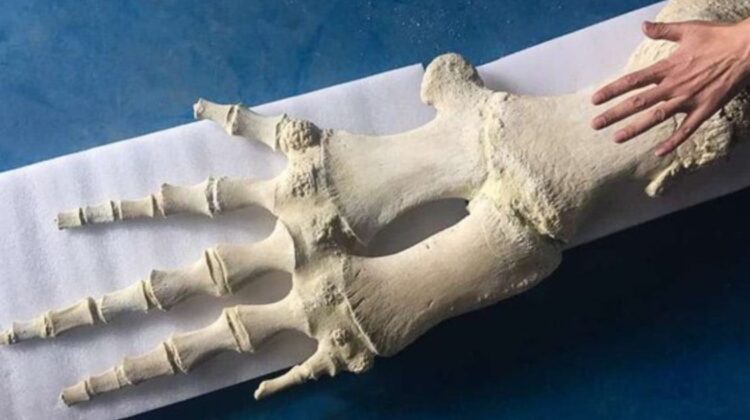
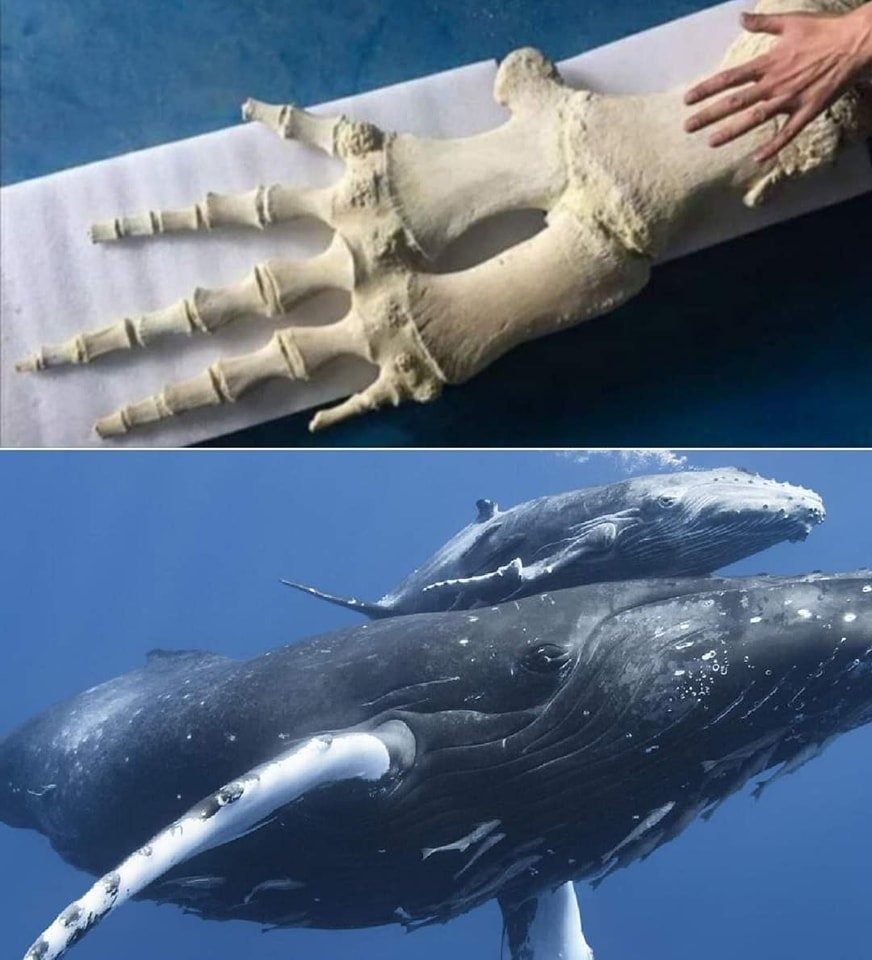
The enchanting world of cetaceans and pinnipeds holds an intriguing secret beneath their water-adapted flippers—bones that bear an uncanny resemblance to the human hand, complete with a thumb. The seemingly mystical connection between these aquatic giants and our own anatomy raises an important question: Why do whale fins, those marvelous flippers that carry them through the oceans, display this striking semblance to human hands?
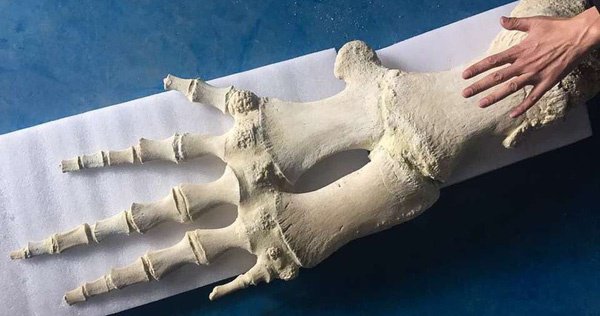
While it might surprise many, whales are not fish; they are, in fact, mammals, belonging to the group of vertebrates known as Artiodactyla. Artiodactyls encompass a diverse range of creatures, from the likes of pigs to sheep and other ungulates. Whales’ classification within this group comes after years of genetic analysis and fossil evidence scrutiny. The journey to classify them accurately led to the creation of the term “Cetacean,” which scientists continue to recognize as their official name.
This evolutionary tale of flippers with human-like features finds its roots in the fossil record, specifically within the ranks of creatures like Pakicetus, an ancient whale genus. This once land-dwelling species inhabited the coastal regions of the ancient Tethys during the Pre-Eocene period. The process of transitioning from land to sea gradually unfolded through a series of transitional fossils, such as Ambulocetus, Remingtonocetus, Rodhocetus, Protocetus, Dorudon, and Basilosaurus. Each iteration marked an evolutionary milestone toward aquatic life, with hind limbs shortening and transforming into the streamlined fins we recognize today.
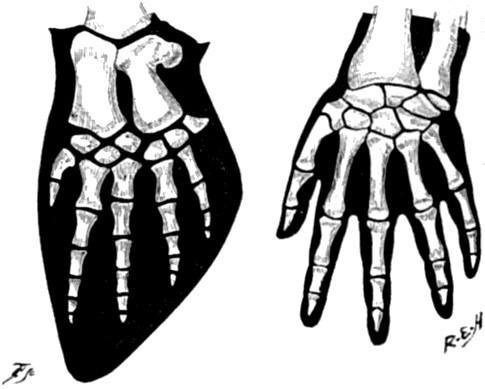
Surprisingly, DNA analysis revealed that the most closely related animals to whales today are hippos, tracing back to a common ancestor some 50 million years ago. The ancient trail of evolution offers other instances of terrestrial creatures boasting five fingers, like frogs, lizards, bats, and crocodiles. The lineage of five-fingered creatures on land leads us back to a common fish ancestor around 380 million years ago, offering a glimpse into a world where the coelacanth’s (lobe finfish) fins bore both flesh and bones, a precursor to adaptations enabling movement from water to land.
Through the evolutionary process, those early fins gradually developed hand-like characteristics, eventually culminating in species like Acanthostega. This transitional creature marked a pivotal moment with eight fingers on each foot, which eventually evolved and merged into five fingers as it adapted to terrestrial life around 350 million years ago.
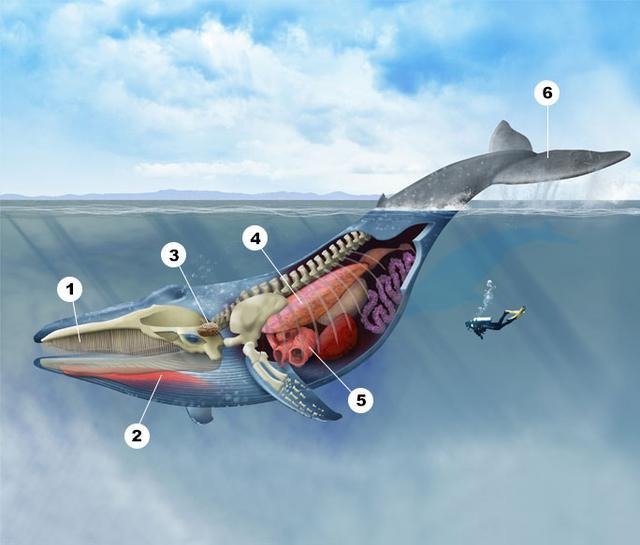
The revelation that whales, those majestic marine giants, bear flippers reminiscent of human hands, underscores the intricate tapestry of life’s evolution. As we peer into the past, examining fossils and tracing the paths of ancestral creatures, we glimpse the remarkable journey that connects us to the natural world. The five fingers that grace the whale’s flippers are more than a quirk of nature; they are a testament to the interconnectedness that spans millennia, bridging species and generations. In this tale of adaptation, we discover the echoes of life’s transformations, each step a testament to the ongoing narrative of our planet’s evolution.
Leave a Reply