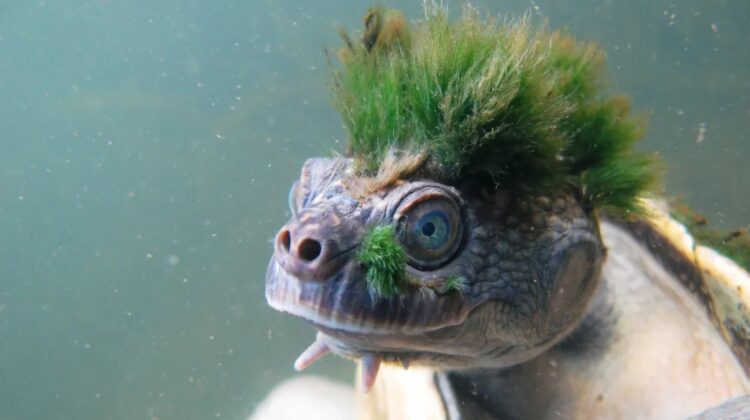
Deep in Australia’s Mary River lives one of the world’s most unusual reptiles—a turtle with a remarkable survival ability that has fascinated scientists for decades. Known as the Mary River turtle, this endangered species can absorb oxygen through its cloaca, allowing it to remain underwater for extended periods without surfacing for air.
The cloaca is a single opening used by reptiles for excretion and reproduction. In the Mary River turtle, specialized sacs inside this opening extract oxygen from flowing water, a process often referred to as cloacal respiration. While the nickname “butt-breathing turtle” has made headlines around the world, the adaptation is a genuine evolutionary advantage, enabling the turtle to stay submerged for up to three days under favorable conditions.
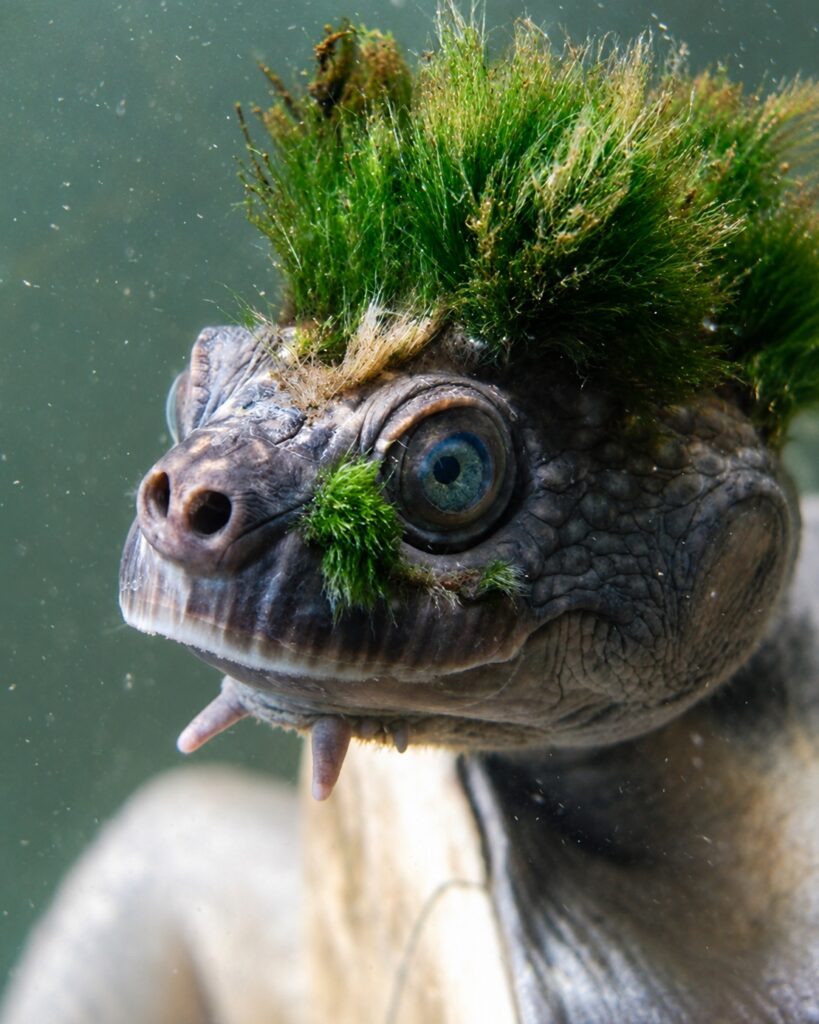
The species is equally recognizable for its distinctive appearance. Green algae frequently grow on its head and shell, giving some individuals the appearance of sporting a bright green mohawk. This unusual look, combined with its calm nature, made the turtle highly desirable in the pet trade during the 1960s and 1970s.
For more than two decades, thousands of hatchlings were collected from the wild and sold as pets before scientists officially recognized the Mary River turtle as a separate species. The large-scale harvesting of eggs dramatically reduced wild populations and contributed to the turtle’s decline.
Today, conservationists classify the Mary River turtle as endangered, and it has been included on the Zoological Society of London’s Evolutionarily Distinct and Globally Endangered (EDGE) list. The ranking highlights species that are both highly threatened and genetically unique.
Researchers estimate that the Mary River turtle diverged from its closest living relatives around 40 million years ago, making it the last surviving representative of an ancient evolutionary lineage. Losing the species would mean the disappearance of millions of years of unique evolutionary history.
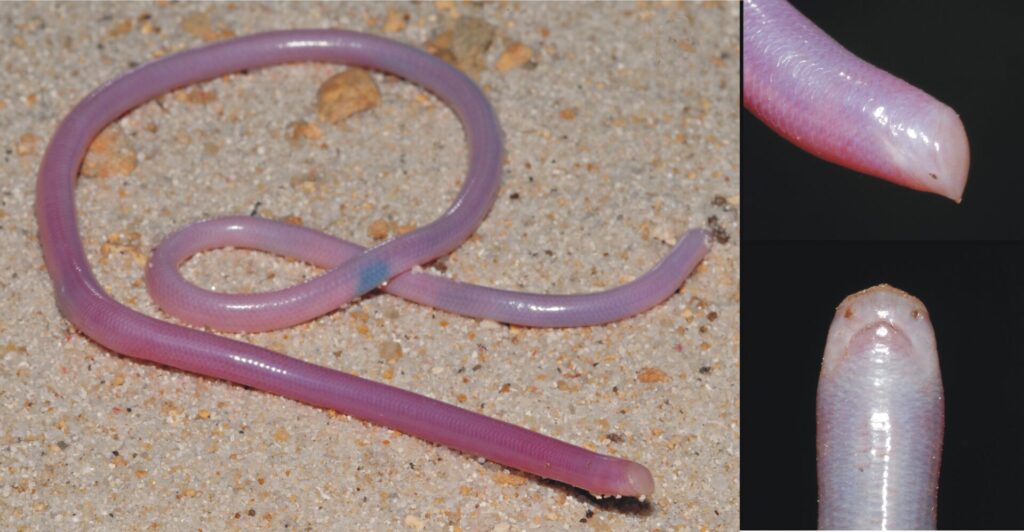
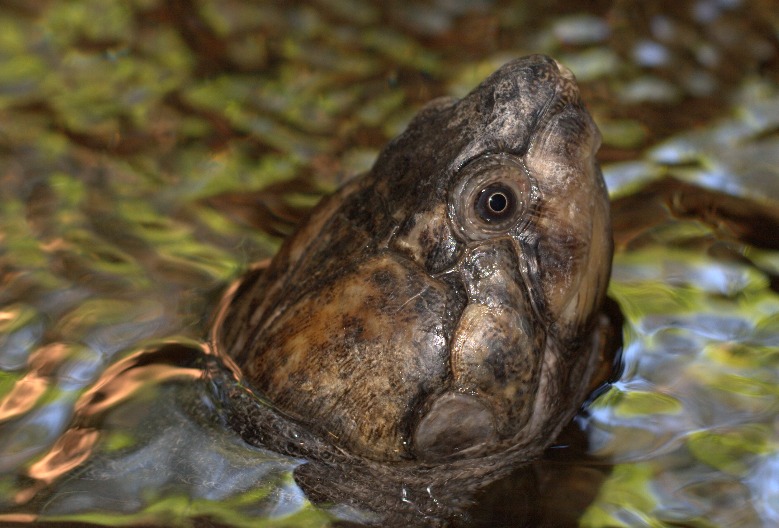
The EDGE list also includes other remarkable reptiles, from the Madagascan big-headed turtle, which tops the rankings, to rare snakes, lizards, and chameleons that exist nowhere else on Earth. Scientists say these ancient species often receive far less conservation attention than mammals or birds despite representing irreplaceable branches of the tree of life.
Conservation experts warn that protecting reptiles like the Mary River turtle is essential for preserving global biodiversity. Their unique adaptations provide valuable insights into evolution, ecology, and how wildlife responds to environmental change.
Although its unusual breathing ability often captures public attention, scientists hope the fascination surrounding the Mary River turtle will encourage greater support for conservation efforts before one of the planet’s most extraordinary reptiles disappears forever.
Protecting endangered reptiles helps preserve millions of years of evolutionary history that cannot be replaced once lost. Scientists study species like the Mary River turtle to better understand adaptation, biodiversity, freshwater ecosystems, and the long-term effects of habitat loss and climate change. Supporting wildlife conservation benefits not only rare animals but also the ecosystems that sustain countless other species.
Leave a Reply