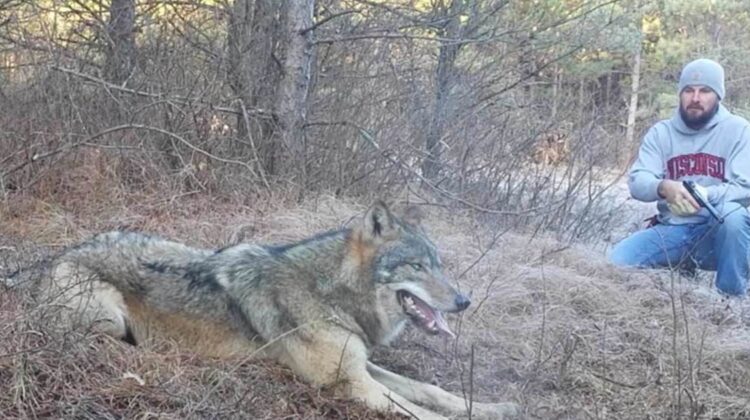
Trapping is a routine part of wildlife management in many parts of the United States, especially when it comes to coyotes. But every so often, a trap set for one animal ends up catching another — and one such case, caught on camera in Wisconsin, turned into an unexpectedly heartwarming rescue.
A Trap Meant For A Coyote, A Wolf Instead
Coyote trapping is common across much of the U.S., both because coyote populations can grow quickly and because the animals sometimes prey on livestock or pets. Responsible trappers generally use foothold traps rather than lethal devices specifically so that if the wrong animal wanders in, it can be released unharmed.
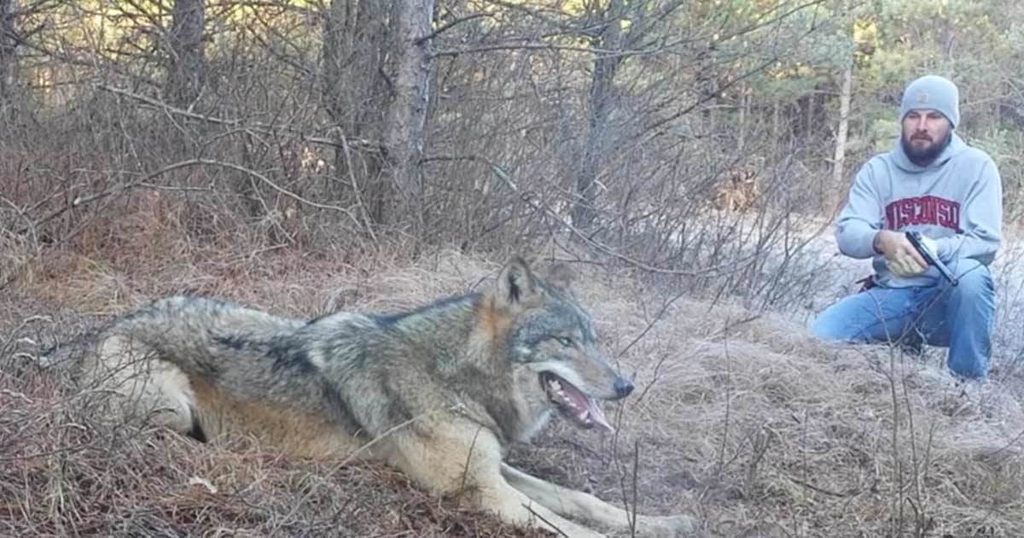
That’s exactly what happened to one trapper in Wisconsin, who checked his coyote trap expecting to find a coyote and instead found a timber wolf, its paw firmly caught in the trap’s jaws.
A Careful, Deliberate Rescue
Freeing a full-grown wolf is no small task — even one that’s injured or exhausted from being caught. Wolves are powerful animals, and an unrestrained wolf reacting out of fear or pain could easily injure a person trying to help it.
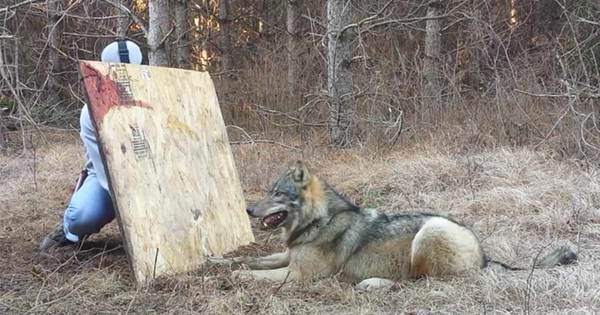
To protect himself while releasing the trap, the man used a plywood board with a hole cut into it, allowing him to pin and control the wolf’s leg safely while he worked the trap open. Within moments of the trap releasing, the wolf pulled free and bolted back into the tree line, disappearing into the forest without looking back.
Why Foothold Traps Matter For Non-Target Animals
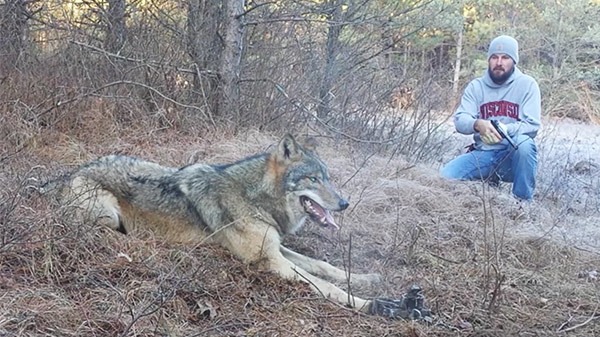
Foothold traps like the one used in this case are specifically designed to restrain an animal by the leg without causing serious injury, which is precisely what made this rescue possible. Had a different, more severe type of trap been used, the outcome for the wolf could have been very different.
Non-target catches — cases where a trap intended for one species catches another — are a known challenge in trapping, and encounters like this one are often cited by wildlife advocates as a reason for careful trap selection and regular trap checks, so that any unintended catch can be released quickly and with as little harm as possible.
A Reminder About Wolves In The Wild
Timber wolves, a subspecies of the gray wolf, were once nearly eliminated from much of the contiguous United States due to hunting and habitat loss. Populations in states like Wisconsin have since rebounded through conservation efforts, though wolves remain a source of ongoing debate between conservationists, hunters, and livestock owners in areas where their ranges overlap with human activity.
Encounters like this one are a reminder that even in landscapes shared with humans, a moment of quick thinking and caution can mean the difference between tragedy and a safe return to the wild.
Frequently Asked Questions
Why was a wolf caught in a coyote trap?
Foothold traps set for coyotes don’t distinguish between species, so any animal that steps into the trigger area can be caught. In this case, a timber wolf wandered into a trap intended for a coyote.
Are foothold traps designed to kill animals?
No. Foothold traps are designed to restrain an animal by the leg without killing it, which allows trappers to release non-target animals — like the wolf in this story — unharmed.
How did the man free the wolf safely?
He used a plywood board with a hole cut into it to safely pin and control the wolf’s leg while releasing the trap, protecting himself from injury during the process.
Are timber wolves still found in Wisconsin?
Yes. Timber wolf populations in Wisconsin have recovered significantly since their near-elimination in the mid-20th century, though their management remains a topic of ongoing discussion.
Is it common for non-target animals to get caught in traps meant for other species?
It happens, which is why responsible trapping practices emphasize using appropriate trap types and checking traps frequently, so any unintended catch can be released as quickly and safely as possible.
Source: Original rescue footage posted by John Oens, “Timber Wolf Release,” 2015.
Leave a Reply