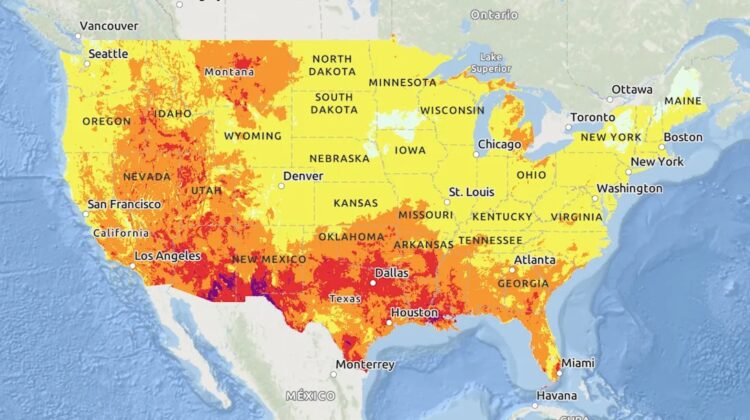
A relentless heat wave is sweeping across the western and southern United States, placing more than 39 million people under heat alerts as temperatures climb to life-threatening levels. Weather officials say the powerful “heat dome” responsible for days of extreme conditions has shifted west, where it is expected to strengthen further before expanding into additional states over the weekend.
In some of the hottest areas, temperatures have already reached an astonishing 119°F (48°C) for a second consecutive day. The highest readings were recorded near Topock, Arizona, along the California border, and Tecopa, California, in the Mojave Desert, according to the National Weather Service. Meteorologists warn that parts of the Southwest could continue to experience temperatures between 110°F and 120°F through early next week, with several locations approaching some of the hottest days ever recorded in their history.
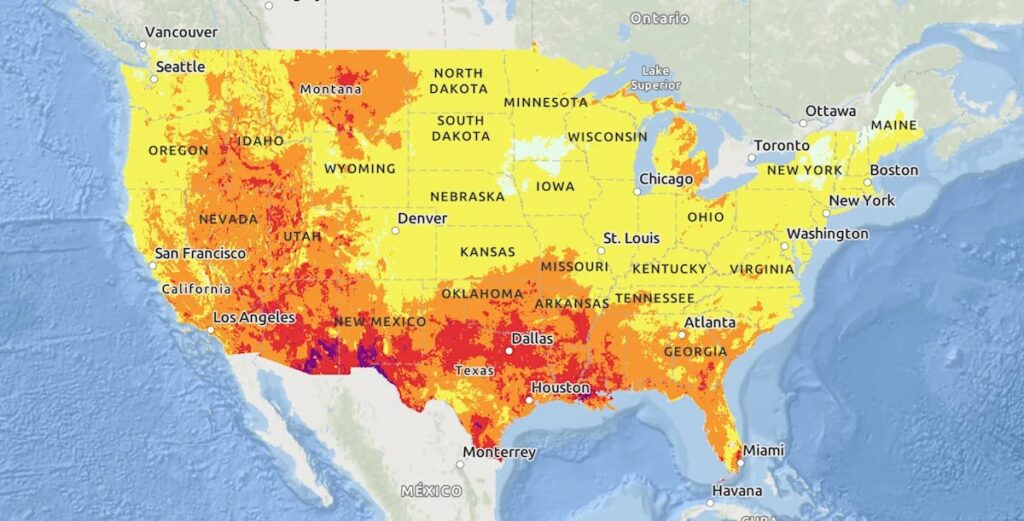
Extreme Heat Warnings remain in effect across parts of Arizona, California, Nevada, Utah, Oklahoma, and western Arkansas, including major population centers such as Phoenix, Tucson, and Las Vegas, along with popular destinations including Death Valley National Park, Joshua Tree National Park, Zion National Park, Capitol Reef National Park, and the Lake Powell region.
The danger is expected to continue even after sunset. Overnight temperatures are forecast to remain unusually high, offering little opportunity for people or infrastructure to cool down. In many desert communities, nighttime temperatures will stay above 80°F, while parts of the Gulf Coast may not fall below the upper 70s.
Forecasters also warn that humidity will make conditions even more dangerous. Heat index values — the “feels like” temperature — could reach 120°F in parts of southern Arizona and South Texas, significantly increasing the risk of heat exhaustion and heat stroke.
According to the National Weather Service’s HeatRisk system, millions of Americans are facing the highest category of heat danger, while tens of millions more remain under a major heat risk. Officials caution that prolonged exposure to these conditions can quickly become life-threatening, particularly for older adults, children, outdoor workers, and anyone without reliable access to air conditioning.

Residents are being urged to stay indoors whenever possible, drink plenty of water, avoid strenuous outdoor activities during the hottest hours of the day, wear lightweight clothing, and regularly check on vulnerable family members and neighbors. Anyone showing signs of heat-related illness should seek immediate medical attention.
Meteorologists say some relief may finally arrive next week as a strong cold front pushes across the eastern United States, bringing cooler temperatures and lower humidity to many areas. Until then, authorities continue to warn that the ongoing heat wave remains one of the most dangerous weather events of the summer.
Extreme heat can place enormous strain on the human body, increasing the risk of dehydration, heat exhaustion, heat stroke, and cardiovascular complications. Medical experts recommend maintaining proper hydration, using electrolyte-replacement drinks when appropriate, wearing breathable clothing, and ensuring homes remain adequately cooled during prolonged heat events. As climate patterns continue to produce more frequent periods of extreme weather, reliable cooling systems, home insulation, portable air conditioners, emergency weather alerts, health insurance, and preventive healthcare services are becoming increasingly important for protecting vulnerable families.
Leave a Reply