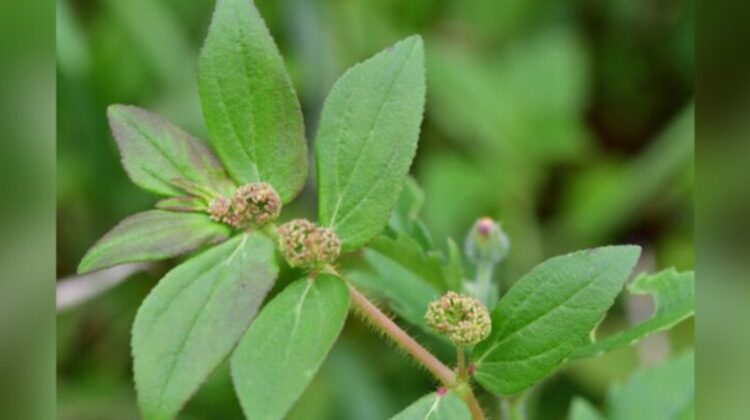
Euphorbia hirta, widely known as the “asthma-plant,” is a small hairy herb native to tropical America and now found across most tropical and subtropical regions worldwide, including Africa, India, Southeast Asia, and Australia, according to Wikipedia. It has a long history in traditional and Ayurvedic medicine for respiratory, digestive, and skin conditions, as documented in a widely cited review published in Pharmacognosy Reviews. This guide covers its traditional applications, common preparation methods, and important safety considerations — while being clear about where the science currently stands.
Respiratory Benefits
Euphorbia hirta is best known for its traditional use in asthma, bronchitis, and cough, per the Pharmacognosy Reviews summary. Traditionally, the leaves are brewed into a tea believed to help relax the bronchial muscles. A study on asthma and Euphorbia hirta’s anti-inflammatory properties examined its effects in an animal asthma model, but human clinical trials are still lacking.
Gastrointestinal Uses
The plant has traditionally been used for dysentery, diarrhea, digestive complaints, and intestinal parasites, as outlined in a review in the Pharmacognosy Journal. Some ethnopharmacological sources also note its traditional use for gastrointestinal spasms.
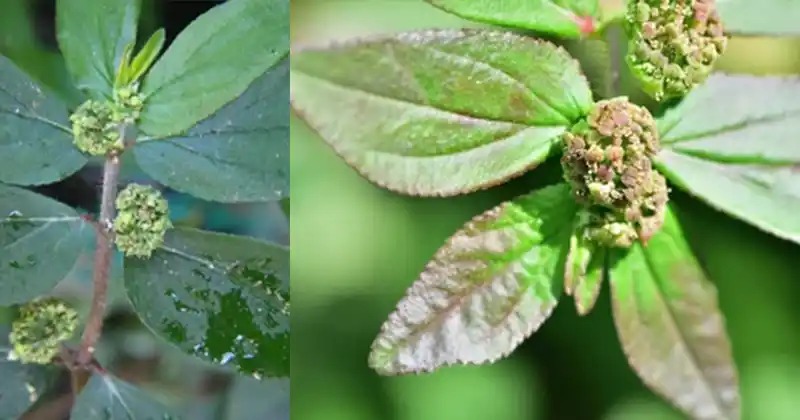
Dermatological Applications
Topically, pastes or infusions of the leaves have been applied to warts, ringworm, scabies, and minor skin infections, according to the same Pharmacognosy Journal review. The plant’s milky latex is mildly irritating, so it should never be applied near the eyes.
Antimicrobial and Anti-inflammatory Effects
Laboratory studies have identified antibacterial, antifungal, and anti-inflammatory activity in plant extracts, attributed to compounds like flavonoids, tannins, and triterpenes, per a 2025 phytochemical review. These findings come from lab and animal studies rather than confirmed human trials.
Antipyretic (Fever-Reducing) Use
In the Philippines, where the plant is called tawa-tawa, it’s a well-known folk remedy consumed as tea for fevers associated with dengue and malaria, as noted on Wikipedia.
Urinary and Other Traditional Uses
Traditional use also extends to urinary tract complaints. An older animal study published in the Journal of Ethnopharmacology found that leaf extracts increased urine output and electrolyte excretion in rats — a finding that hasn’t been confirmed in humans.
How It’s Traditionally Prepared
- Tea/decoction: fresh or dried leaves boiled a few minutes, then strained.
- Topical paste: leaves crushed and applied directly to the affected skin area.
Preparation amounts vary widely by region and aren’t standardized — a key reason clinical dosing hasn’t been established.
Safety and Precautions
Per the Pharmacognosy Reviews summary, the plant isn’t classified as highly toxic at typical folk-medicine doses, but its latex can irritate skin and eyes, and excessive ingestion may cause gastrointestinal upset. It should be avoided during pregnancy and breastfeeding without medical guidance, and anyone on existing medication should consult a healthcare professional before use. This article is educational, not medical advice.
Where to Find or Grow It
Euphorbia hirta grows as a common weed in disturbed soil, roadsides, and gardens in warm climates, and tolerates poor soil and drought. If you’re foraging or growing it for study rather than a manicured garden, a basic plant ID guide and a pair of gardening gloves (to avoid latex contact) are worth having on hand.
FAQ
Is Euphorbia hirta safe to use every day?
There’s no established safe long-term dosage for humans, so daily use isn’t recommended without professional guidance.
Can it actually cure asthma?
No. Traditional use and preliminary lab studies suggest anti-inflammatory effects, but it’s not a substitute for prescribed asthma medication.
Where does the name “asthma-plant” come from?
It reflects its long traditional use for respiratory ailments across cultures, not a confirmed medical cure.
Is it the same as “tawa-tawa” used for dengue in the Philippines?
Yes — tawa-tawa is the Filipino name for the same plant, used there specifically as a folk remedy during dengue fever.
Leave a Reply