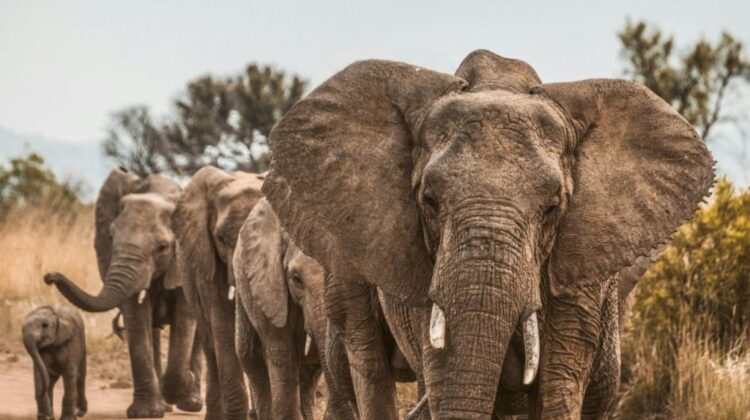
A suspected illegal hunting operation inside South Africa’s Kruger National Park ended with one man dead and another in police custody after the pair reportedly encountered a herd of elephants and fled in different directions.
The incident unfolded in the remote Pafuri area of the park, where rangers later tracked the missing man’s movements for approximately six kilometres before discovering his body.
South African National Parks (SANParks) says the circumstances surrounding the death remain under investigation.
Two Men Entered Kruger National Park Illegally
According to SANParks, rangers received information on September 12, 2026, about two suspected poachers who had allegedly entered Kruger National Park illegally through the Pafuri area the previous day.
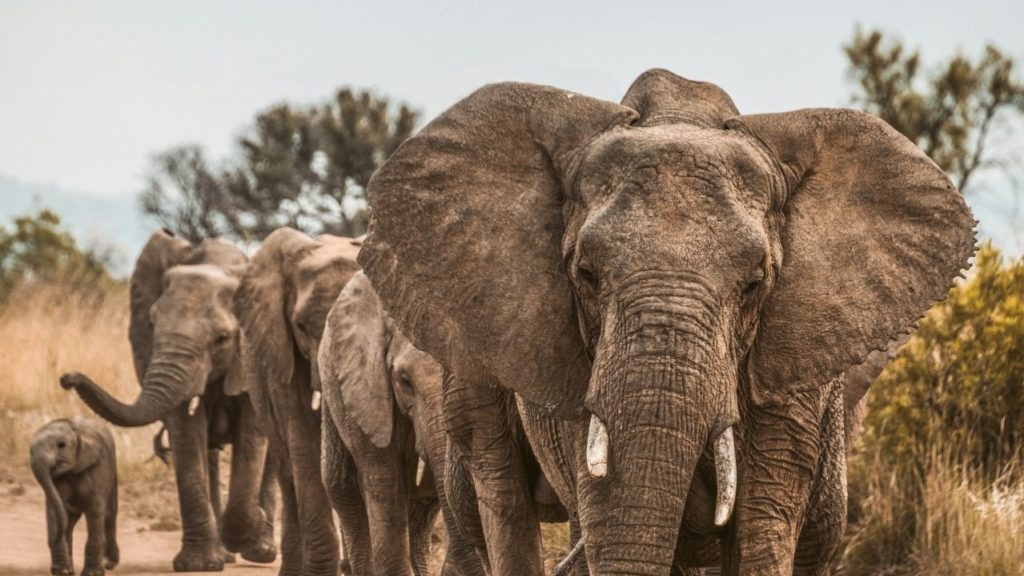
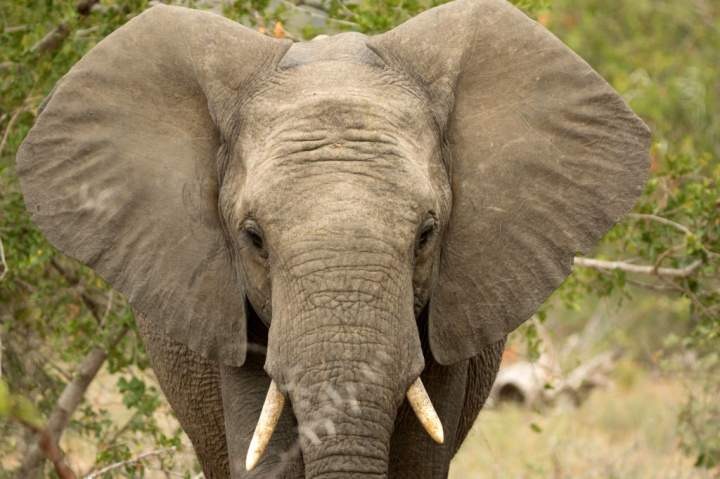
While inside the park, the two men encountered a herd of elephants.
The men reportedly fled in different directions and lost contact with each other.
One of them eventually made his way home and reported that his companion was missing. He also told authorities that he had heard his accomplice screaming during the incident.
Rangers Followed the Trail Into the Park
The incident was reported to the South African Police Service (SAPS), and the search for the missing man began with assistance from members of the local community.
The surviving suspect was subsequently arrested. According to SANParks, he admitted to participating in the unlawful entry and then accompanied rangers from the Pafuri Ranger Post toward the location where the encounter was believed to have occurred.
Rangers followed tracks from the Luvuvhu River for approximately six kilometres into the park.
There, they discovered the body of the missing man.
A Buffalo Carcass Was Also Found
The search uncovered another important clue.
Rangers discovered the remains of a buffalo that was believed to have been illegally hunted.
That finding adds weight to the authorities’ suspicion that the men were involved in illegal hunting, although the precise circumstances and extent of their activities remain subject to investigation.
Did the Elephants Kill the Man?
This is where the available evidence requires some caution.
The official SANParks account confirms that the two men encountered a herd of elephants and fled in different directions. It also confirms that one man was later found dead.
However, SANParks has not yet publicly established the exact cause of death. The South African Police Service is continuing the necessary investigative and forensic processes.
That means reports describing the death specifically as a confirmed elephant trampling should be treated as a reported interpretation rather than a conclusion established by the official investigation.
What About the White Rhino?
The original story frames the incident as an attempt to hunt a white rhino.
However, the official SANParks statement does not say that the men were attempting to kill a white rhino. It identifies them as suspected poachers and confirms that buffalo remains believed to have been illegally hunted were found during the search.
There is also no evidence in the official statement that the elephants deliberately charged the men to protect a rhino.
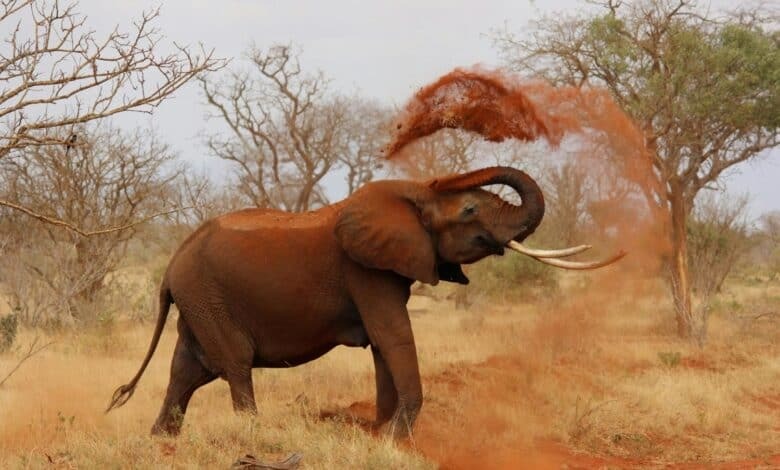
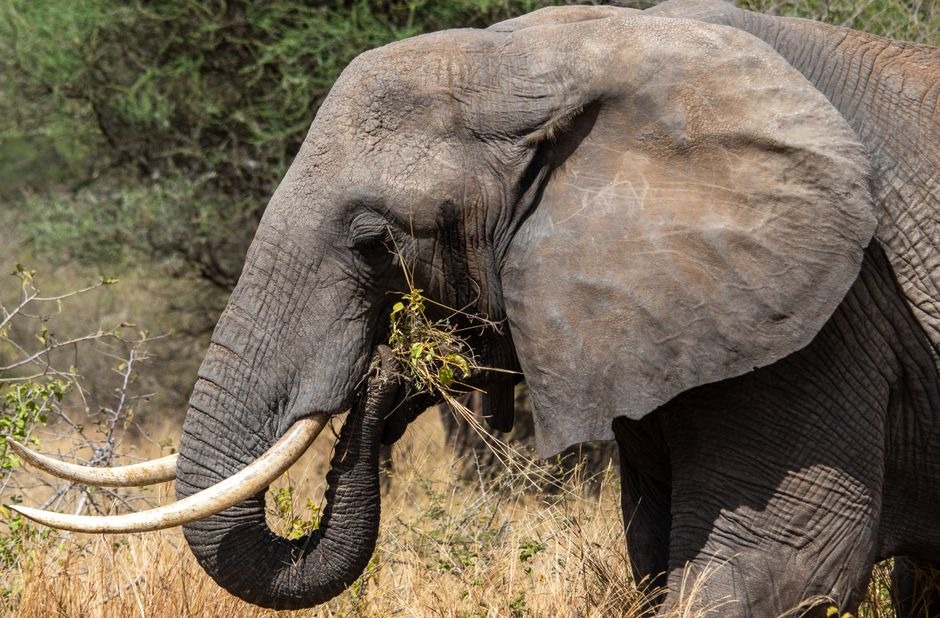
Elephants can react defensively when they encounter people, particularly when they feel threatened or surprised, but their motivation in this particular incident has not been established.
Why the Pafuri Area Can Be Dangerous
The Pafuri area lies in the northern part of Kruger National Park, a vast protected landscape containing hundreds of species of birds and numerous mammals.
SANParks lists 148 mammal species within Kruger, illustrating the scale and diversity of the wildlife found across the park.
For someone moving through the park illegally and on foot, an unexpected encounter with large wildlife can become extremely dangerous.
Unlike visitors traveling on designated roads, people entering remote areas unlawfully may have little warning before encountering animals at close range.
The Investigation Is Still Underway
The death is now being investigated by South African authorities.
SANParks has confirmed that SAPS has been informed and will continue the necessary investigative and forensic procedures.
Those procedures are expected to establish the exact circumstances surrounding the man’s death and clarify what happened during the encounter with the elephants.
For now, the confirmed sequence is stark: two men allegedly entered Kruger National Park illegally, encountered elephants, became separated, and one was later found dead approximately six kilometres inside the park.
The discovery of an illegally hunted buffalo carcass has also added another layer to the investigation.
Frequently Asked Questions
Where did the incident happen?
The incident occurred in the Pafuri area of Kruger National Park in South Africa.
What happened to the two suspected poachers?
The two men reportedly encountered a herd of elephants and fled in different directions. One returned home and reported his companion missing, while the other was later found dead inside the park.
Was the man confirmed to have been killed by elephants?
The official SANParks statement does not establish the exact cause of death. Police and forensic investigations are continuing.
Was a rhino being hunted?
That claim appears in some reports, but the official SANParks statement does not confirm that the men were hunting a white rhino. It does confirm that rangers found the remains of a buffalo believed to have been illegally hunted.
Was anyone arrested?
Yes. With assistance from the local community, one suspect was arrested after returning home and reporting that his accomplice was missing.
What did rangers find during the search?
Rangers followed tracks for approximately six kilometres from the Luvuvhu River and found the missing man’s body. They also discovered the remains of a buffalo believed to have been illegally hunted.
What happens next?
The South African Police Service will continue the investigative and forensic processes to establish the circumstances and cause of death.
Source: South African National Parks (SANParks), September 13, 2026, with recent media reports used for comparison. The article deliberately distinguishes confirmed facts from claims that remain unverified.
Leave a Reply