How did they get there?
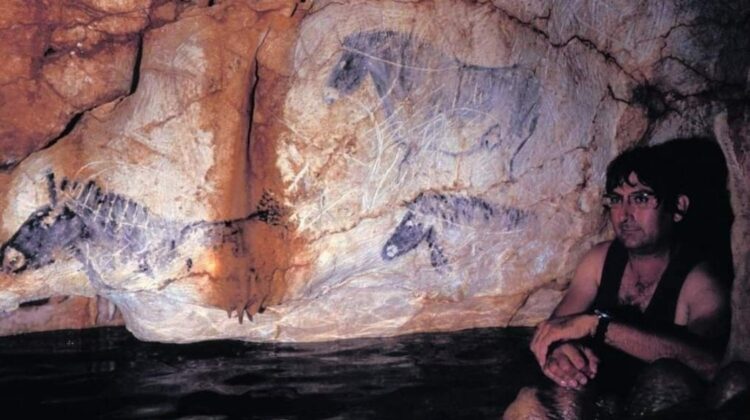
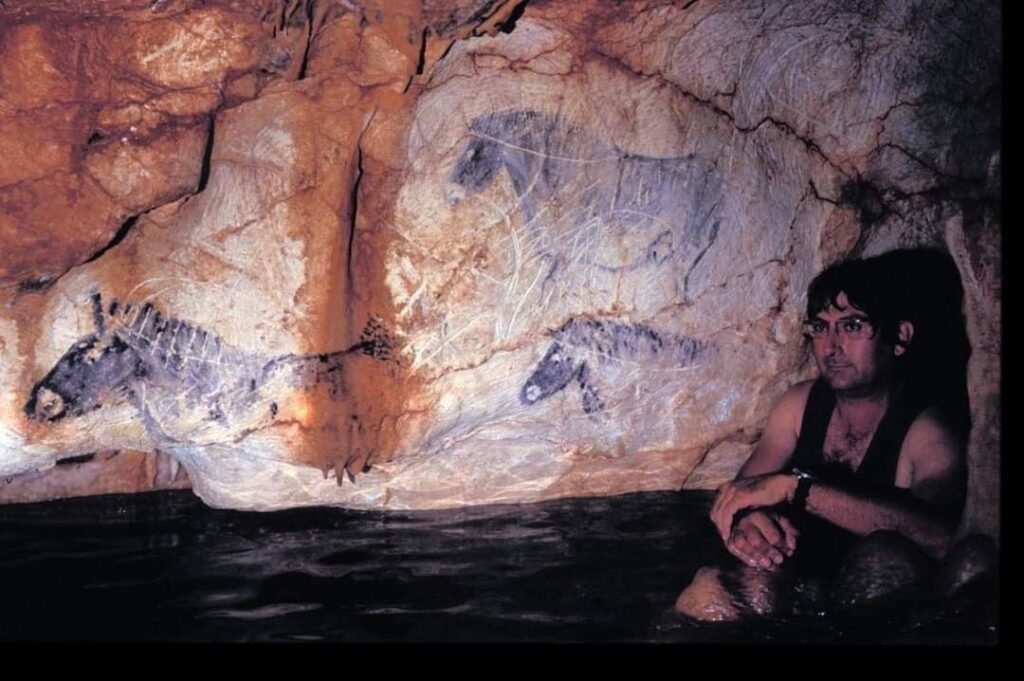
Cosquer cave, a hidden treasure trove of prehistoric art, stands as a testament to the perseverance of ancient artists and the enigmatic forces of nature. It boasts a breathtaking collection of over 150 meticulously crafted animal depictions, etched and painted across its labyrinthine walls. Yet, what sets Cosquer cave apart from all others is its single, unfathomable entrance nestled deep beneath the ocean’s surface. The intriguing tale of how these ancient artworks found their way into this submerged sanctum leaves us with questions and wonderment.
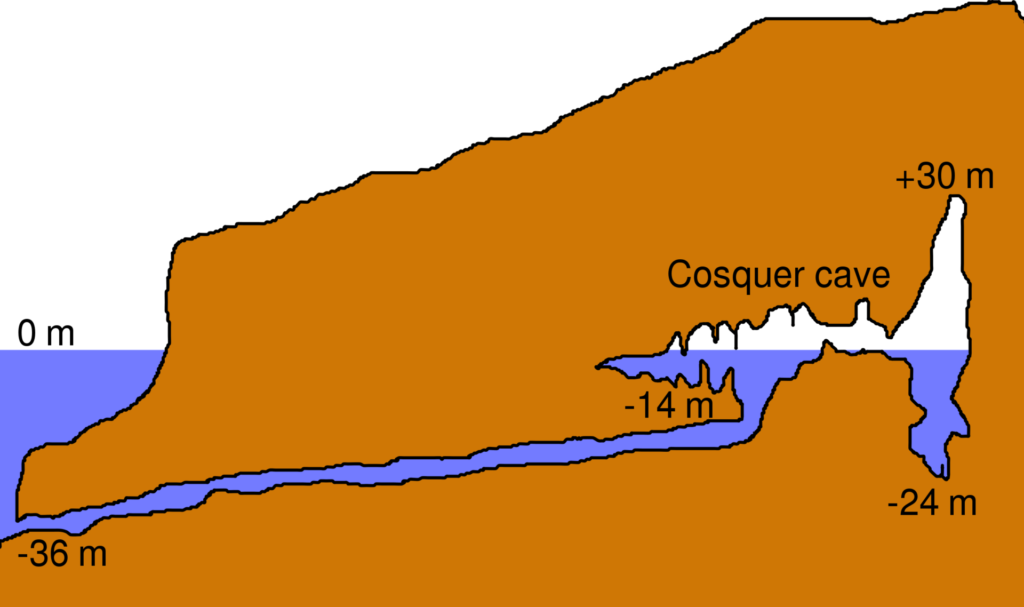
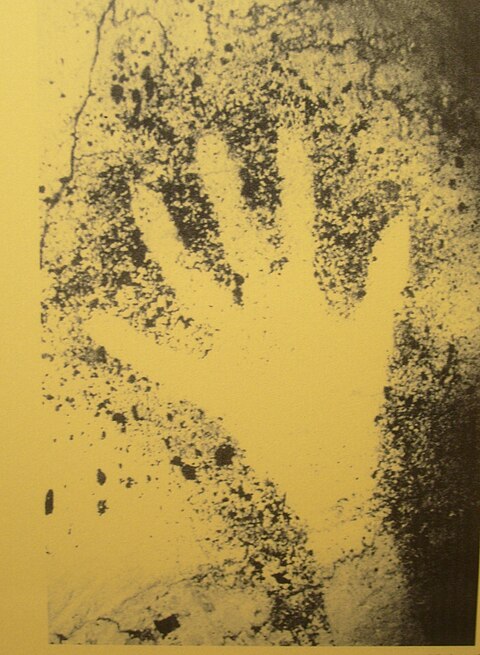
Nestled in the picturesque coastal city of Marseille, France, Cosquer cave’s existence remained shrouded in obscurity for centuries, primarily due to its cryptic and impractical entrance. It wasn’t until the intrepid diver Henri Cosquer chanced upon this concealed marvel that its secrets began to surface. The entrance, concealed beneath a daunting 36 meters (115 feet) of seawater, posed a challenge that would take numerous attempts to conquer. It wasn’t until 1991 that the first glimmer of the cave’s treasure came to light when an outline of a human hand emerged in parts that had managed to elude complete submersion.
Cosquer cave, aside from its alluring paintings, gained notoriety due to a tragic incident involving three divers who lost their way within its labyrinthine passages. This unfortunate event prompted Henri Cosquer to hand over the cave’s management to the government, further emphasizing its mystical allure.
The entrance to Cosquer cave begins a surreal underwater journey. Divers must navigate a vast, sloping gallery, ascending towards a cavernous chamber. Astonishingly, the top of this chamber rises above the waterline, serving as a guardian that protects the art within from the relentless erosion caused by the sea.
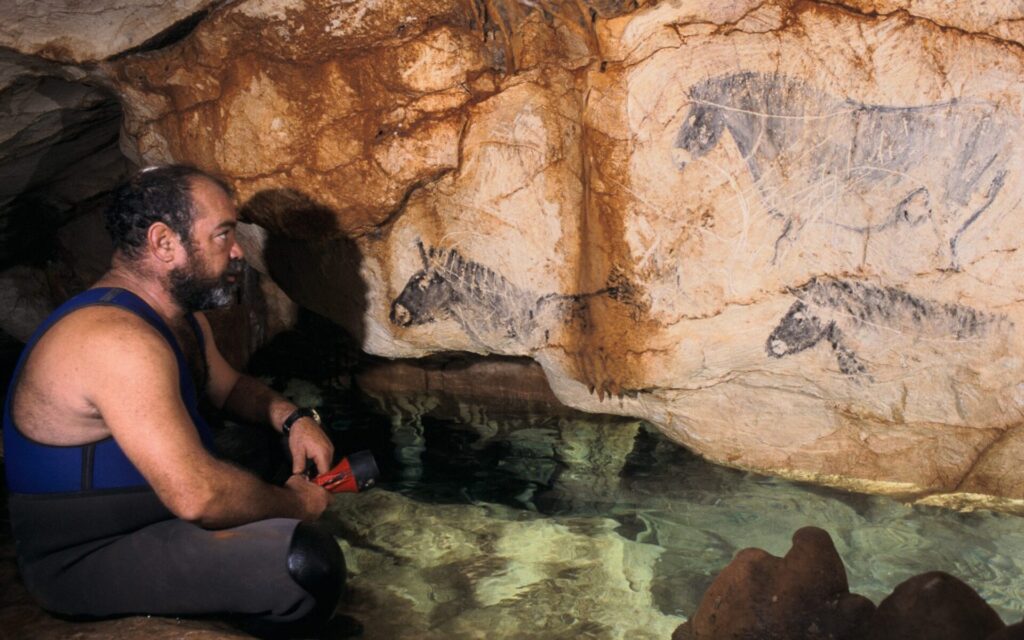
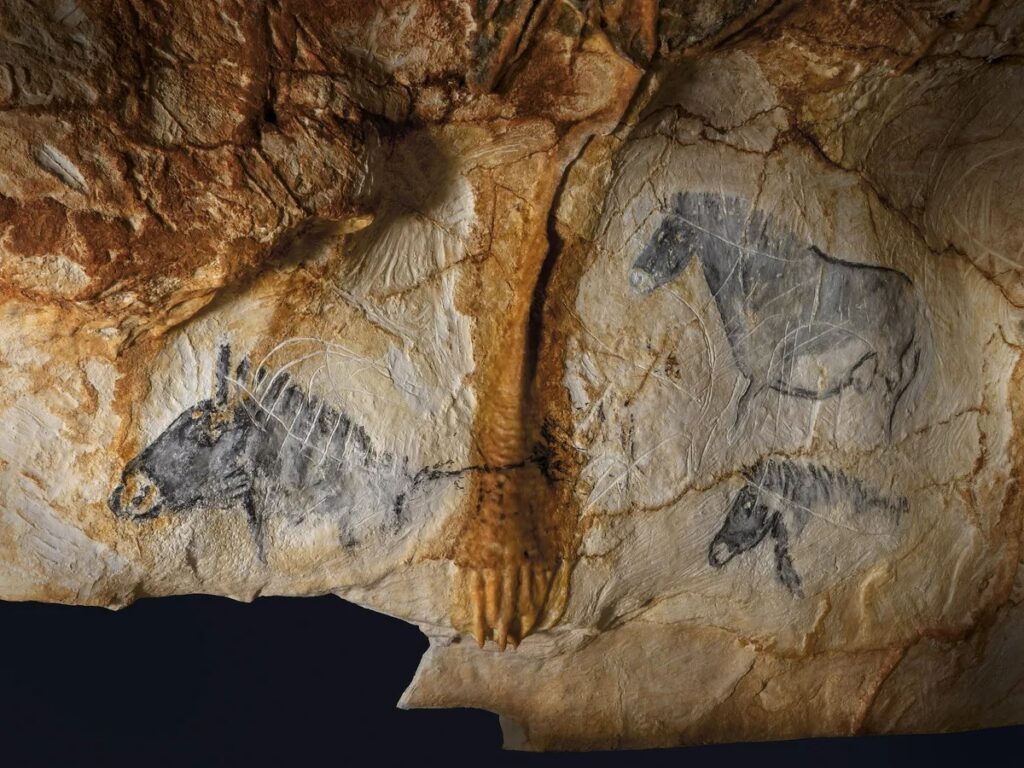
Once inside, a captivating tapestry of hand stencils, animal imagery, and meticulously carved marks adorns the cave’s walls, turning it into an invaluable archaeological treasure trove. The depictions of animals offer a glimpse into the prehistoric fauna that once shared their world with these ancient artists. Intriguingly, among the rich array of artwork, there is a remarkable preponderance of ibex, accompanied by depictions of horses and seals. In a recent expedition by the Bradshaw Foundation, researchers identified an astounding 177 different animals belonging to 11 distinct species, a rarity in the art of this era.
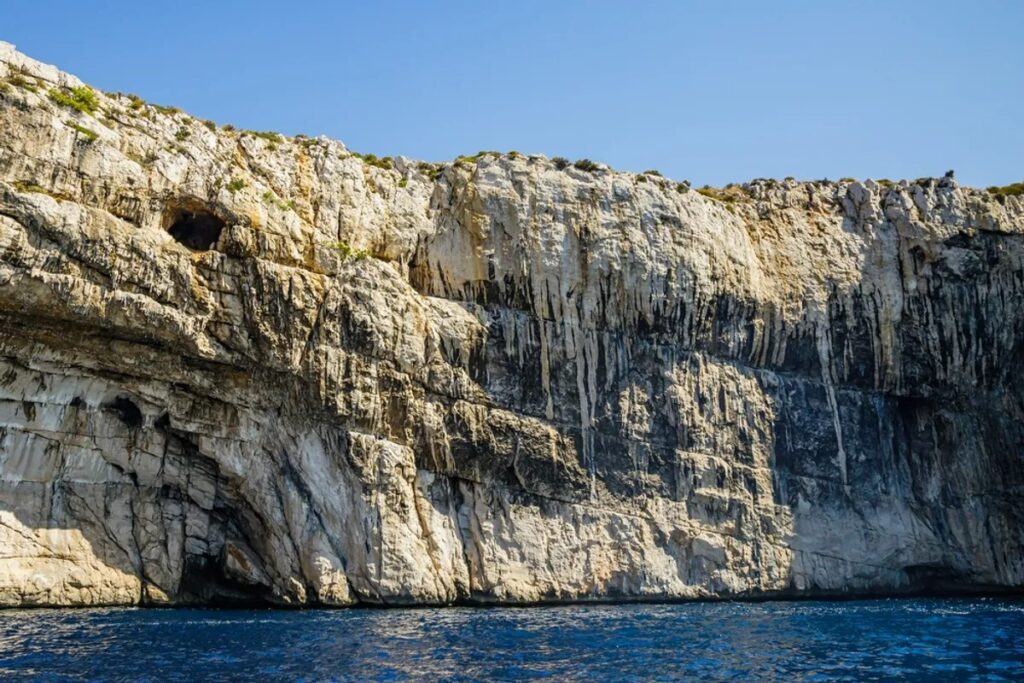
Had Cosquer cave remained above water, preserving its timeless artistry from the ravages of time, it would undeniably rank among the most significant Palaeolithic cave art sites on Earth.
But how did this cave art find its way into such an inaccessible realm? Radiocarbon dating places the creation of these artworks between 27,000 and 19,000 years BP (Before Present). During this period, the sea level was significantly lower than it is today. The cave’s entrance stood proudly, some 100 meters (330 feet) above the sea level, far from the relentless advance of the Mediterranean. However, the inexorable rise of the sea subsequently engulfed the cave entrance, concealing its beauty beneath the waves.
The discovery of art within Cosquer cave piques our curiosity, particularly given the absence of known Palaeolithic art in the Marseille region. This anomaly raises questions about ancient human migrations and their artistic expressions. It also tantalizingly suggests that other submerged coastal caves along this stretch may harbor undiscovered treasures or, tragically, art lost to the relentless tides of time.
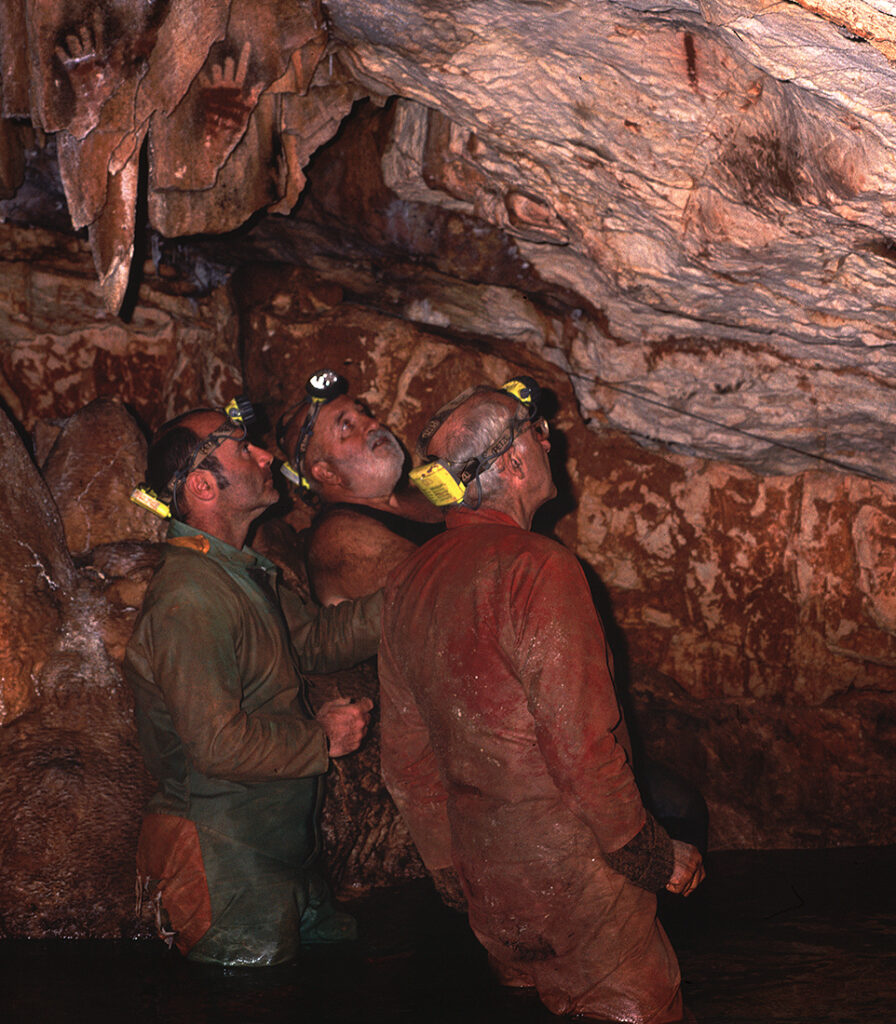
Cosquer cave stands as a testament to the enduring connection between humanity and art, defying the challenges posed by nature’s relentless march. Its submerged entrance guards the secrets of ancient artists, reminding us that beneath the surface of our modern world lies a profound and enduring link to our distant past, waiting to be discovered and admired.
Leave a Reply