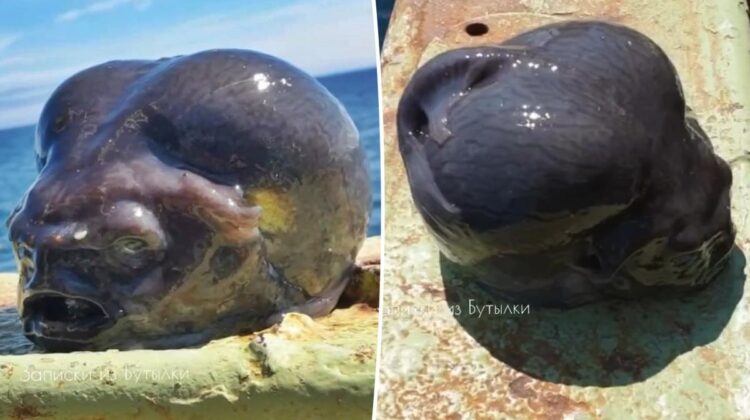
Roman Fedortsov has built a following of more than 600,000 people by doing one simple thing: showing the internet what actually comes up in a trawling net from the deep sea. His latest catch may be his most viral yet — a bloated, gray creature with an unmistakably “alien” face that had commenters only half-joking about extraterrestrial visitors.
Meet the Real Sea Monster
Fedortsov, a Russian trawlerman based in Murmansk who fishes the Barents Sea and North Pacific, identified the animal as a smooth lumpsucker (Aptocyclus ventricosus), also known as a smooth lumpfish — a deep-sea species that can grow to over a foot long. Footage of the fish resting on his boat’s railing quickly drew comparisons on Instagram to Megamind, the extraterrestrials from Mars Attacks, and Krang from the Teenage Mutant Ninja Turtles.
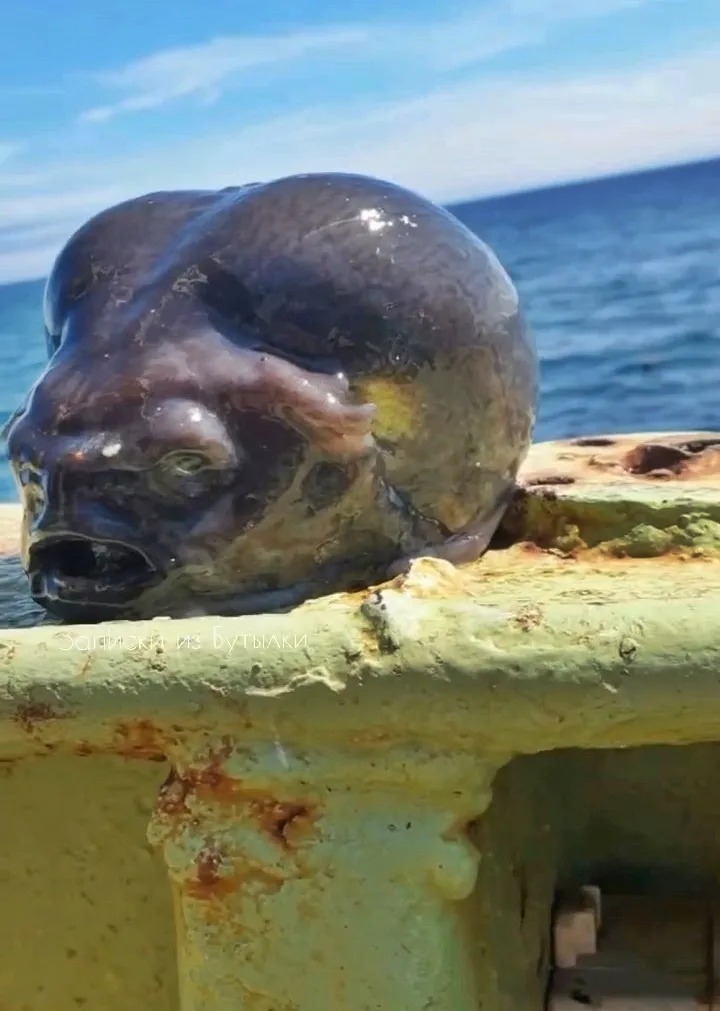
“That is 100% an alien,” one commenter wrote. Another asked, “Fished in Chernobyl?” A third, more protectively, urged: “Ok we saw it now put it back.”
The Real Explanation for Its Bloated Look — Which Isn’t What You’d Expect
This is where the story gets genuinely interesting from a biology standpoint, and where most coverage of Fedortsov’s catch got the science wrong. The common explanation — that the fish puffed up due to barotrauma, when a fish’s swim bladder rapidly expands from pressure changes during a fast ascent — was directly disputed by Ralf Britz, Head of the Ichthyology Section at Germany’s Senckenberg Society for Natural Research.
“When their swim bladder expands rapidly, fish can often puff up unnaturally and look very strange,” Britz explained. “However, this is not the case for this fish because Aptocyclus ventricosus does not have a swim bladder.” Smooth lumpsuckers naturally have high water content in their tissues and round, bulbous bodies as a baseline feature of the species — meaning the “alien” look wasn’t primarily a swelling injury from being caught at all, but closer to the fish’s normal anatomy.
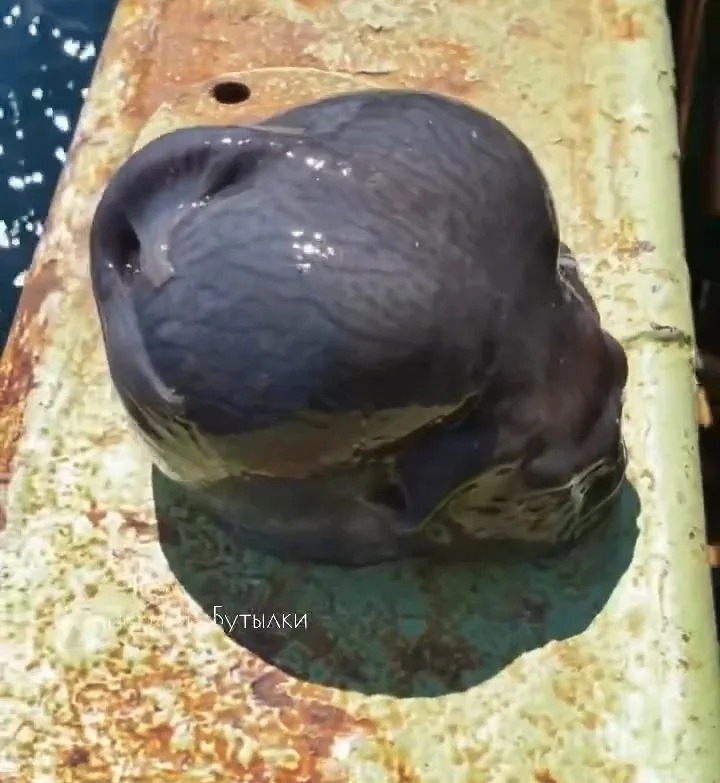
Britz also identified the specific individual as a mature female, noting that in this species, “the smaller male protects the eggs until they hatch,” and that a mature female’s ovaries “can account for 40% of body mass” — a detail that may explain some of the animal’s particularly rounded appearance in this case.
Not Fedortsov’s First Viral Catch
This is far from an isolated moment for Fedortsov. His Instagram feed has become something of an ongoing catalog of deep-sea oddities — a toothy wolffish, assorted spindly-legged crustaceans, and any number of creatures most people will never otherwise see outside a nature documentary. Despite his photos regularly unsettling viewers, Fedortsov has said he doesn’t share the “ugly monster” framing many commenters apply: “In their own way, all of these creatures are beautiful,” he’s said of his catches.
Why Deep-Sea Fish Look So Unfamiliar
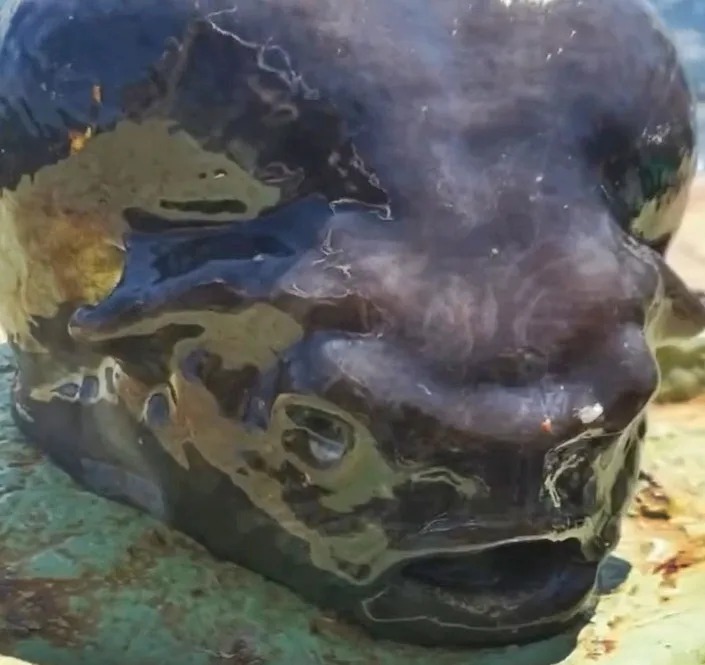
Smooth lumpsuckers spend most of their lives in cold, deep waters of the North Pacific, using a specialized suction disc (adapted from their pelvic fins) to anchor themselves to rocks against strong currents rather than actively swimming against them constantly. Traits like high water content, gelatinous tissue, and rounded, low-density bodies are common adaptations among deep-sea species generally, helping them manage the extreme pressure of their environment — which is part of why so many deep-sea fish strike people on the surface as looking distinctly “alien” in the first place.

Frequently Asked Questions
Was the fish actually harmed or injured when it was caught? The bloated appearance is largely the species’ natural body shape rather than injury-related swelling, since smooth lumpsuckers lack the swim bladder that causes barotrauma-related bloating in many other fish species.
Are smooth lumpsuckers dangerous to humans? No — they pose no threat to people and are not venomous or aggressive; their unsettling appearance is purely a matter of unfamiliar deep-sea anatomy.
Where do smooth lumpsuckers typically live? They’re found in cold, deep waters of the North Pacific, where they use a suction disc formed from modified pelvic fins to anchor themselves to rocks in strong currents.
Sources: New York Post, AOL (via Senckenberg Society ichthyologist Ralf Britz), and Fox News, cited above.
Leave a Reply