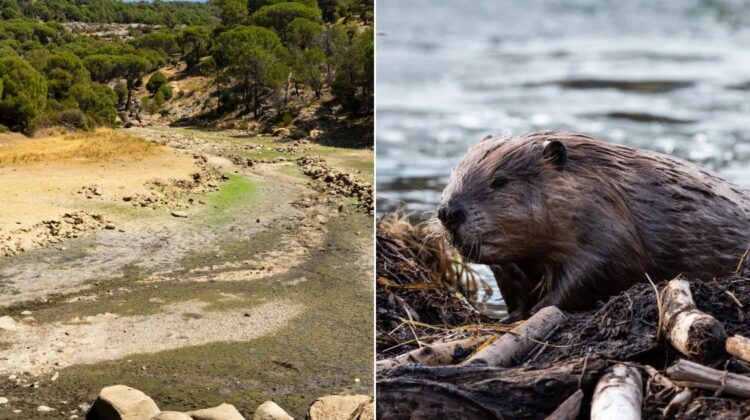
Rivers in the desert West live on a knife’s edge. Drought, overuse, and decades of human alteration have pushed many tributaries of the Colorado River Basin toward collapse, stranding fish and leaving banks vulnerable to wildfire. In 2019, a team of Utah researchers tried something simple: let beavers do the restoration work.
The Idea Behind the Experiment
The Utah State University Beaver Translocation Study, a partnership involving USU, the USGS Utah Cooperative Fish and Wildlife Research Unit, and several federal and state agencies, set out to test whether relocated beavers could help rebuild degraded desert rivers. Master’s student Emma Doden helped lead the fieldwork on central Utah’s Price and San Rafael Rivers.
The beavers came from an unlikely pool: animals labeled “nuisance” because they were flooding roads, clogging culverts, or otherwise clashing with people. Instead of being killed, they were rehomed, often after time at USU’s beaver rehabilitation center in Millville, and released along the target rivers.
Why Beavers?
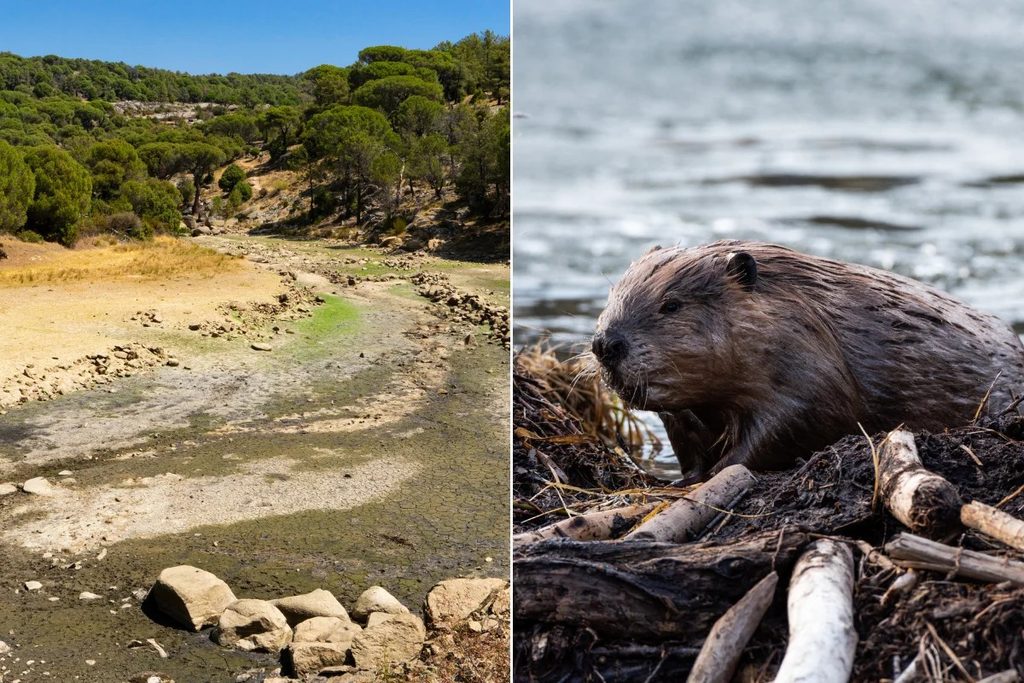
Beaver dams slow moving water and spread it across the landscape, creating ponds and wetlands. In a drought, those pools can be lifelines. Fish and other aquatic life shelter there while stretches of open channel dry out, and the wetter ground can also slow the spread of wildfire. It is why biologists call beavers a keystone species, one with an outsized influence on everything around it.
What Actually Happened
The results were mixed, and the researchers have said so plainly. Of the roughly 47 beavers relocated, a number died or left the release area. Others stayed put. Doden told the BBC that a few beavers remained exactly where the team placed them, while some traveled about 12 miles downstream and were probably still helping a badly degraded river.
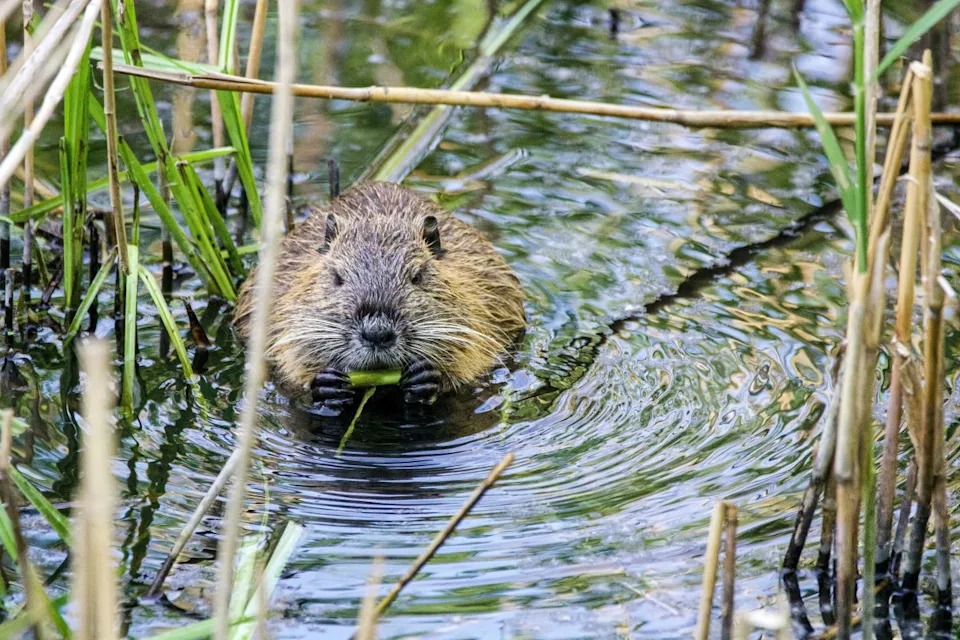
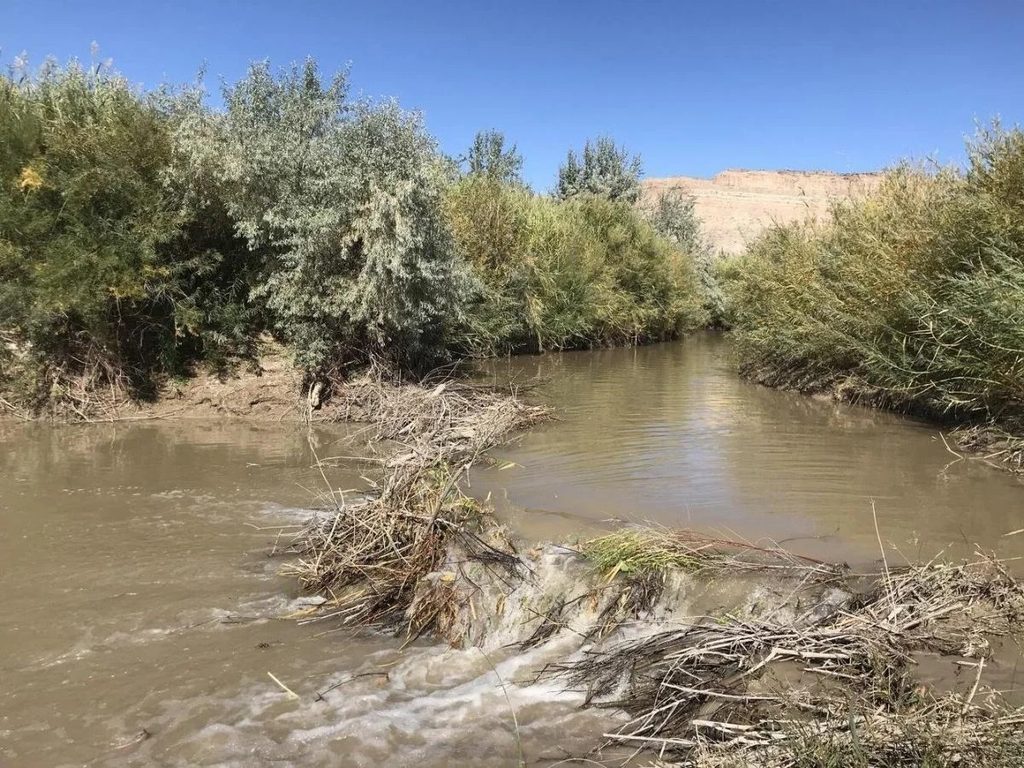
The important finding is the net effect. By 2023, project scientist Julie Young told The Wildlife Society that researchers were counting more dams than before the study began, and some beavers had reinforced older, human-built “beaver dam analogs.” In parts of the San Rafael River, KUER reported that streamside habitat increased by 230% along one stretch after beavers moved in and the river was allowed to flood naturally.
A Town Feels the Difference
The change has been most visible on the Price River in Helper, Utah. A 2025 Salt Lake Tribune column said the river’s recovery “helped save our Utah town,” describing a waterfront now busy with kayakers, tubers, and anglers, something that would have been hard to imagine a decade earlier.
Beavers weren’t acting alone. Federal cleanup investments removed debris and obsolete dams, and tighter grazing rules helped vegetation recover along the banks. Even so, researchers point to the beavers’ engineering as a major part of the recovery, and similar projects, including man-made dams designed to invite beavers back, are now underway on other Utah rivers.
A Comeback Story
The turnaround is remarkable given the species’ history. Beavers were trapped to near extinction during the fur trade and long afterward were treated as pests. Conservation programs have helped their populations rebound, and land managers increasingly see them as low-cost partners in restoring damaged watersheds.
Frequently Asked Questions
Can beavers really live in the desert?
Yes, when there is enough water and streamside vegetation. The Utah project showed that relocated beavers can survive and build dams in arid river systems, though not every animal stays or survives.
Did beavers alone save the Price River?
No. Debris removal, dam removal, and changes to grazing also played a role. The beavers were one important piece of a broader restoration effort.
Why are beavers called a keystone species?
Their dams create wetlands that shelter fish, birds, insects, and mammals, so their presence changes the entire ecosystem far beyond what their size would suggest.
What happens to beavers that are labeled nuisance animals?
Often they are killed. Translocation programs like the one in Utah offer an alternative by moving them to places where their dam-building is useful rather than problematic.
Sources: Utah State University Beaver Translocation Study and the Wildlife Management Institute’s Outdoor News Bulletin (Doden, Budy, and Young); BBC; The Wildlife Society; The Salt Lake Tribune; KUER.
Leave a Reply