Scientists have described around 2 million species, yet new and little-known animals keep turning up, especially in the oceans and tropical forests. Here are 25 oddities worth getting to know.
Animals 1–5: Bugs, Birds and a Frilly Lizard
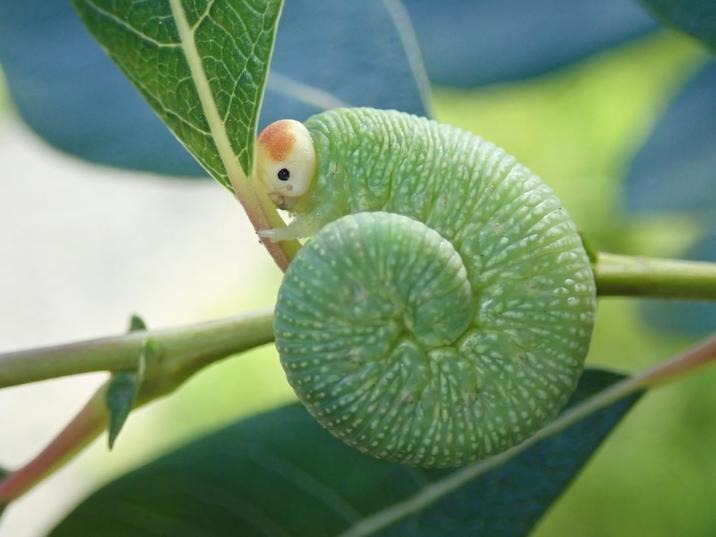
1. Giant birch sawfly. Despite looking like a wasp, this large sawfly (about 17–23 mm) has no sting. Its larvae feed only on birch leaves and look like pale blue-green caterpillars up to 45 mm long.
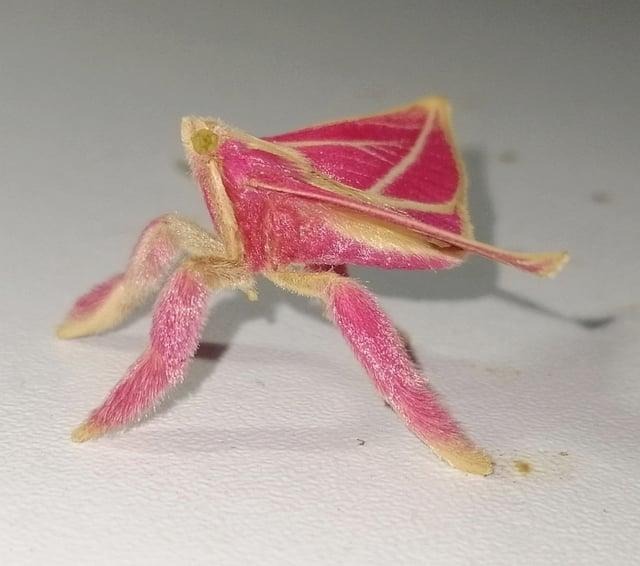
2. Pink snout moth. Snout moths get their name from long mouthparts that stick out like a snout. Some are colored in striking shades of pink.
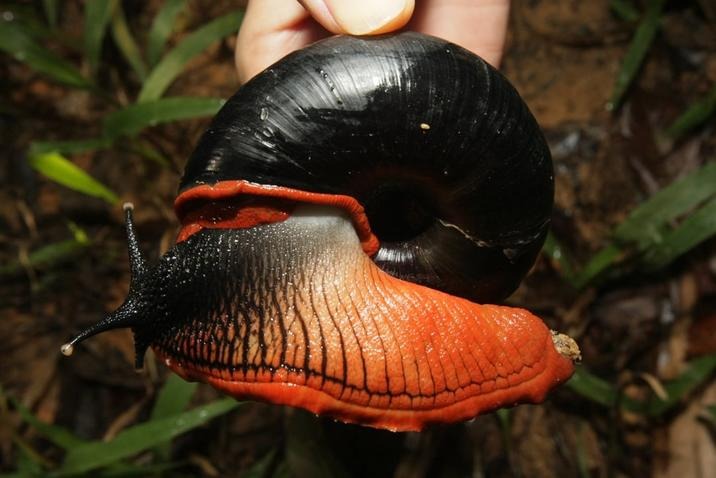
3. Fire snail in Malaysia. Brightly colored tropical snails use vivid shells to stand out in the damp forest undergrowth, and Malaysia is home to a rich variety of land snails.
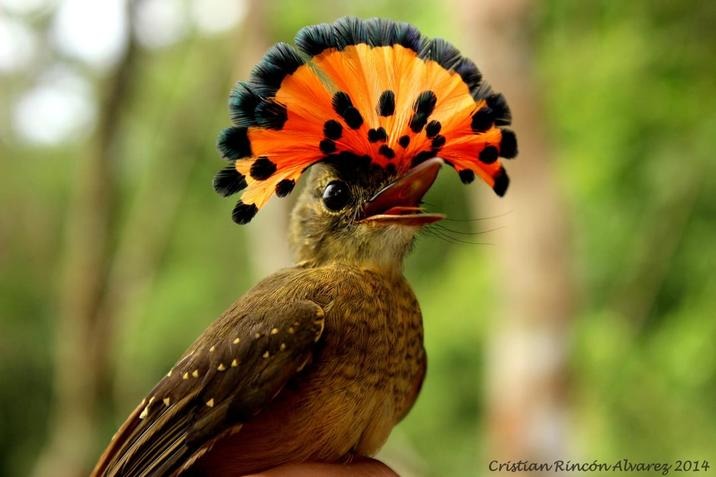
4. Tropical royal flycatcher. This Latin American bird can fan out a dramatic crest, though it only does so in rare displays.
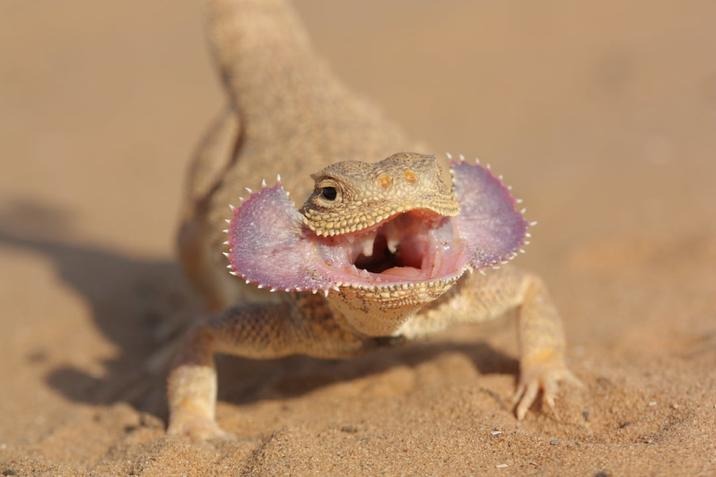
5. Secret toadhead agama. This desert lizard has frills around its mouth that it flares to look bigger when threatened.
Animals 6–10: Reef Dwellers and a Smiling Dolphin
6. Feather star crab. Some small crabs live among feather stars, relatives of starfish, and use their host’s colors for camouflage.
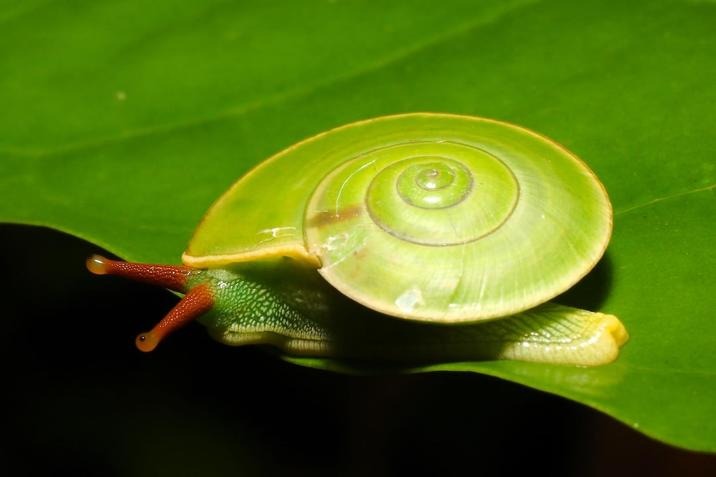
7. Green snail. Some land snails have shells in vivid shades of green, which help them blend in among leaves.
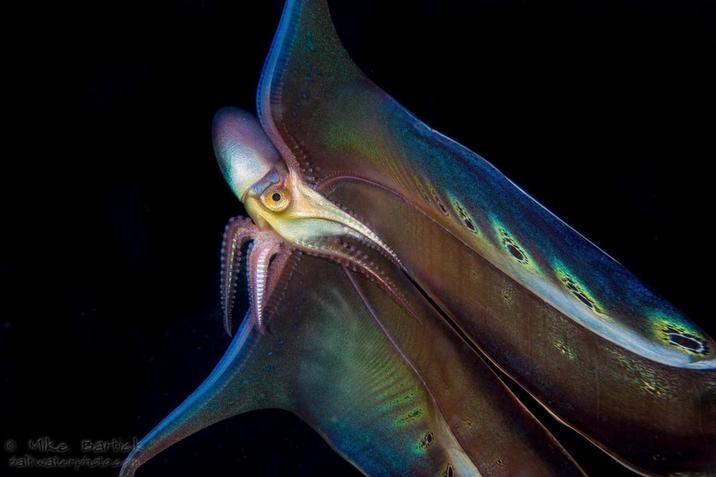
8. Indo-Pacific violet blanket octopus. The female can be roughly 2 meters long, while the male is only a few centimeters, one of the largest size gaps in the animal kingdom.
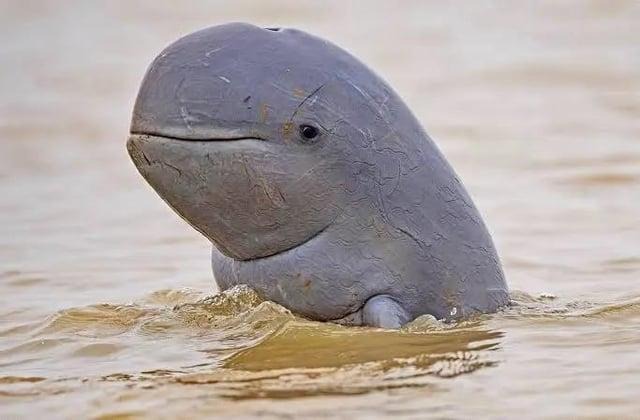
9. Irrawaddy dolphin. With a rounded head and no beak, this dolphin lives in coastal waters and rivers in South and Southeast Asia. Several river populations are at risk.
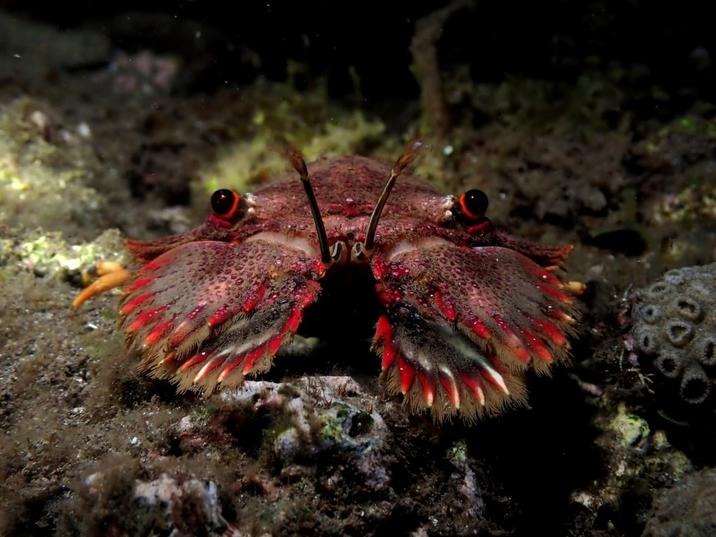
10. Red-spotted mitten lobster. Parribacus holthuisi is a flat, clawless lobster found in shallow reefs of French Polynesia and the Cook Islands, up to about 14 cm.
Animals 11–15: Snails, Slugs and a Fire-Colored Fish
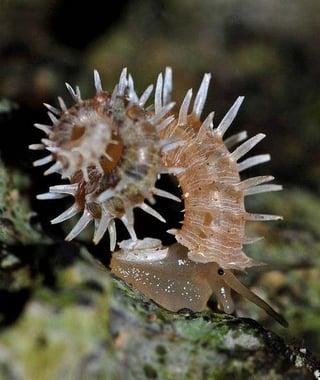
11. Blaesospira echinus. A tiny land snail with a lid-like operculum, it belongs to the family Pomatiidae and is documented in Cuba.
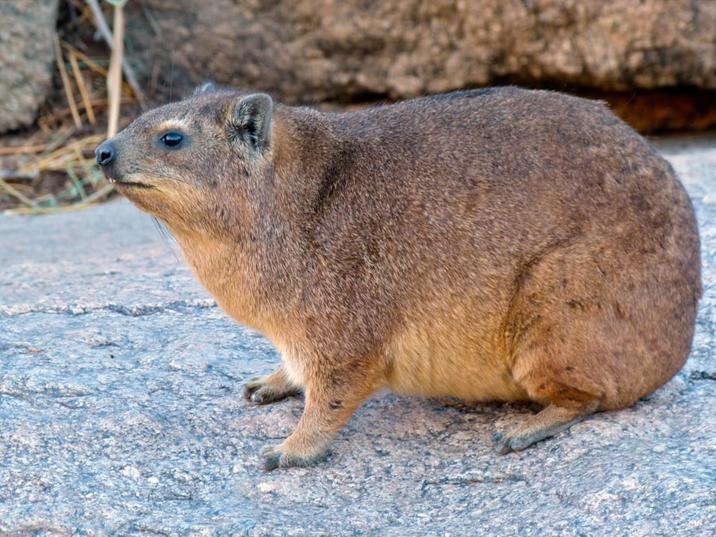
12. Rock hyrax. Though it looks like a big guinea pig, its closest living relatives are elephants and manatees.
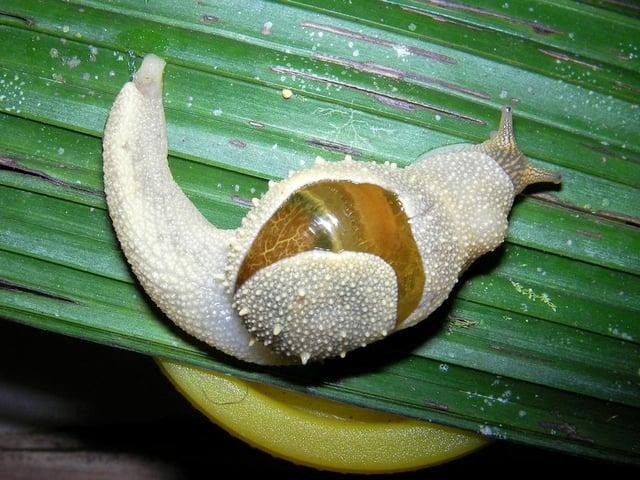
13. Semi-slug. Semi-slugs are slug-like snails whose shells are too small to hide in, and they cling to the back of the animal.
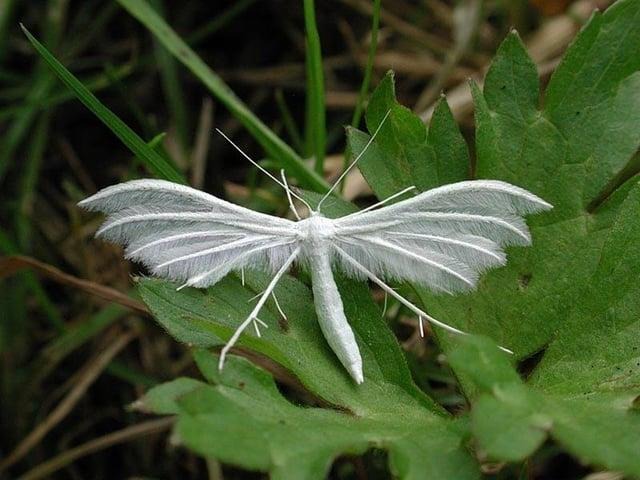
14. The plume moth. Plume moths have wings split into feathery fingers, so they look like tiny flying feathers when at rest.
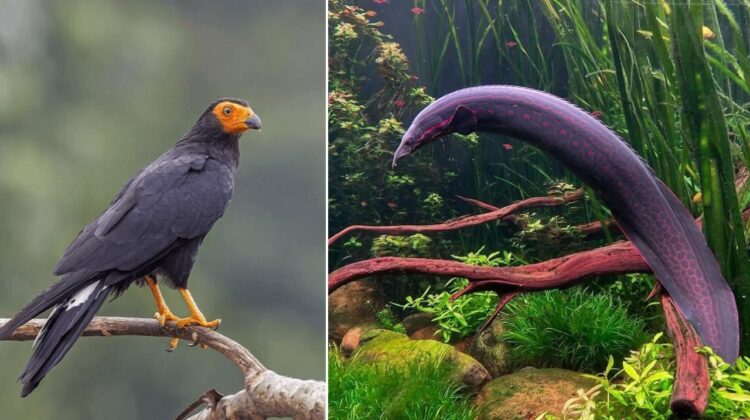
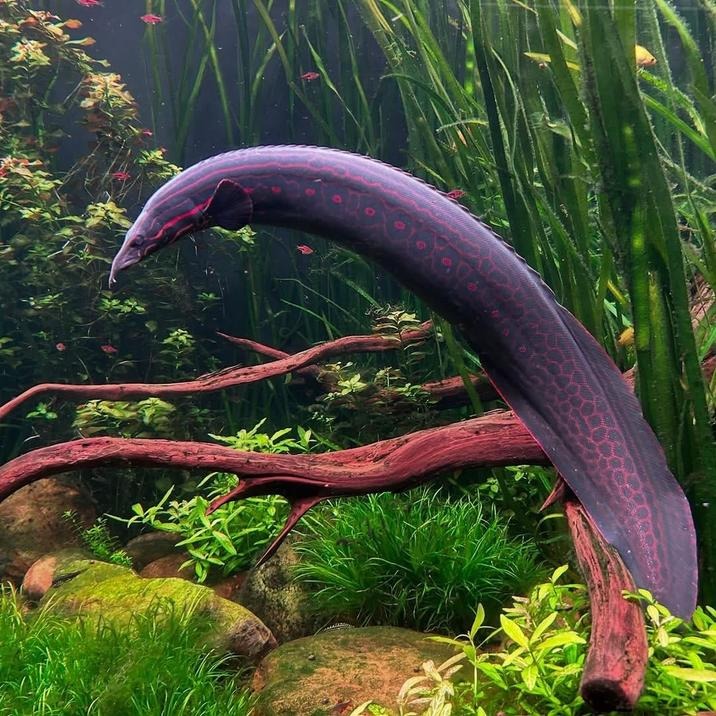
15. Fire eel. Not a true eel but a spiny eel from Southeast Asia, this fish has red-orange markings and is popular in aquariums.
Animals 16–20: Green Shells, Vultures and Spiders That Hunt Spiders
16. Helicinia viridis. A small snail with a glossy green shell and yellow lip, found in the Dominican Republic.
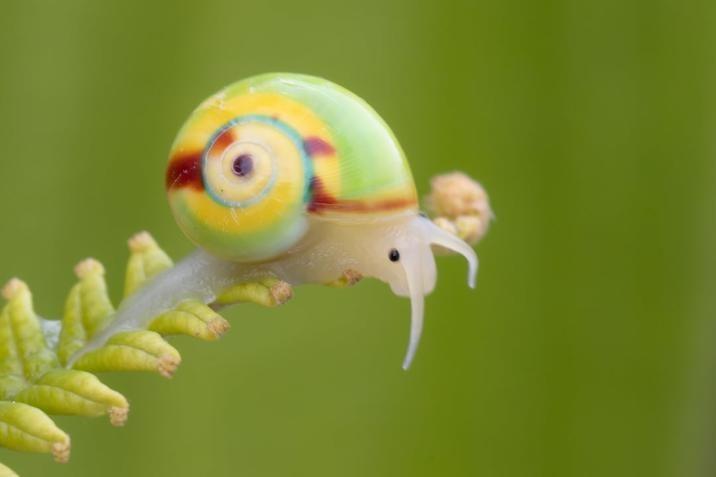
17. Himalayan griffon vulture. One of the largest vultures, with wingspans of roughly 3 meters, it soars over high mountain ranges.
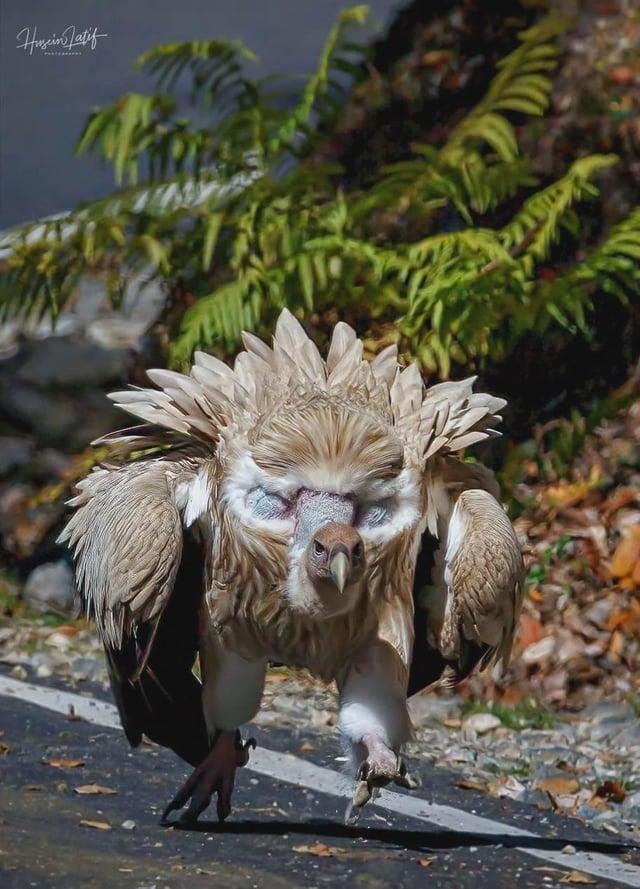
18. Evans sea spider. Sea spiders are marine animals with tiny bodies and long legs, and parts of their organs extend into the legs.
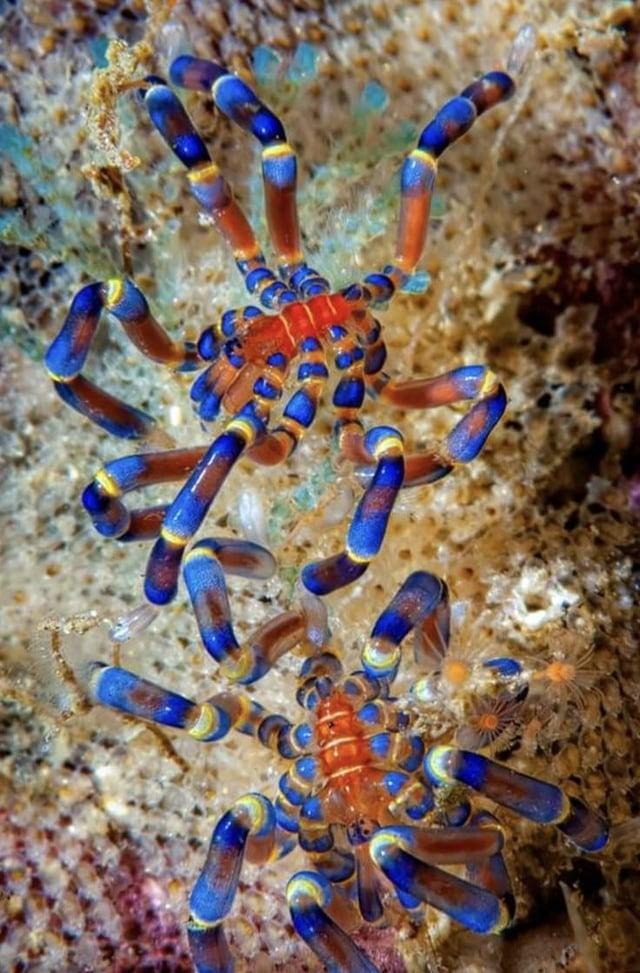
19. Pelican or assassin spider. Found in Madagascar, these spiders have long necks and jaws, which they use to hunt other spiders. Relatives of the group are also known from fossils.
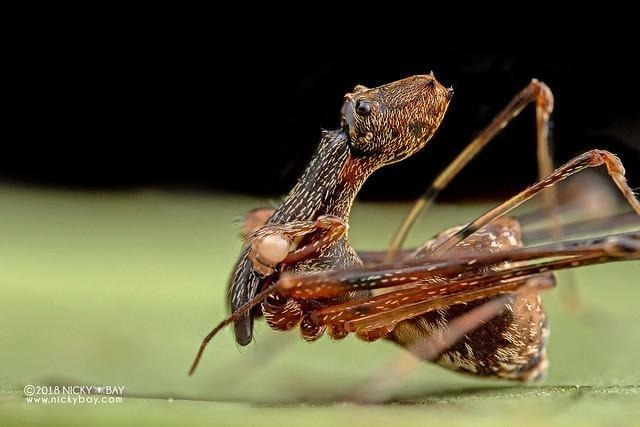
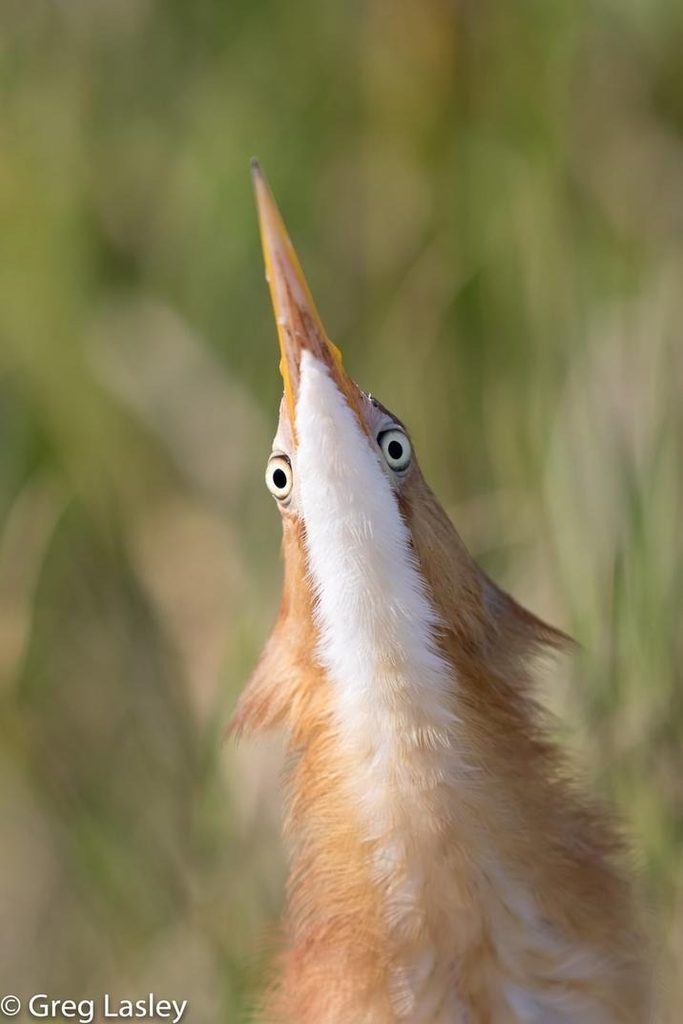
20. Least bittern. Among the smallest herons in the Americas, it hides in marsh reeds.
Animals 21–25: Falcons, Mantises and a Short-Lived Marsupial
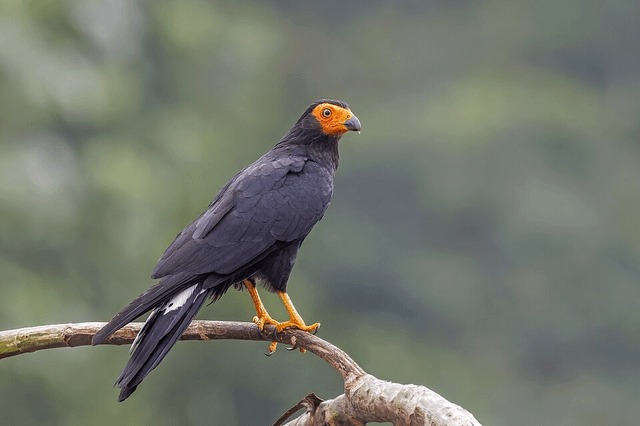
21. Daptrius ater, the black caracara. A black falcon relative from the Amazon with a bare orange-red face, it scavenges and eats fruit and insects.
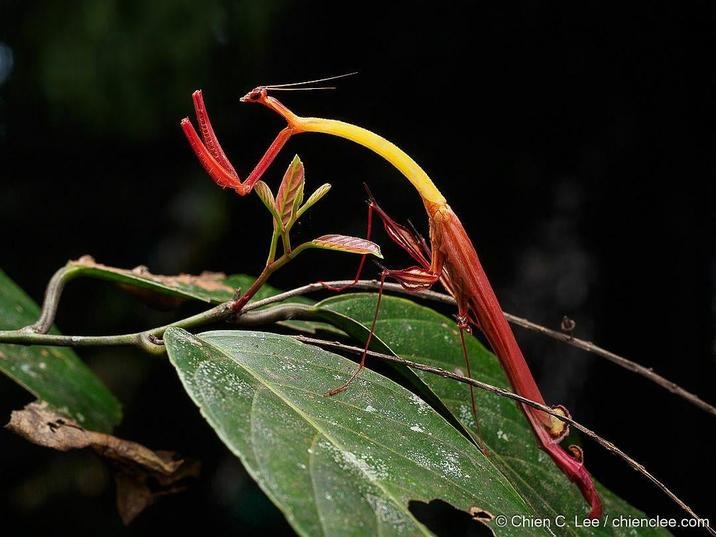
22. Toxodera integrifolia. This large Southeast Asian praying mantis is a master of camouflage, standing still until prey wanders within reach.
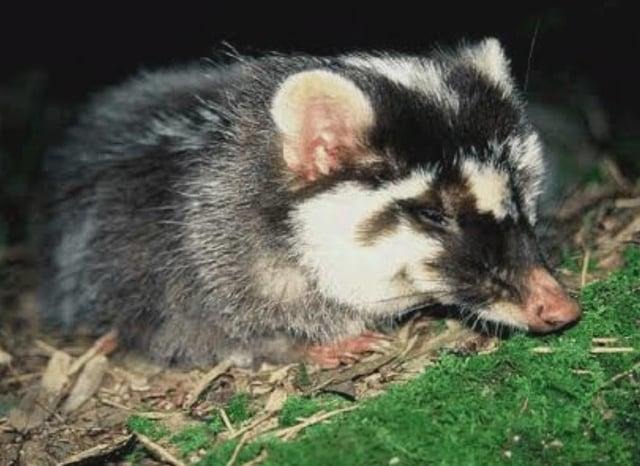
23. Bornean ferret badger. A small, nocturnal carnivore found only on the island of Borneo.
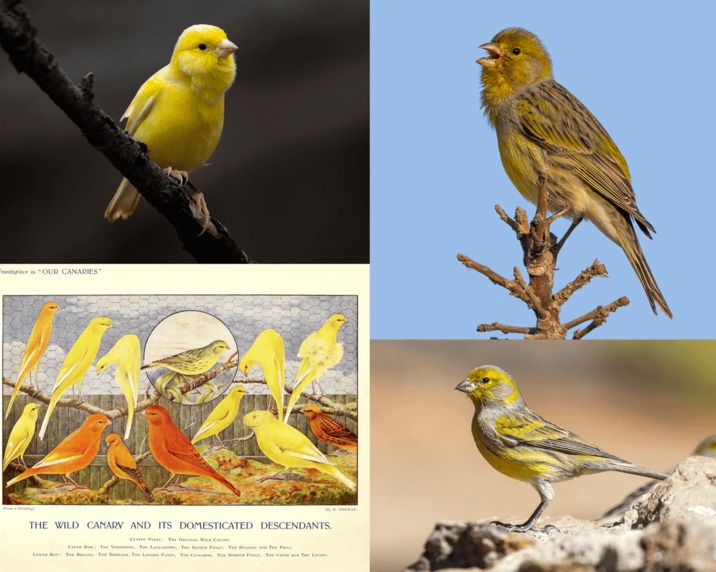
24. The island canary. The wild ancestor of the pet canary, native to the Canary Islands, Madeira and the Azores.
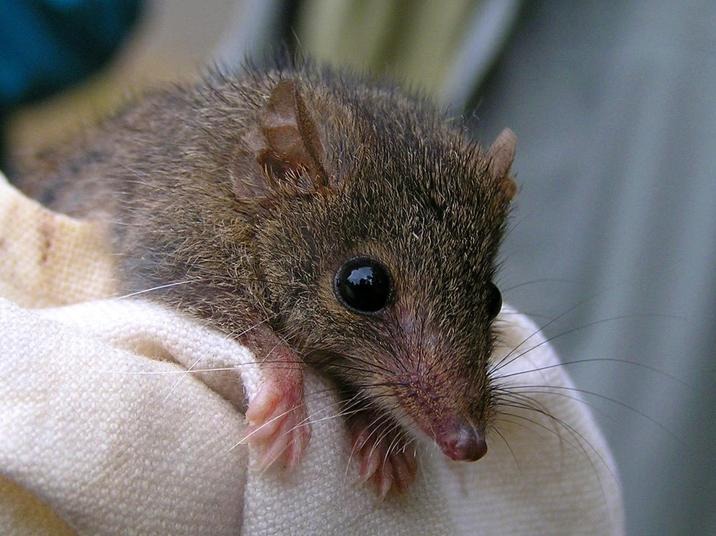
25. Antechinus. These small Australian marsupials have a frantic breeding season, after which males die.
Take Your Curiosity Outdoors
If this list sparked your inner naturalist, a few tools can help:
- Buy a field guide. Compare wildlife field guides and insect identification books.
- Upgrade your gear. Good binoculars and a macro camera lens reveal tiny creatures.
- Visit in person. Compare zoo memberships and wildlife tours, and buy travel insurance for trips abroad.
- Set up an aquarium. Aquarium kits and fish tank supplies make it easy to keep fish like the fire eel.
Frequently Asked Questions
Are all of these animals rare? Not all of them. Some, such as the rock hyrax and least bittern, are widespread, but they’re unfamiliar to most people.
Which animal has the biggest size difference between males and females? The violet blanket octopus, where females are far larger than males, is one of the most extreme cases.
What is an operculum? It’s a hard, lid-like plate that some snails use to seal their shells.
What is the island canary? It’s the wild canary of the Canary Islands, Madeira and the Azores, and the ancestor of the pet canary.
Sources: NatureSpot, SeaLifeBase, Cook Islands Biodiversity & Natural Heritage, and Wikipedia, all covering the biology and distribution of lesser-known animals including the birch sawfly, red-spotted mitten lobster, Helicina viridis and Blaesospira echinus.
Leave a Reply