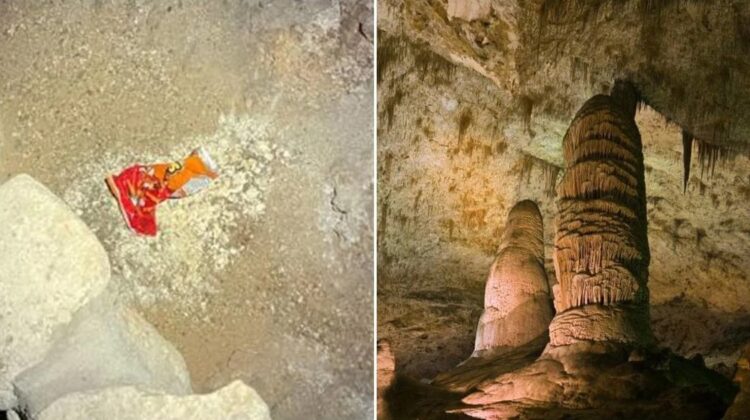
A dropped snack bag doesn’t sound like an ecological emergency. But in the damp, sealed-off world of Carlsbad Caverns, it was enough to spark a mold outbreak and a temporary food web.
Found During an End-of-Day Sweep
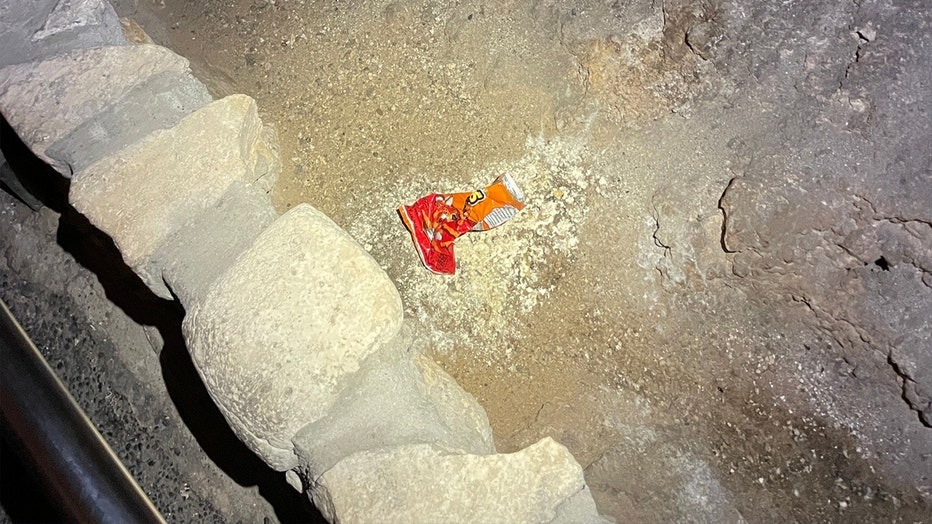
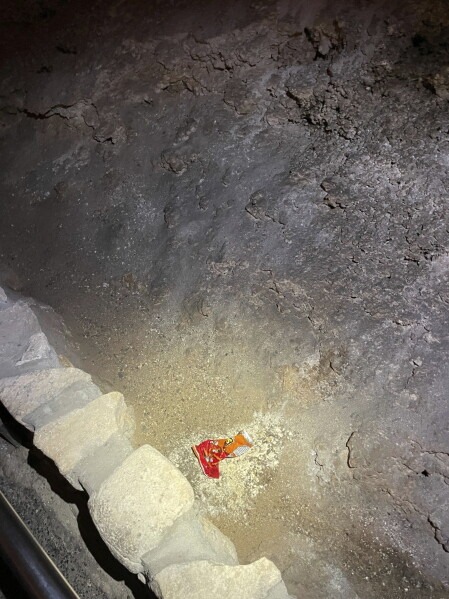
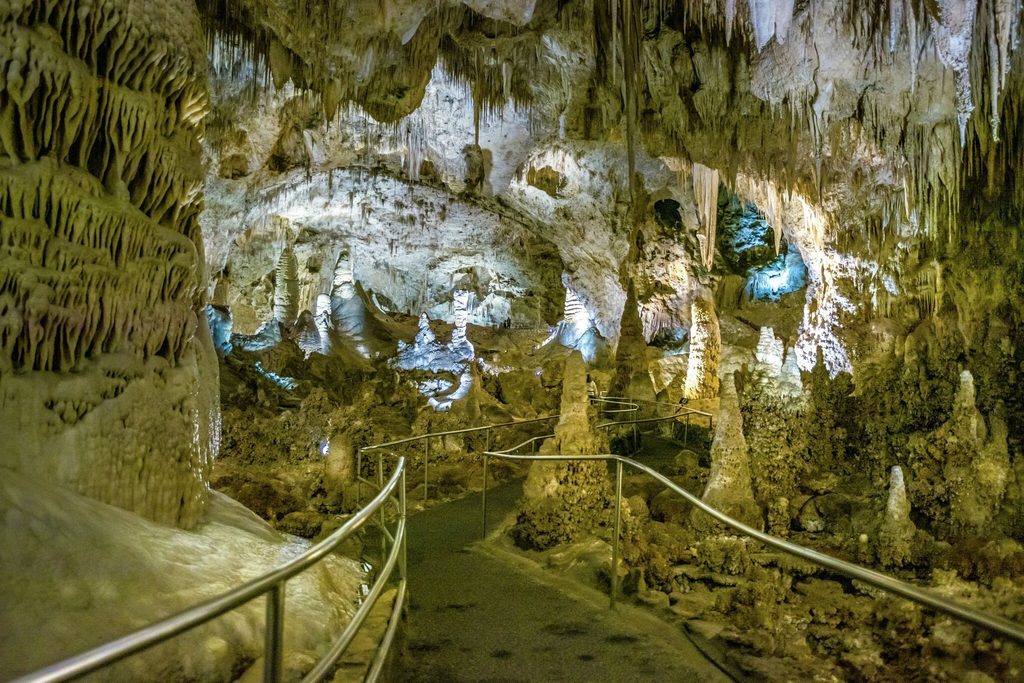
A ranger spotted the bright orange bag off the trail during one of the regular end-of-day checks of the Big Room, the largest single cave chamber by volume in North America. The bag was full, and park staff say it had been dropped by a visitor. The park’s rules allow only unflavored water in the caves.
From Snack to Ecosystem
Carlsbad Caverns National Park explained what happened in a Facebook post on September 6. The cave’s humidity softened the processed corn, which created what the park called the perfect environment for microbial life and fungi.
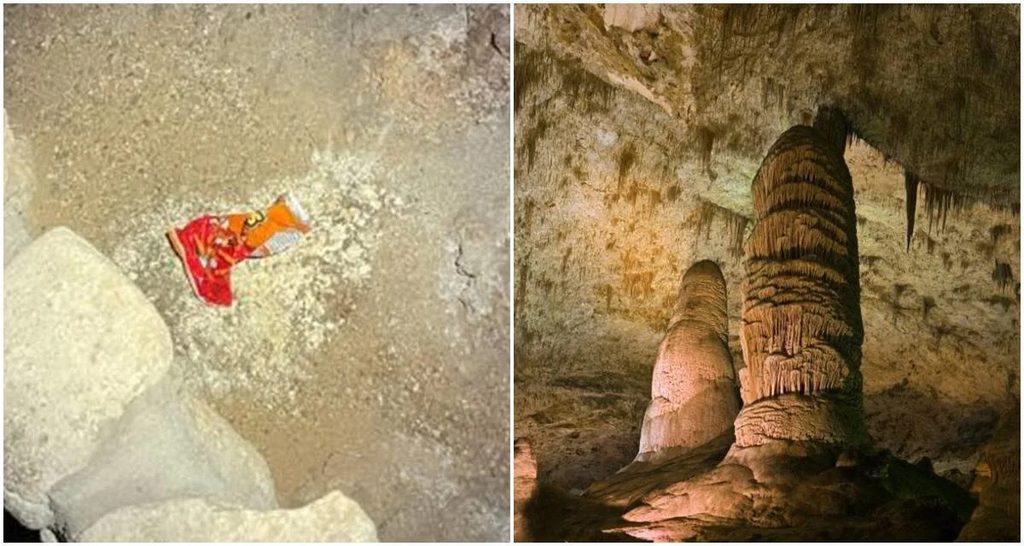
Cave crickets, mites, spiders and flies then moved in and formed a temporary food web, spreading nutrients and mold to surrounding formations. The molds crept higher up nearby surfaces, fruited, died and stank, and the cycle repeated.
The park noted that although some of the organisms were cave dwellers, many of the microbes and molds were not native to the cave.
A Careful Cleanup
Rangers carefully removed the bag and its contents, then used a toothbrush to scrub the rings of mold and fungi that had spread across the formations. The park says the cleanup took around 20 minutes.
“World Changing” for a Cave
The park used the episode as a teaching moment. It said that every visitor leaves some trace, such as the fine trail of lint that every step in the cave leaves behind, and volunteers regularly comb the caverns to collect lint. Some effects can’t be avoided, it said, but others, like a dropped snack bag, can.
“At the scale of human perspective, a spilled snack bag may seem trivial, but to the life of the cave it can be world changing,” the park wrote. It added that the visitor who dropped the bag likely saw the impact as incidental.
Why Caves Are So Fragile
Caves are closed ecosystems with limited food, so even a small amount of outside material can change what lives there. Carlsbad Caverns receives roughly 500,000 visitors a year, which makes small habits matter. The National Park Service says its parks see hundreds of millions of visits a year and generate tens of millions of tons of waste, most of it properly disposed of.
Visit Carlsbad Caverns the Right Way
If you’d like to see the caverns, here’s how to plan a trip that leaves no trace:
- Plan your visit. Compare Carlsbad Caverns tickets, guided cave tours and New Mexico travel packages.
- Buy a park pass. An America the Beautiful pass covers entry to national parks and federal recreation sites.
- Pack smart. A reusable water bottle, sturdy hiking shoes and a small trash bag help you leave no trace.
- Protect your trip. Travel insurance covers cancellations and emergencies.
Frequently Asked Questions
Where did this happen? In the Big Room of Carlsbad Caverns National Park in southeastern New Mexico.
What happened to the Cheetos bag? Humidity softened the snack, mold grew, and insects and spiders spread it before rangers cleaned it up with a toothbrush.
How long did the cleanup take? About 20 minutes.
Can you bring food into the cave? No. The park’s rules allow only unflavored water.
Sources: National Park Service, Encyclopædia Britannica, NBC Bay Area, and KRQE, all covering the Cheetos bag discovered at Carlsbad Caverns National Park and the ecological effects described by park officials.
Leave a Reply