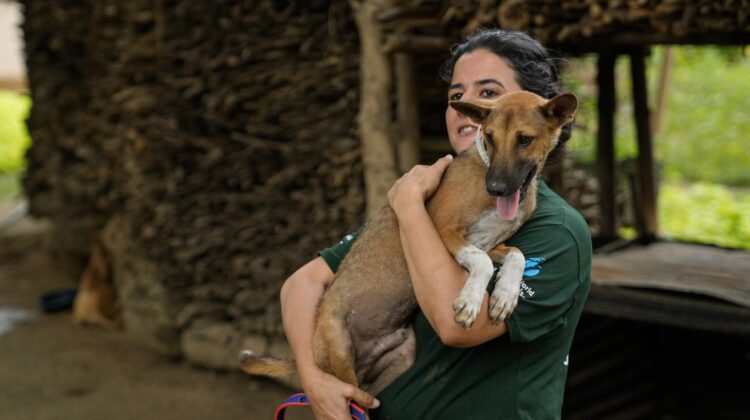
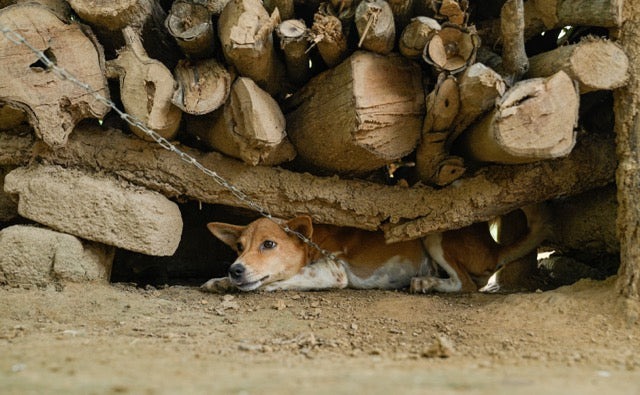
Eighteen dogs, many tied in jute sacks, are safe after three longtime dog meat wholesalers in northeastern India walked away from the trade. The rescue came with a twist: the men gave up the animals voluntarily, as part of a program that offers them a new way to earn a living.
The Rescue
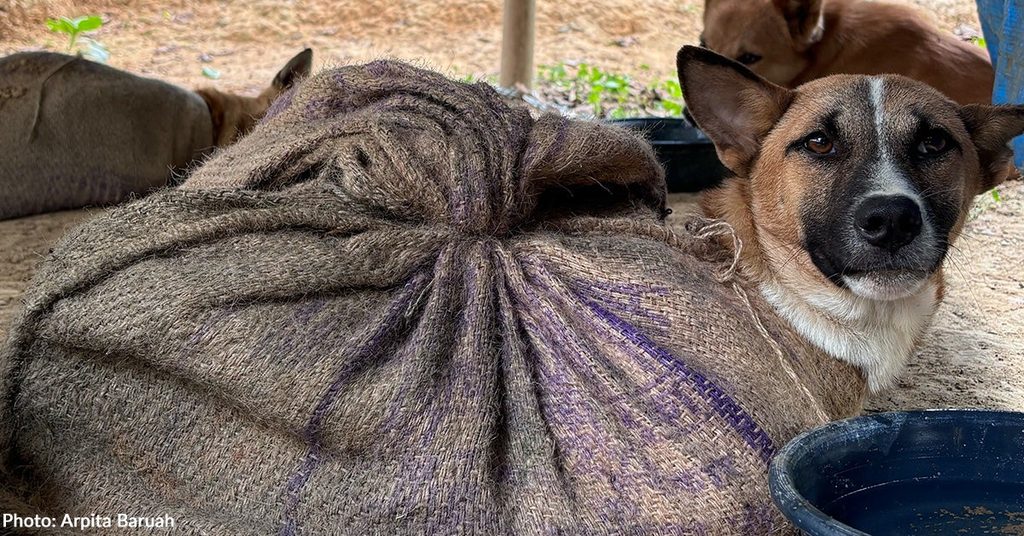
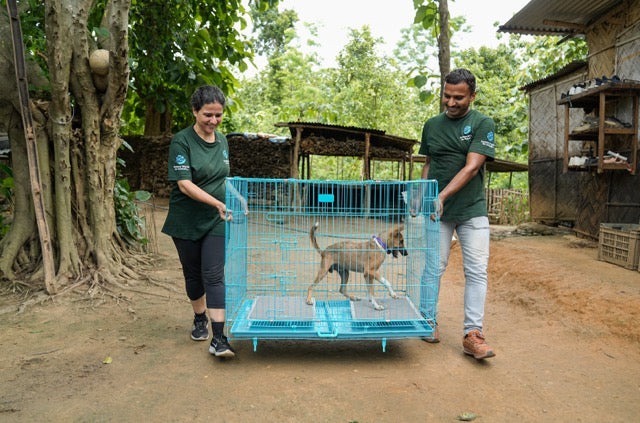
Humane World for Animals India, formerly Humane Society International/India, announced that three wholesalers in Nagaland permanently left the trade after supplying dogs for slaughter for more than 20 years. They surrendered the 18 surviving dogs in their possession, the last animals they had bought before leaving.
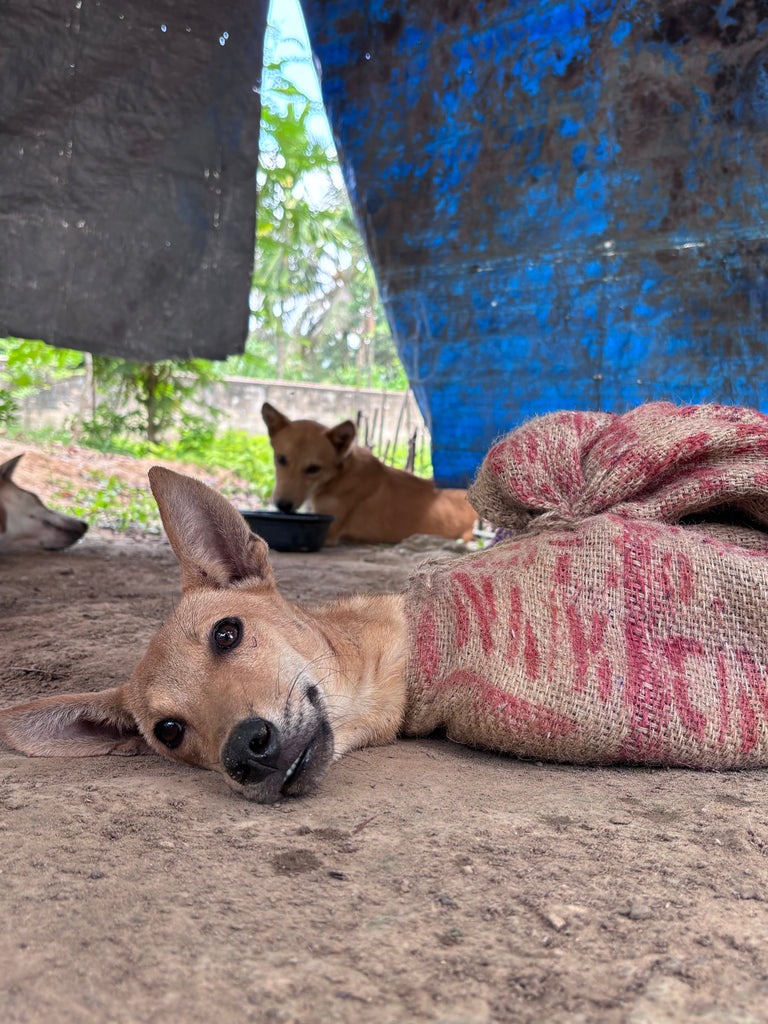
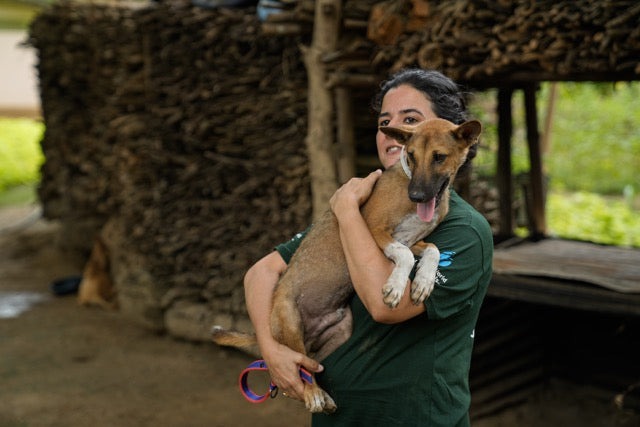
Several of the dogs were found tied in sacks. The group says they were examined and treated by vets, and many were adopted in Nagaland, while the rest went to shelters in Assam for treatment and rehoming.
How the Wholesalers Got Out
The men joined Models for Change, a livelihood transition program run by the grassroots organization Pro Rural, with support from Humane World for Animals India. It helps people in the dog meat trade shift to other businesses, and the three chose mushroom farming and pickle making.
The group says the idea is simple: many people stay in the trade because they have no other source of income. As Keren Nazareth, senior director at Humane World for Animals India, put it, “The dog meat trade exploits people in vulnerable socio-economic situations.”
The Wider Picture
The program launched in Nagaland in 2025. Reports say 30 dog meat vendors, all women, have already left the trade, with 30 more expected to join them. Animal welfare groups say dogs in the trade are often stolen or captured from villages in neighboring states and transported to Nagaland, Manipur and Mizoram.
Humane World for Animals says that although the trade is illegal in India, thousands of dogs are killed each year, and that more than 30,000 street dogs and stolen pets are captured, slaughtered and sold in live markets in Nagaland annually. The group says it will keep working with local organizations, communities and law enforcement on rescue, rabies prevention and livelihood programs.
What Comes Next
The wholesalers’ exit is described as one of the biggest setbacks to the trade in the region in recent years, since it removes a key link in the supply chain. Advocates say more livelihood programs are needed to keep people from returning to it.
How You Can Help Dogs in Need
You can help even from far away:
- Donate to rescue groups. Compare animal rescue charities and street dog welfare organizations with transparent spending.
- Adopt, don’t shop. Consider adopting a rescue dog from a local shelter.
- Protect your own dog. Microchips, ID tags and pet insurance help keep pets safe and cared for.
- Volunteer. Many shelters welcome dog walkers and foster families.
- Give monthly. Recurring donations help groups plan rescues and vet care.
Frequently Asked Questions
Where did the rescue happen? In Nagaland, in northeastern India, where three wholesalers surrendered 18 dogs.
Why did the wholesalers leave the trade? They joined a livelihood program that offered alternative work in mushroom farming and pickle making.
What happened to the dogs? Vets treated them, and many were adopted in Nagaland, while others went to shelters in Assam.
Is the dog meat trade legal in India? Humane World for Animals says it is illegal, though the group says thousands of dogs are still killed each year.
Sources: Humane World for Animals, The Morung Express, Sentinel Assam, and NE Now, all covering the release of 18 dogs by three former dog meat wholesalers in Nagaland and the Models for Change livelihood program.
Leave a Reply