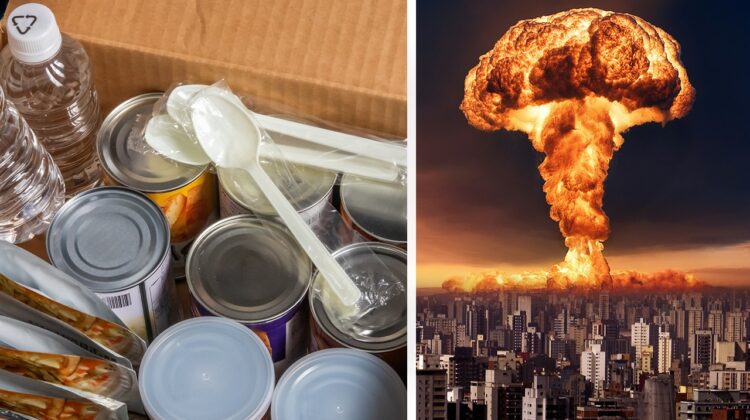
Power outages, storms, supply disruptions and other emergencies can leave households without easy access to groceries. Having a basic stock of shelf-stable food is a practical precaution, but not all emergency food is equally useful. Here is one popular ranking of seven options, along with the storage mistakes experts say to avoid.
Who Made the Ranking?
The ranking comes from a YouTube presenter called Hank Ridley, whom reports describe as an AI-generated expert drawing on official government and academic sources. He ranked food by cost, calories, shelf life, storage needs and usefulness in a long emergency. Because the presenter is AI-generated, treat the list as one opinion to consider alongside advice from recognized agencies, not as professional guidance.
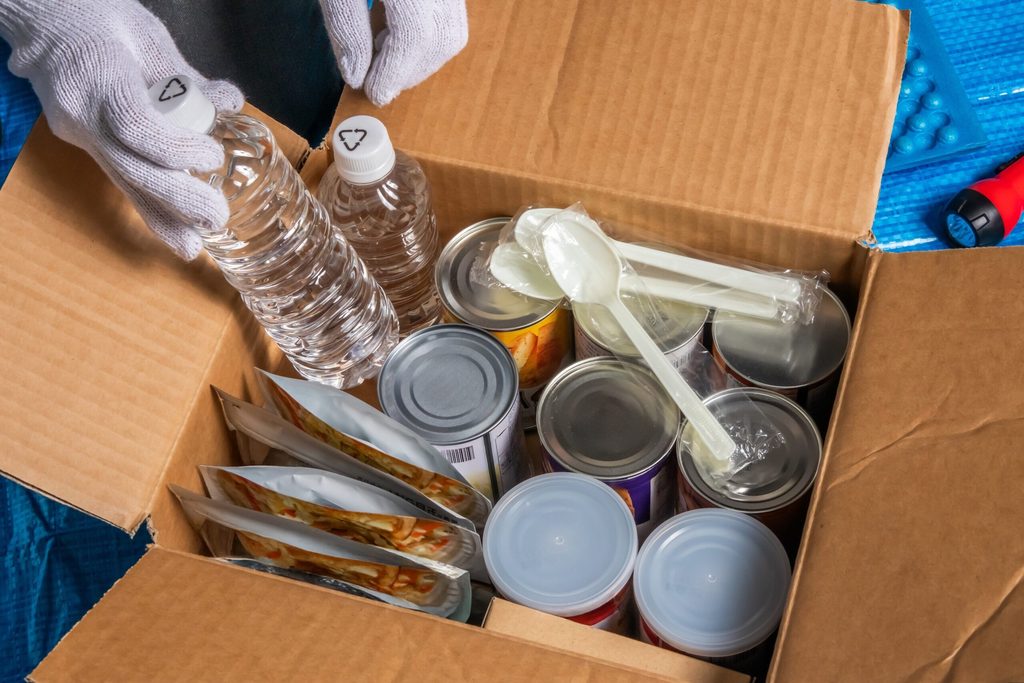
The Ranking, From Last to First
7. Emergency ration bars. These compact bars can last around five years, tolerate heat and can be eaten without cooking or water. But they are expensive for the amount of food they provide, and their high sugar and fat content can make them hard to eat for long. The presenter said they belong in a glove box or grab bag.
5 and 6. Frozen foods and MREs. Both provide plenty of calories and can be eaten without a traditional cooking setup, which helps if fuel runs short. However, frozen food needs reliable electricity to stay safe.
4. Freeze-dried food buckets. They are portable and convenient, and some brands advertise very long shelf lives. The presenter called them good for a grab bag, a few weeks or a backup layer, but not the backbone of a long emergency supply.
3. Canned foods. Popular and widely available, though the presenter said they shouldn’t make up the whole supply either.
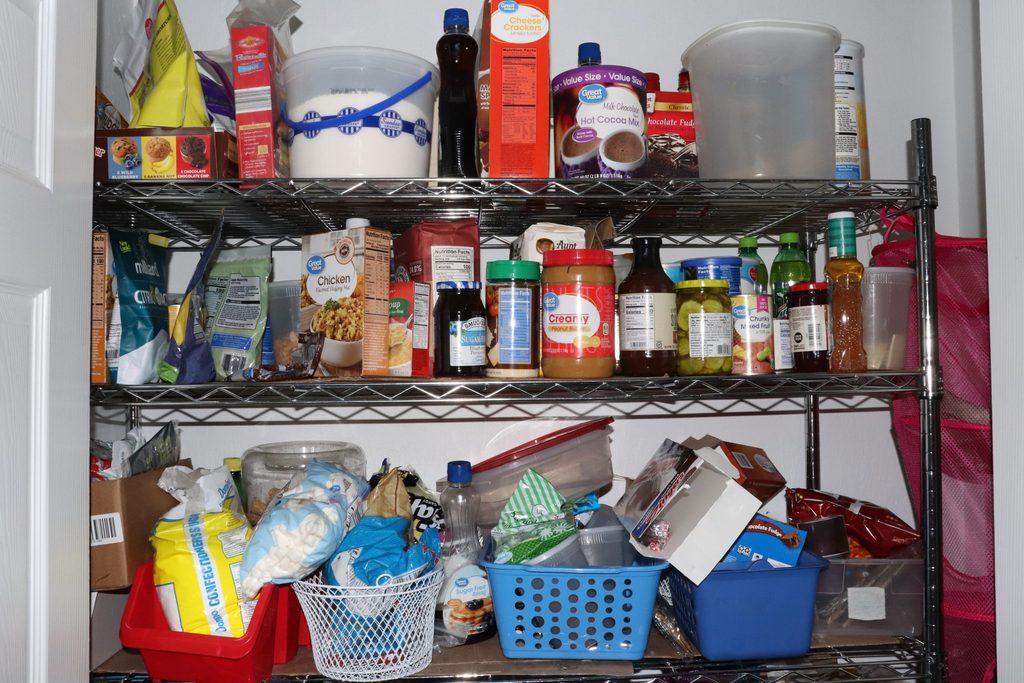
2. Everyday pantry staples. Peanut butter, honey and powdered milk are useful because they offer calories, protein and fat without cooking. Peanut butter in particular needs no water or preparation.
1. White rice and dried beans. Together they are a cheap way to store lots of calories, and they combine carbohydrates and protein. When packaged and stored properly, both can last many years.
Three Common Storage Mistakes
- Storing food somewhere too hot. Attics and garages can shorten the shelf life of many products.
- Ignoring moisture and pests. Use sealed containers and keep supplies off the floor.
- Not rotating your supply. Use what you store and replace it, instead of letting it sit for years.
What Official Guidance Says
University of Georgia guidance on long-term food storage for disasters stresses having enough calories, drinking water and a variety of nutritious foods. It also says households should consider allergies, dietary needs and how easy meals would be to prepare during an emergency.
What This Ranking Doesn’t Cover
No single list fits every household, and a few practical points are easy to overlook:
- Water. Rice and beans must be cooked, which takes drinking water and fuel. Plan for both.
- Cooking equipment. Think about a safe camping stove and a manual can opener.
- Special diets. Allergies, health needs, infants and pets all change what you should store. Honey, for example, isn’t safe for babies under one year old.
- Your own tastes. Food you won’t eat won’t help you, so choose items your household enjoys.
- Local advice. Check guidance from your local emergency management agency.
Emergency Food for Hikers and Campers
The same ideas help outdoors. Light, calorie-dense, no-cook food is useful on trails, and an emergency supply in your pack can matter if a trip is delayed.
- Pack extra food. Bring more than you expect to need, such as backpacking meals and energy bars.
- Carry water treatment. A portable water filter or purification tablets are essential.
- Bring a stove. A compact camping stove and fuel allow you to cook.
- Pack an emergency kit. A hiking first aid kit and emergency blanket are worth the weight.
Building a Basic Emergency Food Supply
- Start small. Add a few extra items to each grocery trip.
- Use airtight storage. Compare food storage containers, Mylar bags and oxygen absorbers.
- Think beyond food. Stock drinking water storage containers and a portable water filter.
- Get organized. Pantry shelving keeps supplies off the floor and easy to rotate.
- Consider a ready-made kit. Browse emergency preparedness kits and freeze-dried meals for a backup layer.
- Review your coverage. Home insurance and renters insurance can help with losses from storms or outages.
Frequently Asked Questions
What is the best food to store for emergencies? In this ranking, white rice and dried beans came first because they are cheap, calorie-rich and long-lasting.
Are freeze-dried meals a good idea? They are convenient and portable, but the presenter described them as better for backup supplies than as the main food.
Where should I store emergency food? In a cool, dry place in sealed containers, off the floor. Avoid hot attics and garages.
Do I need to rotate my supplies? Yes. Use older items first and replace them so the supply stays fresh.
Sources: University of Georgia
Leave a Reply