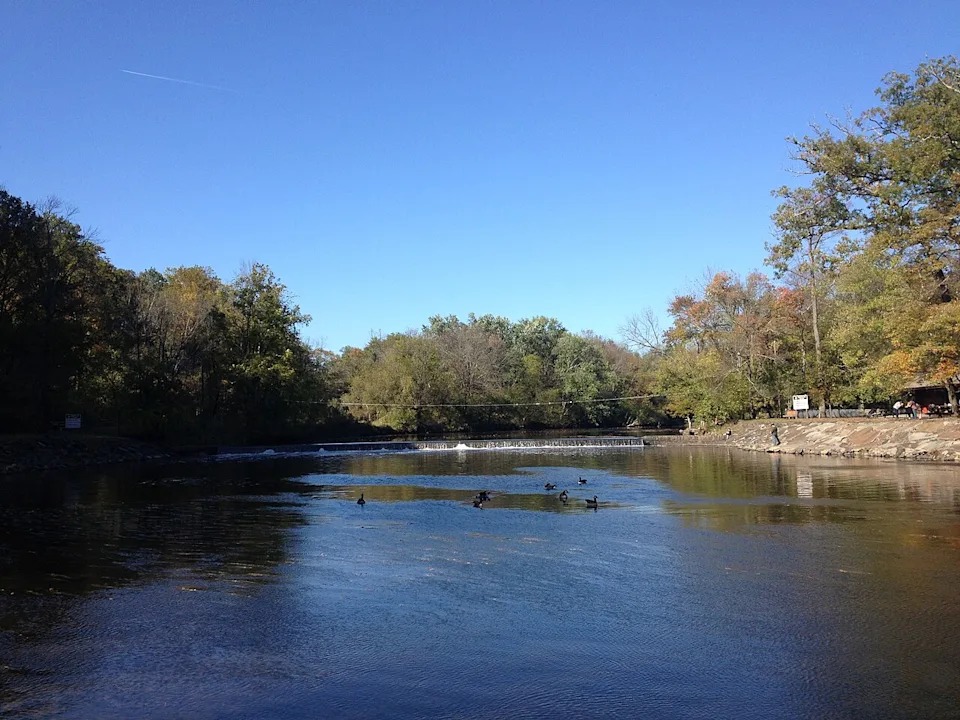
A gentle drop in a creek, smooth water above and calm water below: it looks like a perfect spot for a lazy summer float. But low-head dams like the ones in Tyler State Park in Pennsylvania are among the most hazardous structures paddlers and waders can meet, and many visitors don’t recognize the danger. Here is how they work, why they are so deadly, and how to stay safe.
What Is a Low-Head Dam?
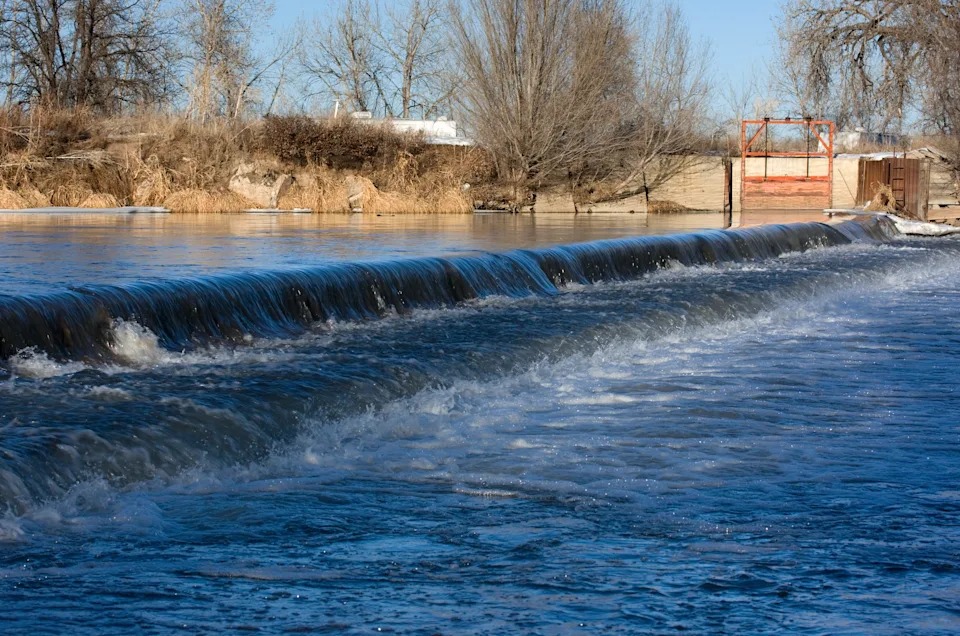
A low-head dam is a small barrier built across a river or creek, usually only a few feet high. They were typically built for practical reasons such as flood control, diverting water or powering old mills. In Tyler State Park, the dams cross Neshaminy Creek, and one of them drops only about three feet, which makes it look harmless from the shore.
Why They Are Called “Drowning Machines”
When water pours over the top of the dam, it plunges to the bottom and curls back on itself, creating a recirculating current known as a hydraulic. Anything that falls in, including kayaks, life jackets and people, can be pulled back under the falling water again and again.
The danger is hard to spot because the water doesn’t look violent. From the bank, the surface can seem to barely move. That deceptive calm is part of what makes these structures so lethal.
Tyler State Park’s Experience
According to the report, at least five deaths have been linked to the low-head dams at Tyler State Park. One of them involved a park ranger who died when his kayak capsized while he was placing a warning buoy near the Neshaminy Weir Dam, an effort meant to keep other people away from it.
The report also says one of the park’s dams, Spring Garden Dam, was being removed after a public campaign. It was originally built for a nearby mill and had long since lost its purpose. The Neshaminy Weir Dam was reported to remain in place. Plans and construction schedules can change, so check with the park for current information before you go.
A Nationwide Problem
Tyler isn’t unique. A database maintained by Brigham Young University has tracked more than 1,000 deaths at low-head dams across the United States over about 50 years. One reason, according to the report, is that most low-head dams aren’t covered by state dam-safety programs. They are often too small and harmless-looking to trigger the inspections, warning signs and other requirements that apply to larger dams.
What If You Get Caught?
Prevention is by far the best protection, because escaping a hydraulic is extremely difficult. The report cites rescuers who say the instinct to swim toward the surface or back upstream is usually wrong. Their reported advice is to tuck into a ball, let the current carry you down and along the bottom, and then swim away from the base of the dam, rather than trying to fight the water at the surface.
Please note that this is general information and not a guarantee. Outcomes depend on the specific dam and conditions, and many people are never able to get out.
What This Article Doesn’t Cover
This is a general safety overview based on a single report. It isn’t a substitute for training from a certified swiftwater rescue or paddling instructor, and details about individual dams, closures and construction can change. Always follow posted warnings and park staff instructions.
How to Stay Safe Near Dams and Spillways
- Know what a low-head dam looks like. A straight, horizontal line across the river with a smooth drop is a warning sign.
- Stay well away. Keep your boat, tube or paddleboard far upstream, and never go close to the edge or play below it.
- Portage around. Get out of the water well before the dam and carry your kayak around it.
- Wear a life jacket. A properly fitted personal flotation device (PFD) is essential for any water activity.
- Learn from experts. Consider a kayak safety course or swiftwater rescue training.
- Never try a rescue yourself. If someone is in trouble, call 911, and use a throw rope from shore if you can do so safely.
- Check the park first. Ask about current closures and hazards at the visitor center or on the park’s website.
Gear and Planning
- Safety gear. Compare kayak life jackets, water sports helmets and throw bags.
- Paddling lessons. Look for beginner kayak classes and river safety courses.
- Protect your trip. Outdoor adventure travel insurance can cover accidents and medical costs.
Supporting Rivers and Parks
- Support park programs. Compare state park friends groups and outdoor conservation charities.
- Help river restoration. Look into river conservation organizations and dam removal and habitat restoration projects, which can reconnect waterways for fish and wildlife.
Frequently Asked Questions
What is a low-head dam? A small dam, often only a few feet high, built across a river or creek for purposes such as water diversion or mill power.
Why are they so dangerous? Water pouring over the top creates a recirculating current at the base that can trap boats and people.
Are low-head dams regulated? Many aren’t covered by state dam-safety programs, so they may lack inspections and warning signs.
What should I do if someone is caught? Call 911 and try to reach or throw them a rope from shore, but don’t enter the water yourself.
Leave a Reply