
Echinocereus rigidissimus, commonly known as the Arizona rainbow cactus or rainbow hedgehog cactus, is a captivating desert cactus renowned for its vibrant spines and striking flowers. Native to the Sonoran Desert of southwestern United States and northern Mexico, this hardy plant thrives in arid, rocky environments, adding a splash of color and intriguing texture to the desert landscape.

A Spiny Sensation
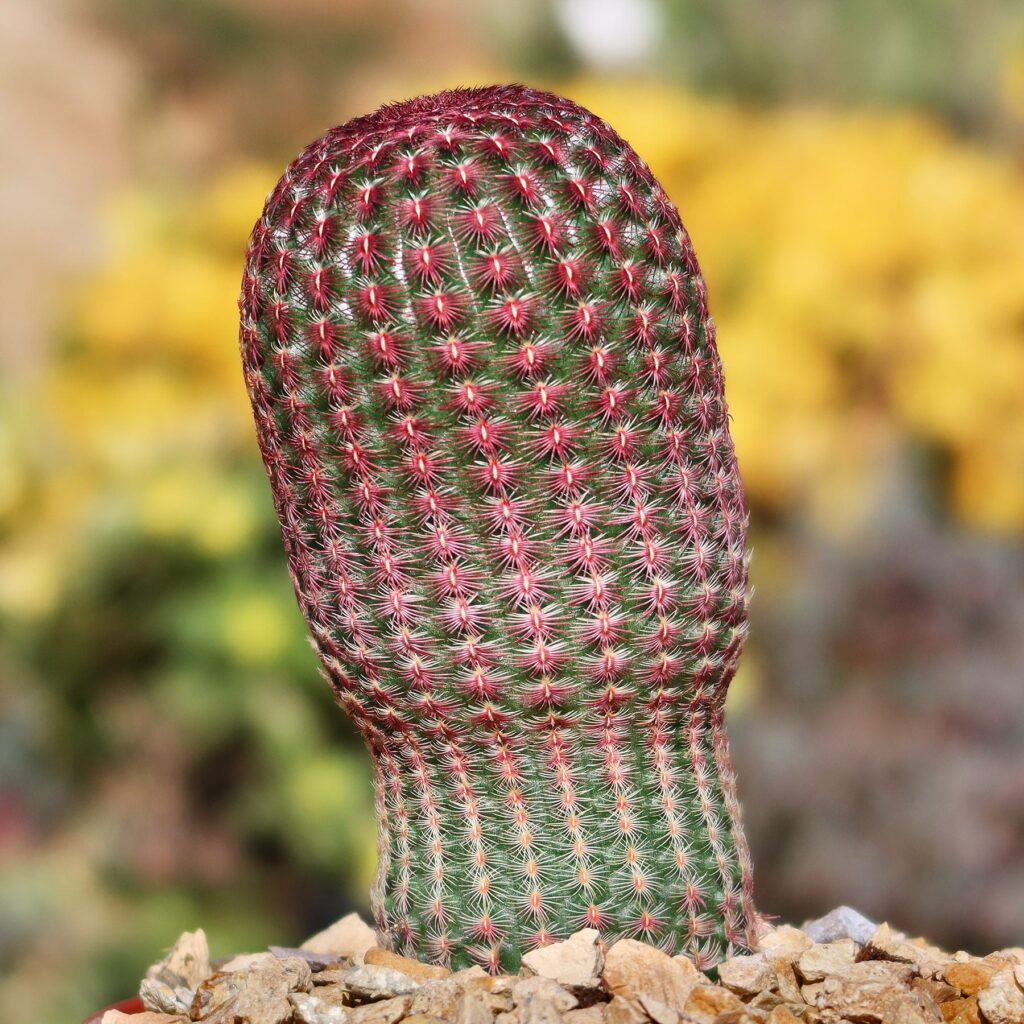
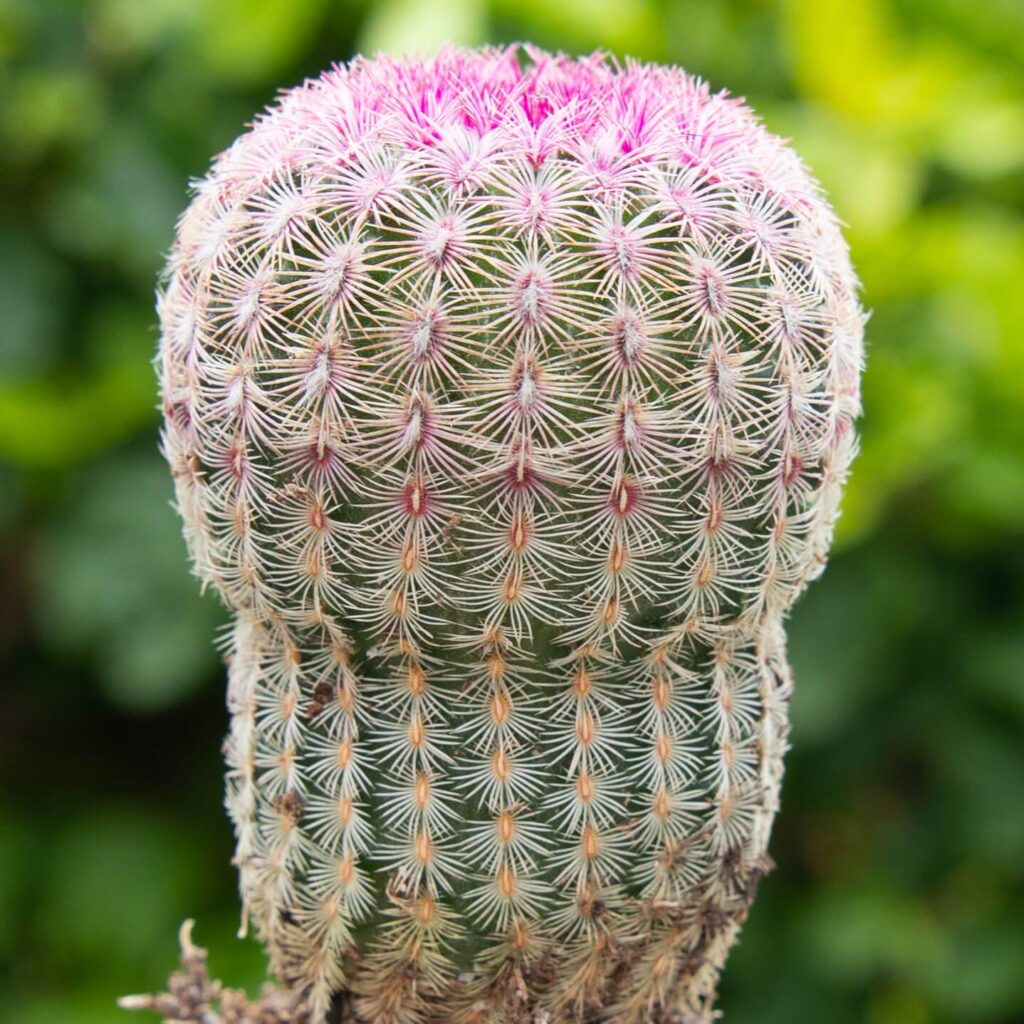
The Arizona rainbow cactus is a solitary grower, typically forming a single globose or cylindrical stem that can reach up to 12 inches in height and 10 inches in width. Its most distinguishing feature is its mesmerizing array of spines, which radiate outward from the stem in a dense, spiny coat. These spines are not just for protection; they also play a crucial role in regulating the cactus’s water balance and providing shade from the harsh desert sun.
The spines of the Arizona rainbow cactus are a true spectacle, showcasing a dazzling array of colors. The central spines tend to be white or cream-colored, while the radial spines, which are more numerous and extend further out, display a mesmerizing pattern of alternating bands of pink, red, and white. This vibrant interplay of colors gives the cactus its aptly deserved name, the “rainbow cactus.”

A Floral Fiesta
The Arizona rainbow cactus’s beauty extends beyond its spiny exterior. During the spring and early summer months, this desert dweller erupts in a dazzling display of flowers that add a splash of vibrant color to the arid landscape. These flowers, typically measuring around 2 inches in diameter, emerge from the upper part of the stem and are a sight to behold.
The flowers of the Arizona rainbow cactus are funnel-shaped and boast a range of hues, from deep magenta and rose to delicate lavender and purple. Often adorned with conspicuous white bands near the base, these flowers not only add a touch of elegance to the desert but also serve as an irresistible invitation to pollinators.
A Desert Gem
The Arizona rainbow cactus is a valuable component of the Sonoran Desert ecosystem. Its spiny exterior provides shelter and protection for a variety of small creatures, while its flowers serve as a vital food source for pollinators, including bees, butterflies, and hummingbirds.
This hardy cactus is also an important player in the desert’s water cycle. Its spines and thick stem help to collect and conserve moisture, making it a crucial resource in the arid environment. Additionally, the cactus’s roots help to stabilize the soil and prevent erosion, playing a vital role in maintaining the desert’s delicate balance.
A Symbol of Resilience
The Arizona rainbow cactus stands as a testament to resilience and adaptability. Thriving in the harsh desert environment, this cactus has evolved remarkable strategies to conserve water, withstand extreme temperatures, and protect itself from predators. Its presence serves as a reminder of the enduring spirit of life in the desert, where beauty and resilience can coexist in the most challenging of conditions.
Leave a Reply