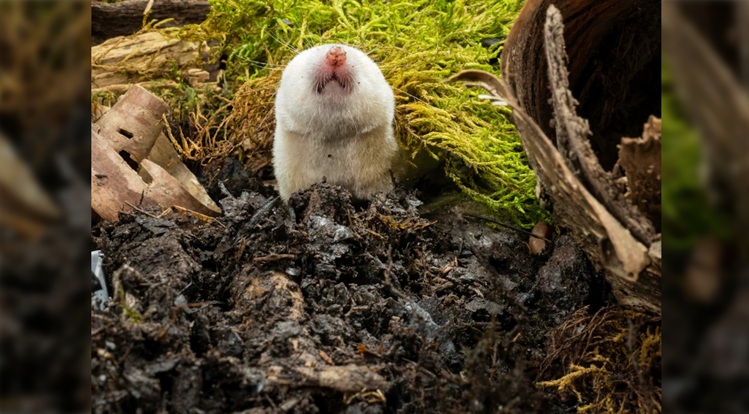
It weighs about as much as a few coins, has barely any eyesight, and keeps paralyzed prey alive in an underground pantry. Meet the northern short-tailed shrew.
A Strange Scene in a Wisconsin Garden
A homeowner in suburban Wisconsin recently watched something odd unfold in a garden bed. A small, mouse-like animal was hauling a live toad several times its own size across the mulch. When the person moved closer, the animal bolted into the leaf litter and left the stunned toad behind. The toad later burrowed into the soil and disappeared.
Friends identified the culprit as a northern short-tailed shrew (Blarina brevicauda), a common but rarely seen backyard predator.
One of the Few Venomous Mammals on Earth
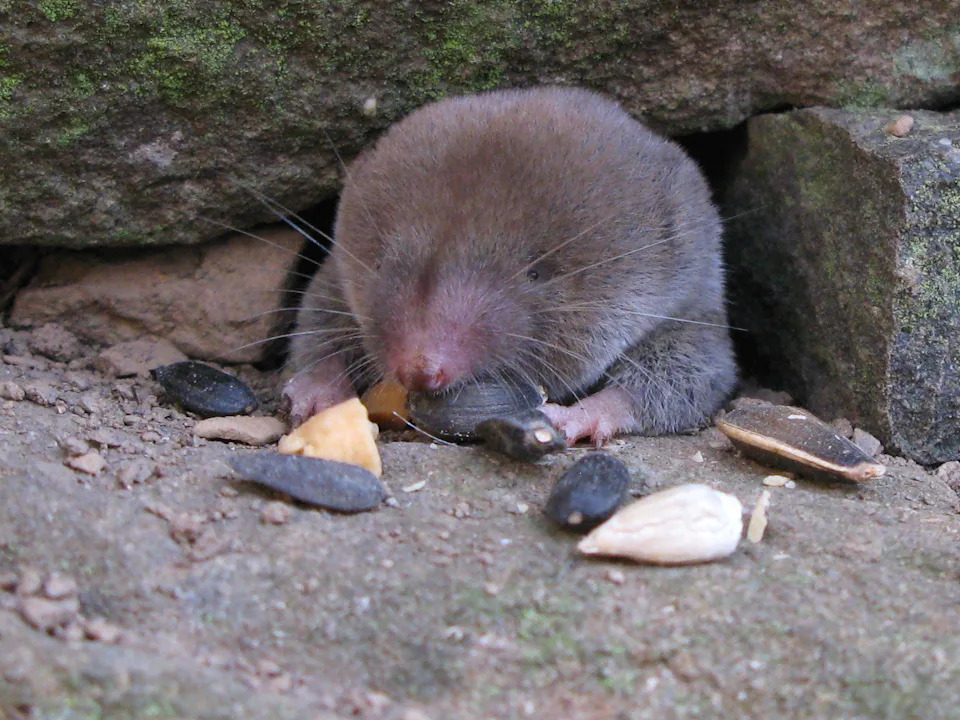
Venomous mammals are extremely rare, and most people picture something exotic and far away. The short-tailed shrew is neither. It is a small, velvety, stocky animal that averages around 19 grams and 115 millimeters (about 4.5 inches) from nose to tail, with a short tail and tiny eyes. Its saliva contains a protease that paralyzes prey, delivered through grooves in its teeth.
Researchers report that the venom can kill small animals even somewhat larger than the shrew itself, which explains how it manages to subdue a toad.
A Living Pantry Under the Hostas
Shrews do not always kill what they catch. The venom often leaves prey comatose but alive, and the shrew stores it for later. One study found that the animal caches about 87% of the prey it catches, eating only around 9% on the spot. Its menu includes earthworms, insects, snails, spiders, small amphibians and, at times, mice and voles.
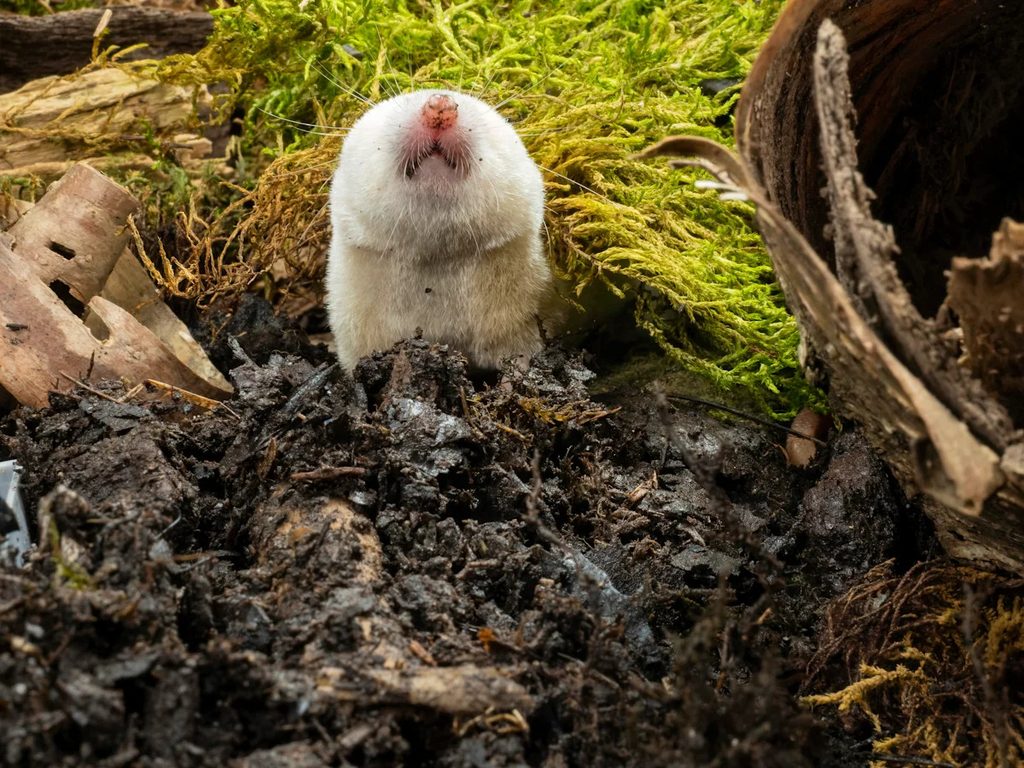
Storing prey alive keeps it fresh, which matters for an animal with an extreme appetite.
An Animal Always Running on Empty
Short-tailed shrews do not hibernate. They stay active through winter, tunneling under leaf litter and snow. Their metabolism is so high that they can eat and process up to three times their body weight in food in a single day, and they eat even more in cold weather.
Life is short. Most live one to two years, and many die in their first year.
Their senses work differently from ours too. Vision is poor, perhaps limited to light and dark, but they have a sharp sense of touch in the snout and whiskers, and research suggests they use a form of echolocation to explore their surroundings.
Prey as Well as Predator
Despite their fierce reputation, shrews are food for owls, hawks, snakes, weasels, foxes and coyotes. Some predators avoid them, however. Scent glands on the belly and sides give off a musky odor that is thought to make shrews unpleasant to eat.
They are widespread and abundant, and the IUCN lists the species as Least Concern. The northern short-tailed shrew ranges across much of the eastern half of North America, from southern Canada down to roughly Nebraska and Georgia. Related species cover the southern states.
What If You Get Bitten?
Bites are rare and almost always happen when someone tries to pick up a shrew. In people, the venom can cause pain that lasts for several days, but it is not considered dangerous the way a snake’s is. If you are bitten, clean the wound and ask a doctor or pharmacist for advice, especially if swelling spreads or you feel unwell.
How to Live Alongside Backyard Wildlife
- Leave shrews alone. Do not try to catch or handle them. They are small, fast and will bite in defense.
- Keep cats indoors, or supervised. Cats often catch shrews but usually will not eat them, which leaves many animals injured or dead for no reason.
- Keep some leaf litter and ground cover. Shrews help control slugs, grubs and other garden pests, so a little wild corner supports a healthier yard.
Curious About Your Backyard Wildlife?
Readers who want to learn more about the animals around their homes often look into:
- Wildlife watching gear. Compare trail cameras, binoculars and night-vision wildlife cameras.
- Learning resources. Look at backyard wildlife field guides, mammal identification apps and nature education courses.
- Garden care. Review organic garden pest control, raised garden beds and native plant gardening kits.
- Pet and family safety. Consider pet insurance, urgent care services and humane wildlife removal services.
Frequently Asked Questions
Is the short-tailed shrew really venomous? Yes. Its saliva contains a protein-digesting toxin that paralyzes prey.
Is a shrew bite dangerous to humans? It can be painful for days, but bites are rare and usually happen when someone handles the animal.
What do short-tailed shrews eat? Mostly invertebrates such as earthworms, insects and snails, plus small amphibians, mice and voles.
Do shrews hibernate? No. They stay active all year and eat even more in winter.
How long do short-tailed shrews live? Usually one to two years, though a few live longer.
Sources: Animal Diversity Web, Virginia Department of Wildlife Resources, SUNY ESF Adirondack mammals, Encyclopedia of Life, Maryland Biodiversity Project, and Allegheny County Parks, covering short-tailed shrew biology, venom and range, plus a first-hand garden sighting in Wisconsin.
Leave a Reply