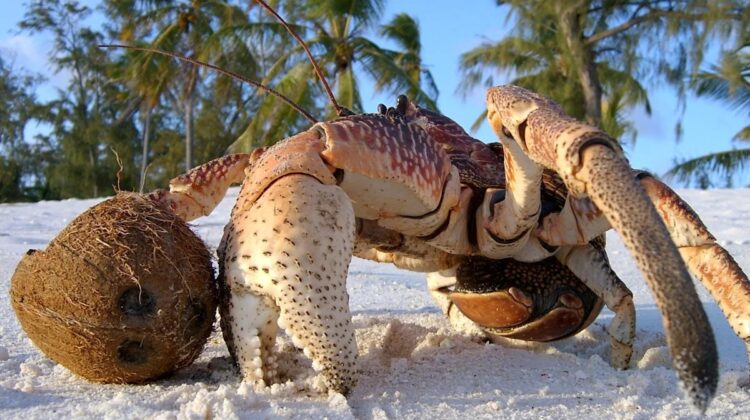
One of the most discussed theories about the fate of aviator Amelia Earhart involves a remote Pacific island and its enormous crabs. According to the idea, the crabs may have scavenged her remains. But a curious question follows: if she and her navigator were stranded among thousands of coconut crabs, could they have eaten the crabs instead? The answer says as much about this remarkable animal as it does about survival.
The Theory
The island at the center of the debate is Nikumaroro, part of the Phoenix Islands in Kiribati. A long-standing hypothesis, promoted by the research group TIGHAR, suggests that Earhart and her navigator Fred Noonan ended up stranded there after their plane disappeared, and that Earhart died on the island.
Supporters of this idea say her complete skeleton was never found because the island’s coconut crabs scavenged her body and carried bones into burrows and coral rubble. Only a small number of human bones were reportedly found on the island, and they were later lost.
It’s important to be clear that this is one theory among several. It hasn’t been proven, and what happened to Earhart and Noonan remains an unsolved mystery.
Meet the Coconut Crab
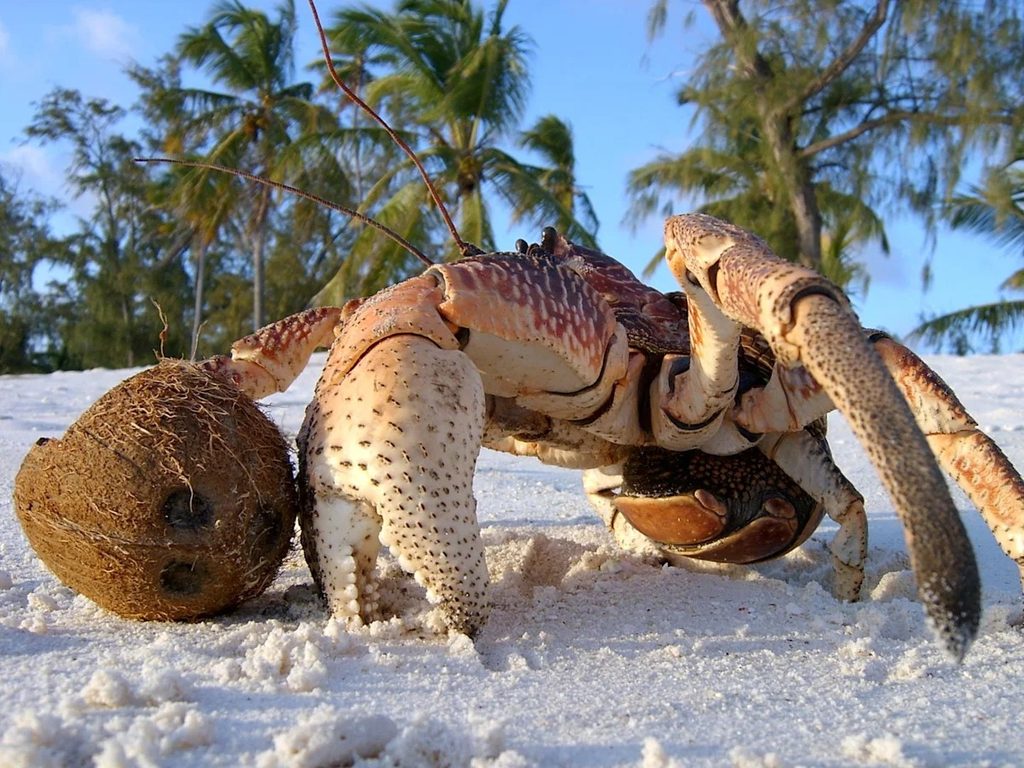
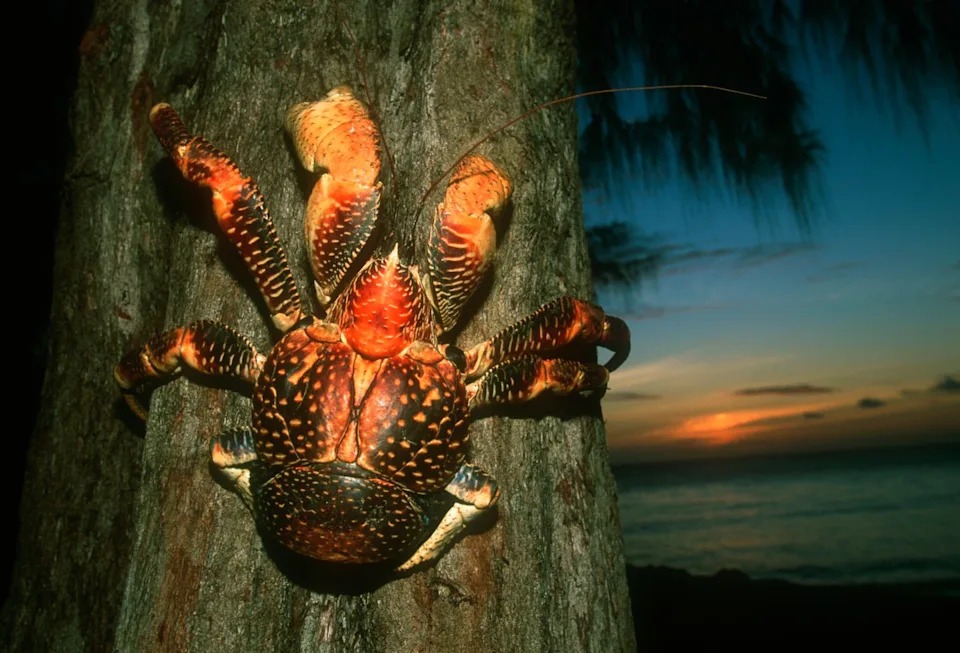
The coconut crab (Birgus latro) is the world’s largest land-living crustacean. Adults are heavily armored, mostly active at night and capable of a powerful pinch. They live in coastal forests and scrub across the western Indian Ocean and much of the Pacific, and they are scavengers that eat fruit, rotting wood, dead animals and other organic matter.
Are Coconut Crabs Edible?
Yes, and in many Pacific island cultures they are considered a prized delicacy. The meat is often described as sweet and firm, similar to dense lobster, and the fat-storing organ in the abdomen is especially valued. Its famous coconut flavor, however, comes from the crab’s diet rather than its genes. Crabs that have been eating other things taste different.
That’s why, according to the report, people traditionally keep captured crabs penned and feed them coconuts for several weeks before cooking them. The practice improves flavor, and it also matters for safety: in some places, crabs can build up toxins from eating poisonous plants, such as the sea mango tree (Cerbera manghas), and eating a toxic crab can cause serious heart problems and even death.
Why Nikumaroro Might Be Different
Nikumaroro is dry, and the sea mango prefers moisture, so that tree is unlikely to grow there. The crabs on the island instead feed on coconut palms left from past plantation attempts, on the rotting wood and organic matter of large Pisonia trees, and on fruits from native coastal plants. Because of that diet, the report suggests the island’s crabs would likely have been safe and flavorful food for castaways.
Catching and Cooking Them Would Have Been Hard
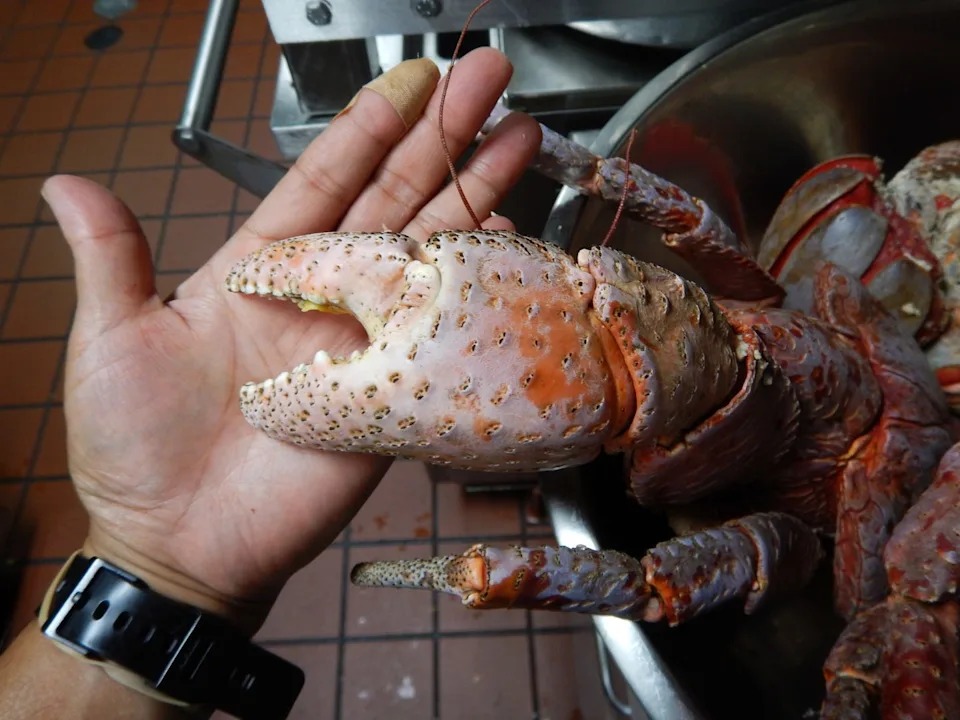
Even so, living on coconut crabs wouldn’t have been easy. They are large, armored and nocturnal, and their claws are extremely strong, with a crushing force compared to the bite of a large predator. A pinch can break a finger or cause a serious wound. For a person who is exhausted, thirsty or hungry, hunting them in the dark would have been difficult and dangerous.
Raw crab also carries a risk of bacteria and parasites, so a castaway would need fire. Researchers working on the island reportedly found small campfire remains at a site they call the Seven Site, along with cooked bones of birds, fish and turtles. That suggests someone did cook wildlife there at some point, though it doesn’t show who.
What We Can and Can’t Conclude
The idea that crabs removed Earhart’s remains is a hypothesis, not a finding. The lost bones can’t be re-examined, the identity of the people who used that campsite is unknown, and other explanations for her disappearance are still debated. What we can say is that coconut crabs are real, powerful scavengers, and that they could plausibly have been both a threat and a food source for anyone stranded on such an island.
Please Don’t Eat Wild Coconut Crabs
If this story makes you curious about eating coconut crabs, keep in mind that they are protected by conservation laws in most places where they live, so catching or harvesting them is often illegal and harms populations that grow and reproduce slowly. Wild crabs can also carry toxins that are dangerous to eat. The best way to appreciate them is to watch them from a distance.
Exploring the Story and the Region
History and nature enthusiasts often follow stories like this to the Pacific itself, comparing Pacific island travel packages, wildlife photography cameras and travel insurance for remote trips, or reading aviation history books and Amelia Earhart biographies to learn more about the mystery.
Frequently Asked Questions
What is the coconut crab? The world’s largest land crustacean, found on islands in the Indian and Pacific oceans.
Did coconut crabs eat Amelia Earhart? That is one theory about why no full skeleton was found, but it hasn’t been proven.
Are coconut crabs safe to eat? They’re prized as food in some cultures, but they can carry toxins depending on their diet, and they’re protected by law in many places.
Could a castaway catch one? It would be very difficult and dangerous, since they are large, strong and mostly active at night.
Sources: Popular Mechanics, TIGHAR
Leave a Reply