
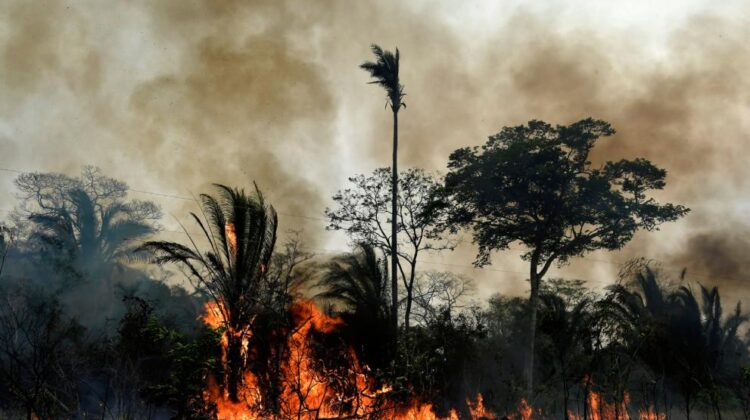
A plant that’s everywhere is fueling a growing risk of wildfire disaster. A ubiquitous, resilient, and seemingly harmless plant is propelling an increase in large, fast-moving, and destructive wildfires in the United States.
Grass is as plentiful as sunshine, and under the right weather conditions, it behaves like gasoline for wildfires: All it takes is a spark for it to erupt into flames.
Planet-warming emissions are wreaking havoc on temperature and precipitation, resulting in larger and more frequent fires. These fires are fueling the vicious cycle of ecological destruction, which is helping to crown grass as king.
“Name an environment and there’s a grass that can survive there,” said Adam Mahood, research ecologist with the US Department of Agriculture’s research service. “Any 10-foot area that’s not paved is going to have some kind of grass on it.”
Grass fires are typically less intense and shorter-lived than forest fires but can spread exponentially faster, outrunning firefighting resources and burning into the growing number of homes being built closer to fire-prone wildlands, fire experts told CNN.
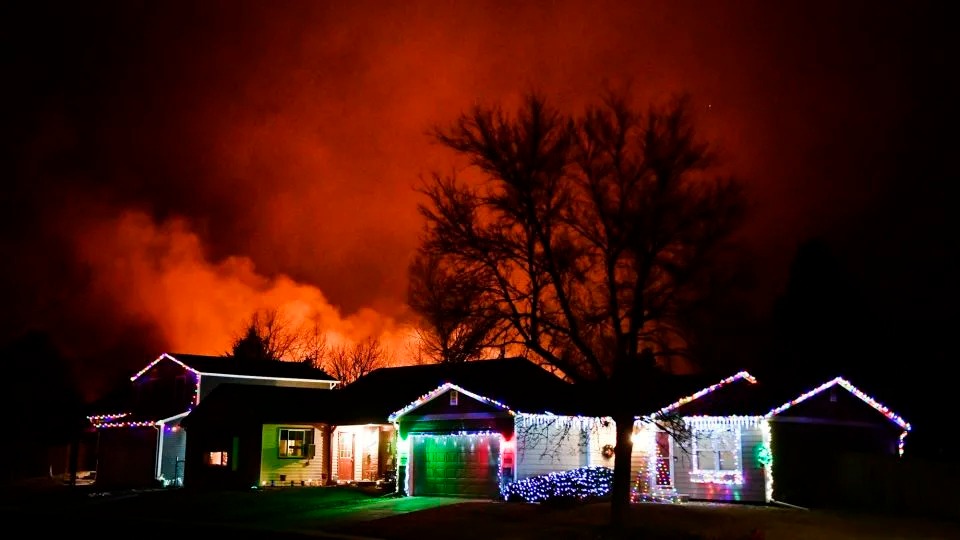
Over the last three decades, the number of US homes destroyed by wildfire has more than doubled as fires burn bigger and badder, a recent study found. Most of those homes were burned not by forest fires but by fires racing through grass and shrubs.
The West is most at risk, the study found, where more than two-thirds of the homes burned over the last 30 years were located. Of those, nearly 80% were burned in grass and shrub fires.
One part of the equation is people are building closer to fire-prone wildlands, in the so-called wildland-urban interface. The amount of land burning in this sensitive area has grown exponentially since the 1990s. So has the number of houses. Around 44 million houses were in the interface as of 2020, an increase of 46% over the last 30 years, the same study found.
Building in areas more likely to burn comes with obvious risks, but because humans are also responsible for starting most fires, it also increases the chance a fire will ignite in the first place.
More than 80,000 homes are in the wildland-urban interface, in the sparsely populated parts of Kansas and Colorado that Bill King manages. The US Forest Service officer said living on the edge of nature requires an active hand to prevent destruction.
Property owners “need to do their part too, because these fires – they get so big and intense and sometimes wind-driven that they could spot miles ahead even if we have a huge fuel break,” King said.
‘A perfect storm’ for fire Climate change-fueled fire is attacking the western half of the US on all fronts.
“Globally, the places that burn the most are places that have intermediate precipitation,” said John Abatzoglou, a climate professor at the University of California, Merced. “It’s a little bit like Goldilocks. Not too wet, not too dry, just right, with plenty of ignition.”
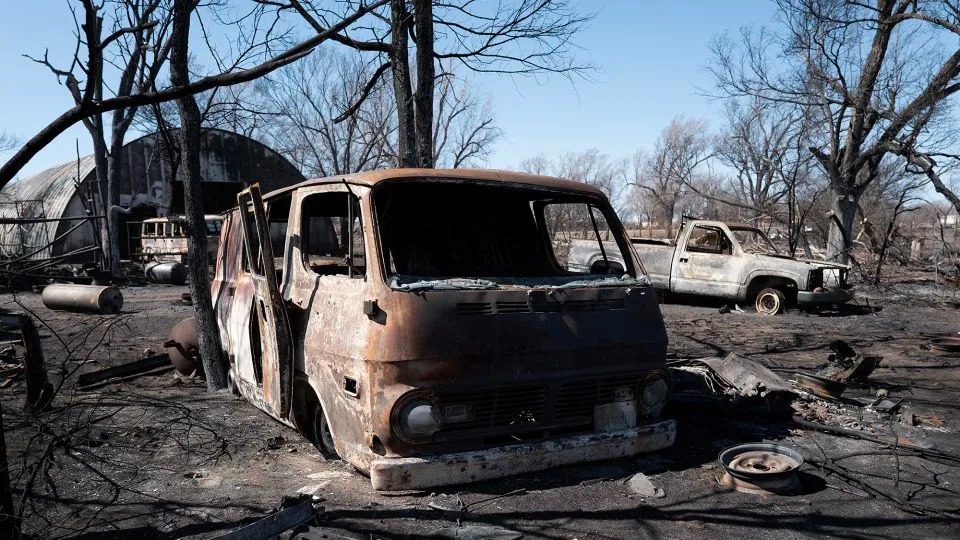
In America’s grassy heartland, the typically dry and often windy Plains, a series of compounding extremes across seasons are creating ideal fire fuel conditions in perennial grasses. Grass is more plentiful here than in other regions in the US, offering more continuous fuel for fires to feed off.
The region is seeing more megafires like Texas’s largest fire, the Smokehouse Creek Fire, and more destructive ones like Colorado’s Marshall Fire, which burned through more than 1,000 homes in 2021.
Rainy springs fuel more grass growth. Then it goes dormant, or plays dead, in the winter. Warmer winters with less snow cover, especially in the Northern Plains, expose the grass to warmer, drier spells in the late winter and early spring, according to King and Todd Lindley, a fire weather expert for the National Weather Service in Norman, Oklahoma.
Grass is uniquely flammable because of its sensitivity to weather, Lindley said. Unlike in forests, it doesn’t take long spells of warm, dry weather to turn grass to tinder. Moisture can be sapped from the plant in as little as an hour and even a day after rain. Throw in a spark, strong winds and invasive shrubs that burn hotter and longer and you have a recipe for grass fire disaster. “These compound extremes, these sequences of extremes that follow one another, if you get the right sequence, it can be game on for this sort of wildfire,” Abatzoglou said. “Basically, you’re creating a perfect storm for the fire to spread there.”
Grass invasion Extreme drought and years of forest neglect are creating larger and more intense fires in western forests, King said.
“When I started 30 years ago, a big fire was 30,000 acres, and now that’s normal, that’s typical,” said King. “I’d have maybe one a year, one every couple of years of that size, and now we hear of 1-million-acre forest fires.”
Grass exists in forest systems, too, and acts like a fuse to connect easier-to-ignite finer fuels to larger, drought-impacted tree systems, creating and spreading more intense fires.
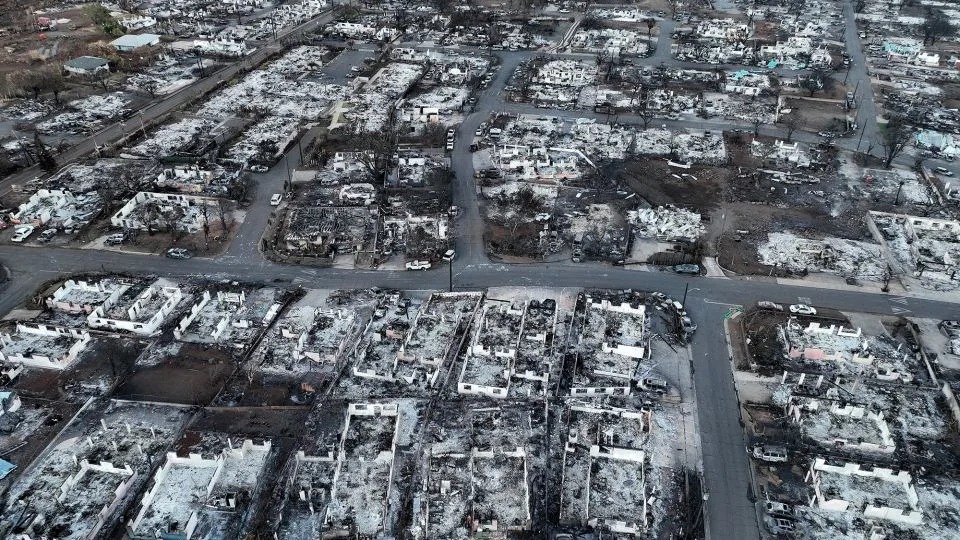
When the trees die, grass moves in. Grass recovers from fire much faster than other plants and can burn again, sometimes within a matter of months. King has seen this firsthand.
“You could have green grasses coming up in a burned-grass landscape within a day or two, that’s how fast it rejuvenates,” King said.“Forest recovery could take years or generations, or never recover in our lifetime, or our generation’s.”
As more vegetation in the West burns, it’s being replaced by both native and nonnative grass.
In the desert, it’s creating fire where it wasn’t before, USDA’s Mahood said. The same drought-fueled fires are now becoming bigger in deserts because of annual grasses, which unlike the perennial grasses in the Plains, don’t exist year-round.
These grasses take advantage of rare bursts of rain to propagate, then die, forming a carpet of fire fuel on the desert floor.
Two recent fires in California’s Mojave National Preserve are perfect examples, Mahood said. Those fires took advantage of invasive red brome grass and burned hundreds of thousands of acres of Mojave Desert and over a million iconic Joshua Trees.
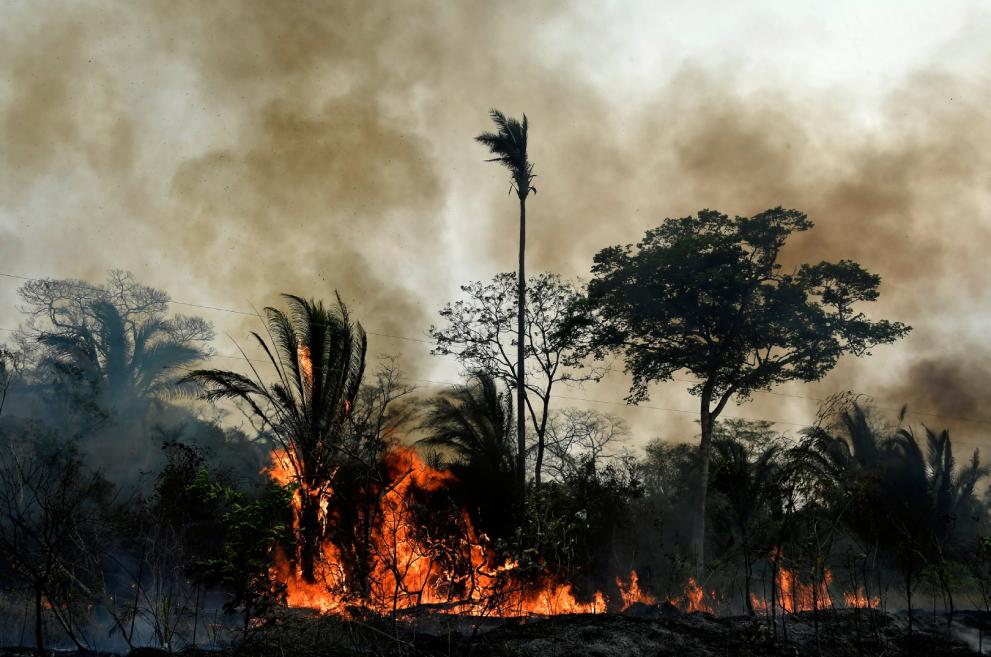
The increasing hot and dry conditions then suppress native plant recovery. The result is more grass.
The West’s stubby, iconic sagebrush is the single biggest ecosystem in the Lower 48, but half of it has been lost or degraded over the last 20 years. A roughly Delaware-sized area of sagebrush falls victim to grass, fire, and other stressors each year, a USGS study found.
With more grass and a complex web of climate stressors comes more fire risk now and increasingly in the future.
“It may seem bad now, but this will probably not seem nearly as bad in the next decade,” Mahood said. “Think about how bad the fire season was two decades ago – now, that seems like nothing.”
Leave a Reply