
When the roles are reversed, the experience changes completely
Imagine entering a zoo where you are no longer the one walking freely, staring through fences. Instead, you are the one inside a cage—sealed safely inside a vehicle—while the animals move freely around you. This is exactly the concept behind Lehe Ledu Wildlife Zoo in Chongqing, a place designed to flip the traditional zoo experience on its head.
Rather than pathways and viewing platforms, the zoo is built around a drive-through safari model. Visitors remain inside reinforced buses or private cars, slowly traveling through vast open zones where animals such as lions, tigers, bears, wolves, and other predators roam without visible barriers. The result is an intense sense of closeness that traditional zoos rarely offer.
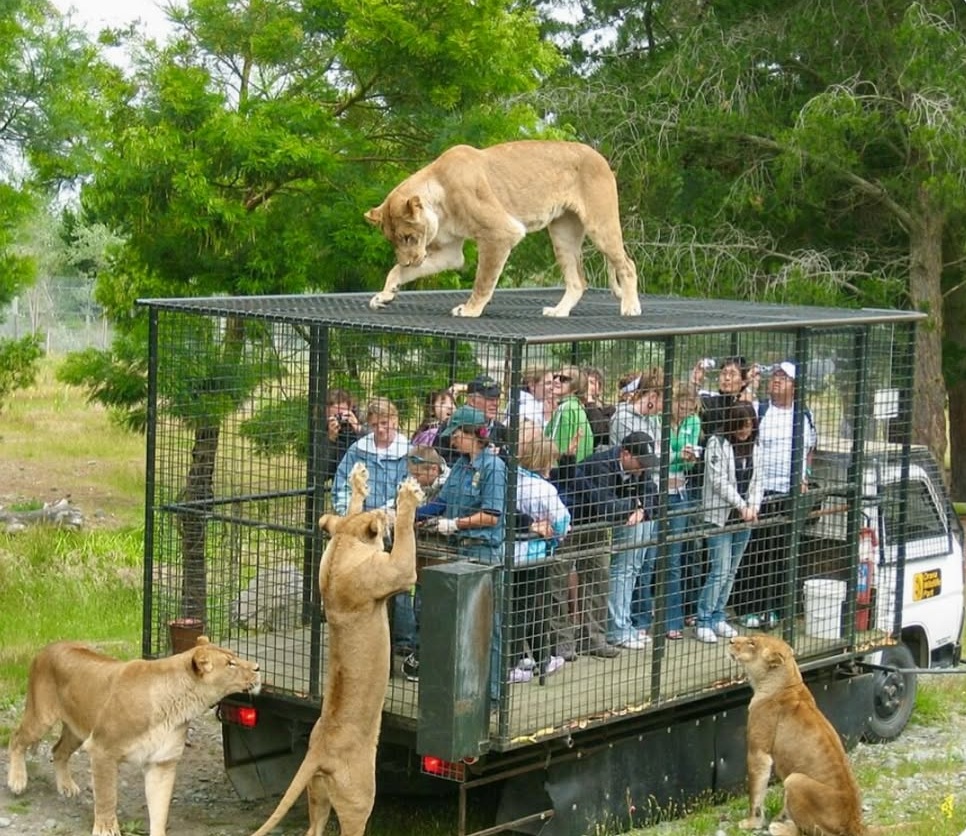
As vehicles move through each zone, animals often approach out of curiosity. Lions may rest beside the road, bears may stand upright near passing buses, and tigers may walk calmly just inches away from the windows. The experience feels raw, unpredictable, and deeply immersive—far removed from the feeling of watching animals behind glass or steel bars.
What sets Lehe Ledu Wildlife Zoo apart is its layout and philosophy. The park prioritizes space, using natural landscapes instead of cages. Hills, forests, rocks, and vegetation replace concrete enclosures, allowing animals to move, rest, socialize, and behave in ways that feel far less staged. The absence of visible fencing creates an environment that feels closer to a natural habitat than a display.
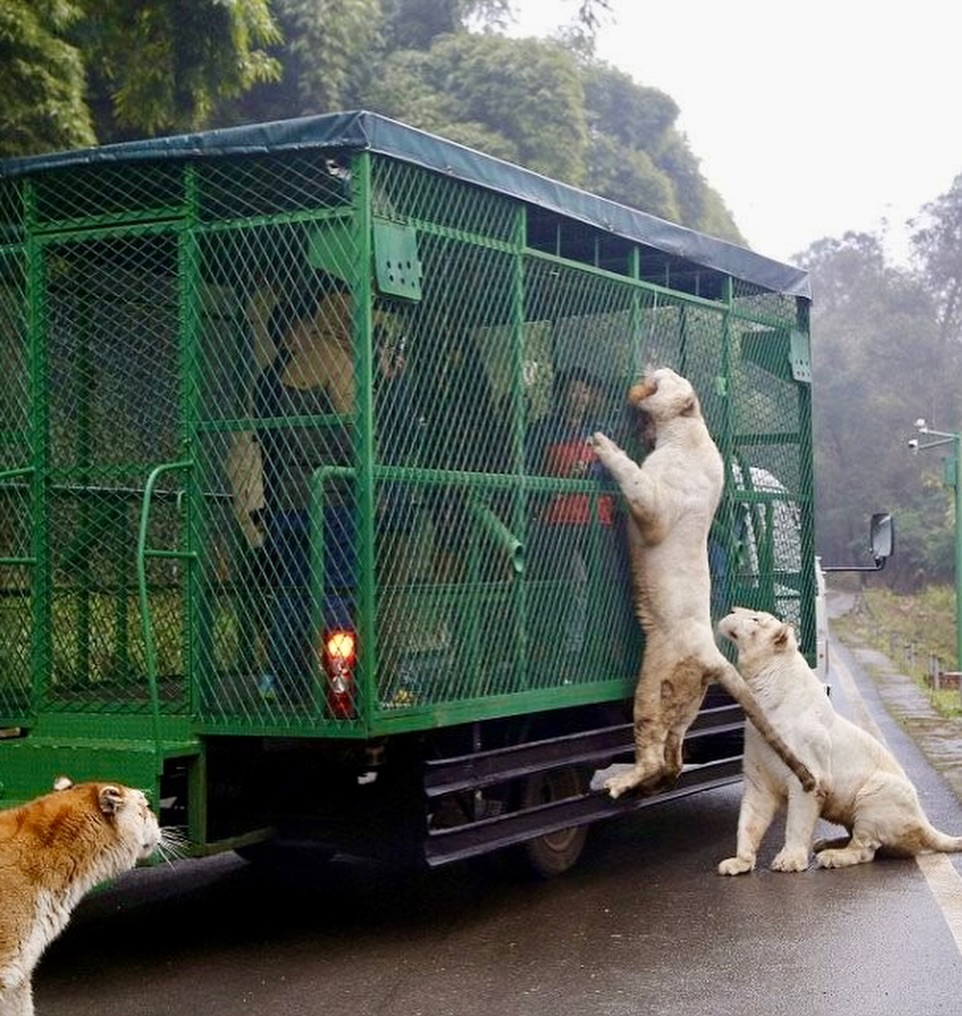
This design also changes how visitors perceive wildlife. Being enclosed while surrounded by free-roaming animals creates a powerful psychological shift. It reminds people that humans are guests in these environments—not the dominant presence. Many visitors report a stronger sense of respect for wildlife after the experience, along with a deeper understanding of animal behavior and space.
While safety remains a top priority, the zoo’s structure demonstrates how modern wildlife parks can balance education, conservation, and immersive tourism. By limiting human movement and expanding animal freedom, Lehe Ledu offers a glimpse into what zoos might look like when the focus shifts away from spectacle and toward coexistence.
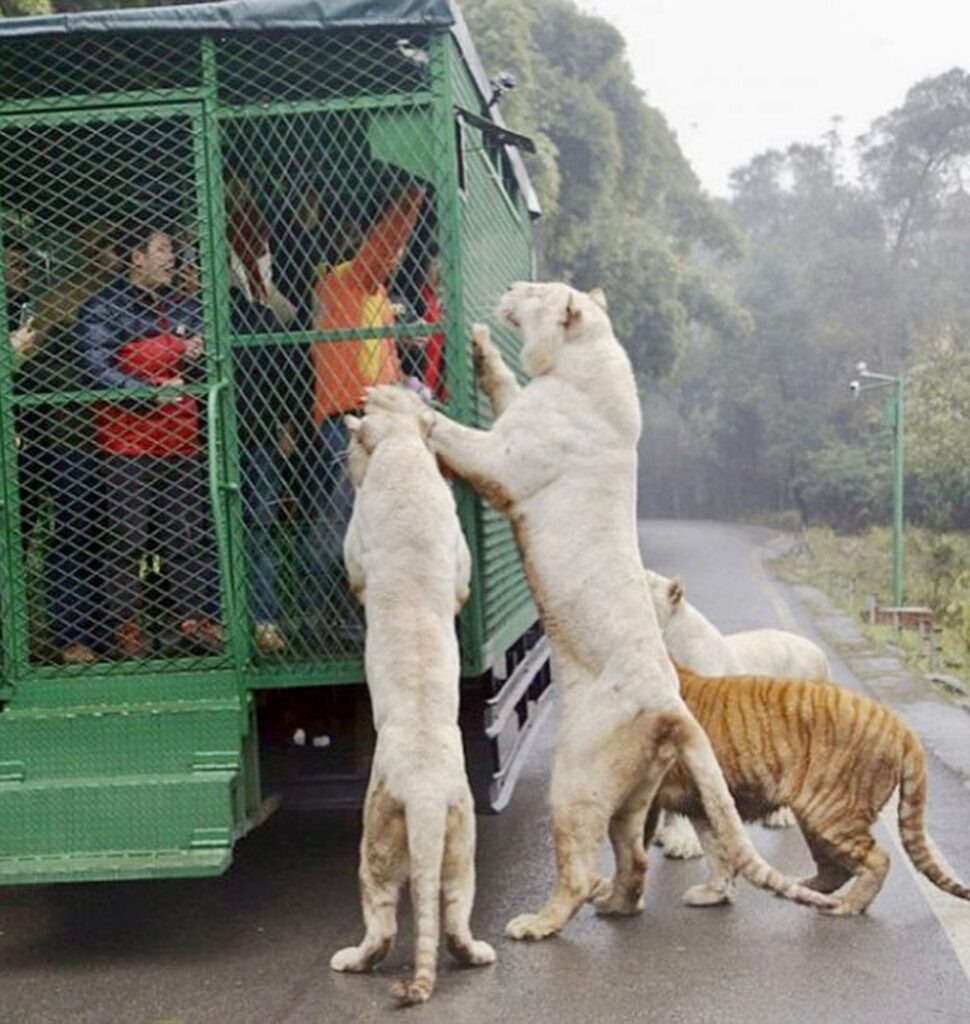
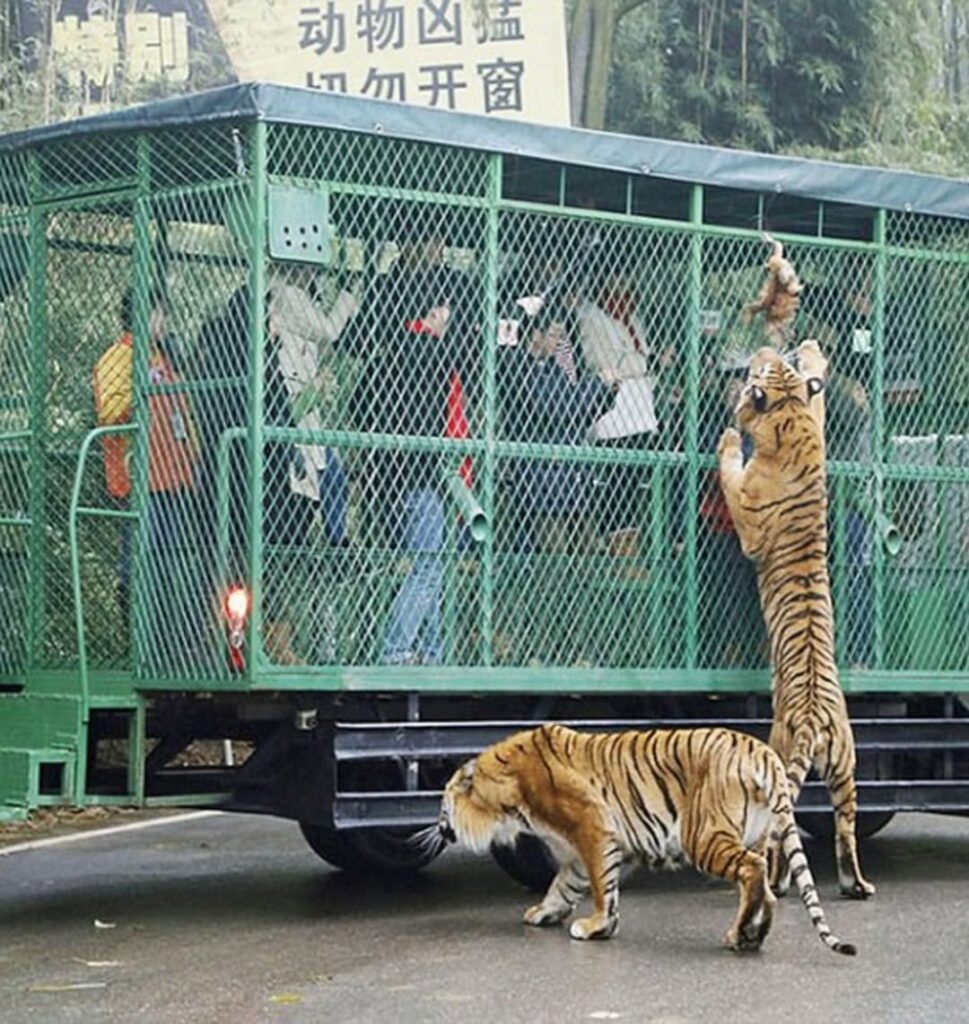
In a world increasingly aware of animal welfare, this “reversed zoo” stands as a striking example of how rethinking design can transform both the visitor experience and the lives of the animals themselves.
Experiences like drive-through wildlife parks are also reshaping global tourism and conservation investment. As interest grows in ethical travel, wildlife preservation, and immersive eco-tourism, destinations that prioritize animal welfare attract higher-value visitors, international partnerships, and conservation funding. This shift supports sustainable tourism models, wildlife protection programs, and environmental education initiatives—proving that responsible design can benefit both nature and local economies while redefining how humans interact with the natural world.
Leave a Reply