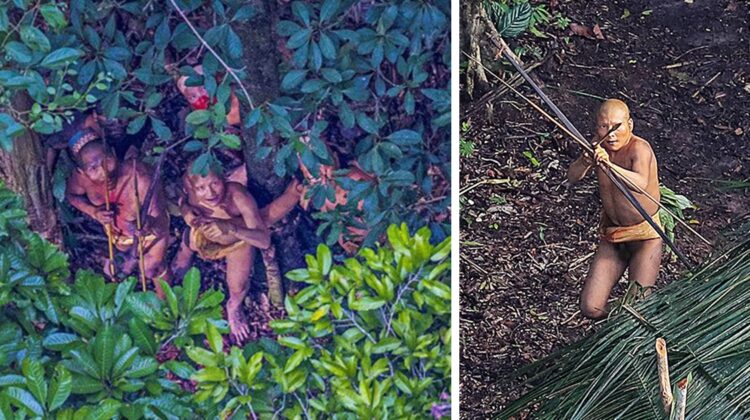
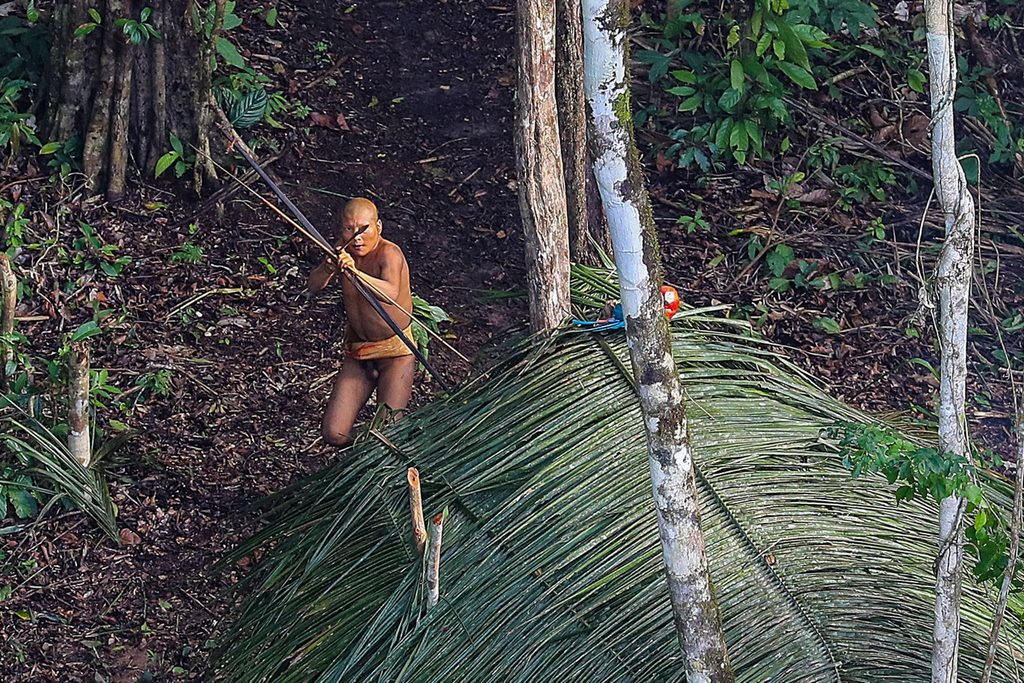
For the first time, an uncontacted tribe was captured on camera from the air in a section of the Brazilian Amazon currently being overrun by unauthorized gold miners. Without protection from encroaching outsiders, this tribe — which has preserved its way of life for thousands of years — faces a real risk of extinction.
What the Images Show
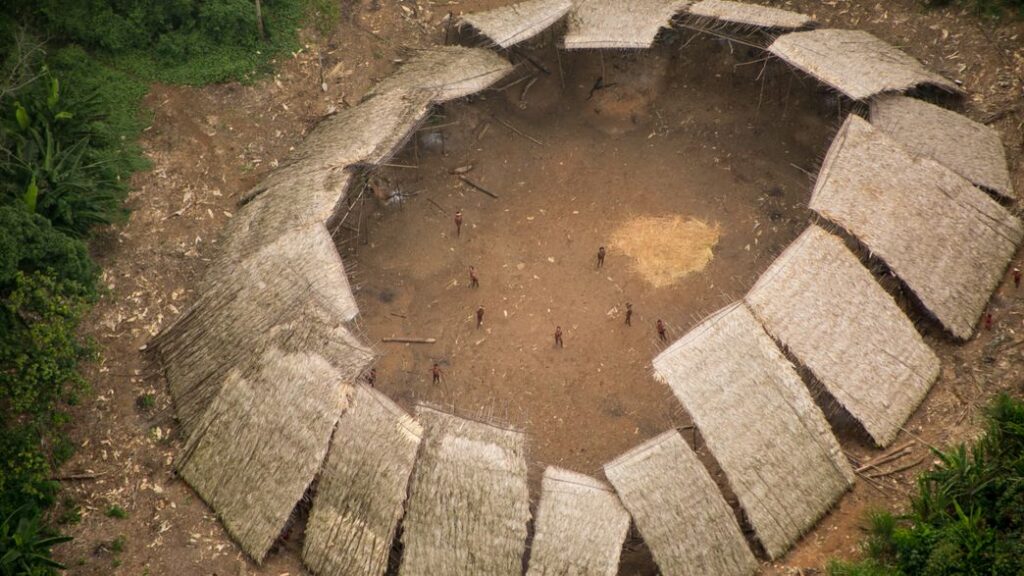
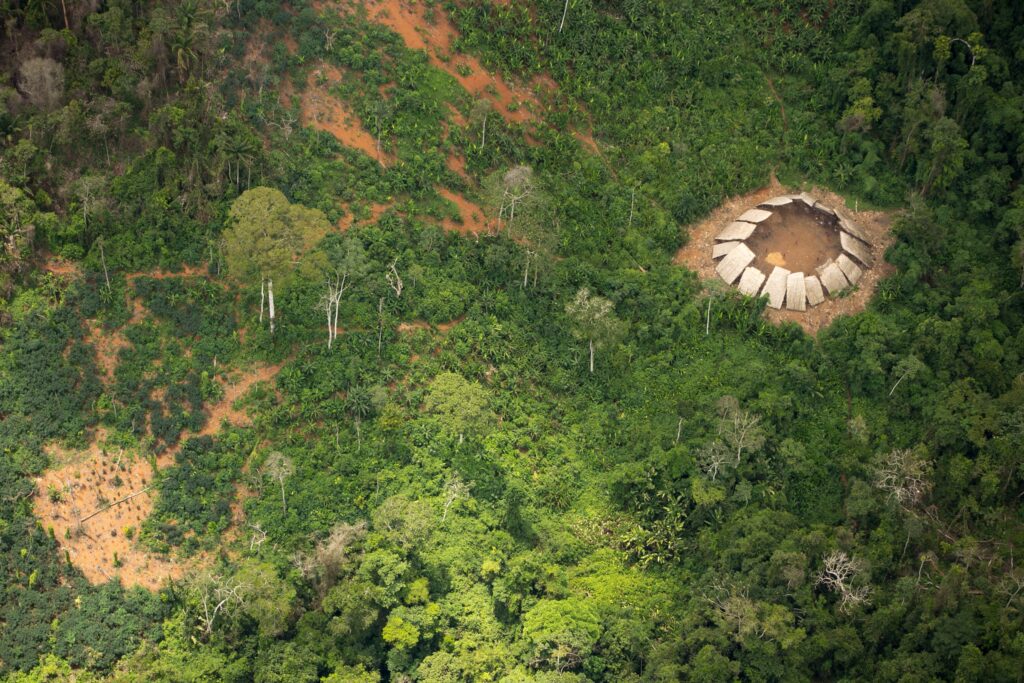
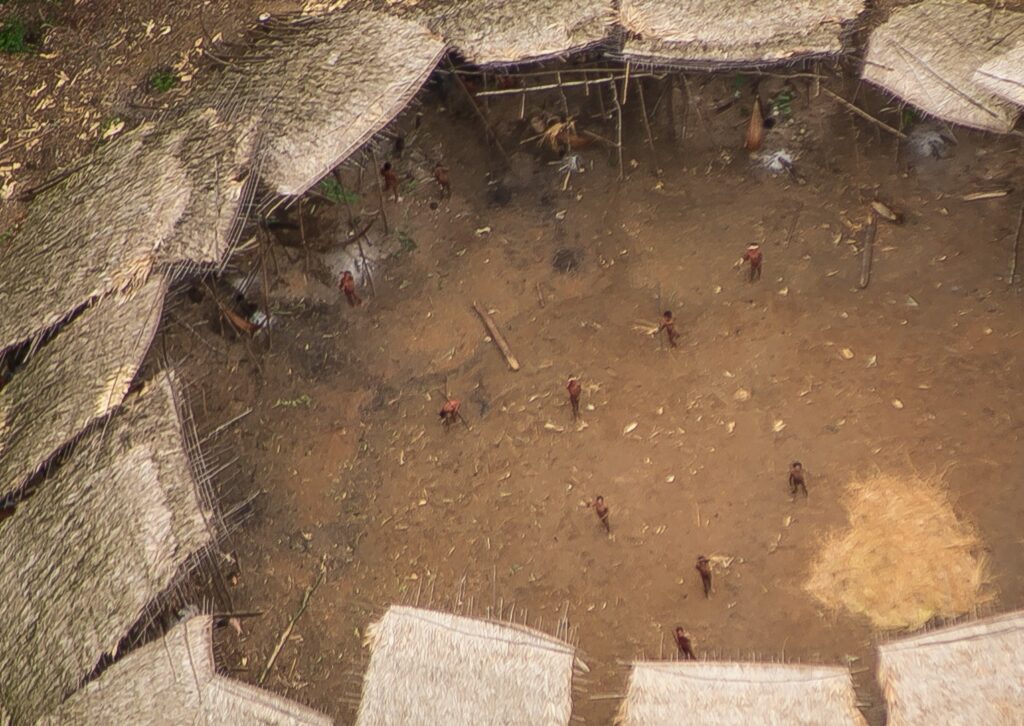
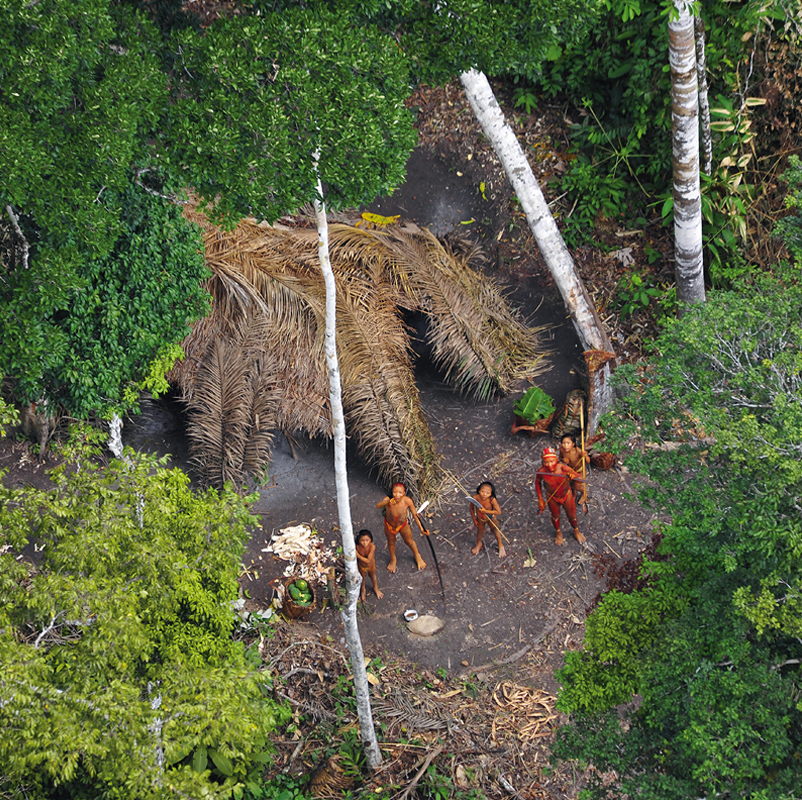
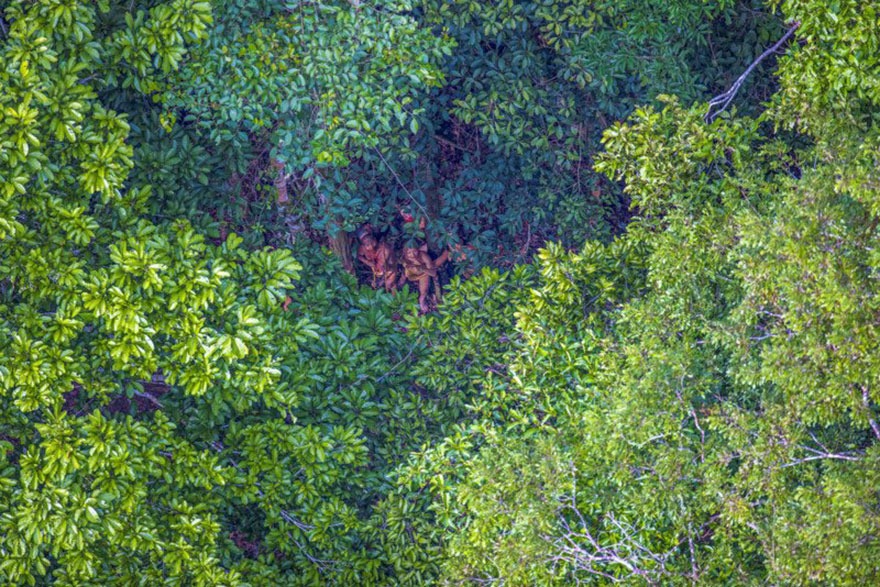
The photographs, taken from a government aircraft searching for illegal mining operations, show a communal structure known as a “yano” within land belonging to the Yanomami people. This territory has been formally protected since 1992 and is home to an estimated 22,000 to 30,000 people across multiple tribes — at least three of which have had no contact with the outside world, according to Survival International.
Each section of the yano houses a distinct family, with shared space for food storage, food preparation, and hammocks. The structure photographed is believed to house around 100 people.
A Population Living Beside 20,000 Miners
At the time these images were captured, an estimated 5,000 illegal miners were operating nearby. History offers a grim preview of what tends to happen when uncontacted communities and outside populations collide: disease the tribe has no immunity to, alongside direct violence. A report from earlier that year found illegal mining activity had already contaminated roughly 90% of Brazil’s indigenous Amazonian population with mercury.
“These remarkable photographs provide further evidence of the presence of still more uncontacted tribes,” said Stephen Corry, then-director of Survival International. “They are not primitive societies; rather, they are sophisticated modern communities whose rights must be upheld.” Corry’s warning to regional governments was direct: all uncontacted indigenous peoples face calamity unless their territory is actively safeguarded — and photographs alone, he stressed, would change nothing without enforcement to back them up.
What’s Happened Since: A Declared Humanitarian Emergency
Corry’s warning proved prescient. By January 2023, footage of starving and gravely ill Yanomami children had gone public, and newly inaugurated Brazilian President Luiz Inácio Lula da Silva declared a public health emergency in Yanomami territory within weeks of taking office. A government report found Yanomami children were dying of malnutrition at a rate 191 times the national average, driven by mercury-contaminated rivers, destroyed food sources, and mining-related violence that had also brought a documented rise in sexual violence and organized crime to the territory.
By that point, the number of illegal miners operating in the region had grown to an estimated 20,000 — a 300% increase over the preceding four years.
The Military Response
Lula’s government launched large-scale operations combining military, environmental agency, and federal police forces to remove miners from the territory, backed by more than 1 billion reais (roughly $182 million) in spending. By mid-2024, the government reported having carried out 1,000 separate operations within a five-month period, according to Mongabay.
The results have been mixed. While thousands of miners have been forced out and health workers have treated over 6,000 Yanomami people, an estimated 7,000 miners remained in the territory as of late 2024, and Mongabay’s reporting found the Brazilian military itself had, at points, obstructed food deliveries and failed to maintain airspace control meant to keep illegal supply flights out — undermining the very operation it was tasked with supporting.
Why This Still Matters
Yanomami territory spans an area roughly twice the size of Switzerland, spread across remote rainforest that makes sustained enforcement extraordinarily difficult. Indigenous leader Davi Kopenawa, who traveled to the United States in 2023 to press the issue directly with the UN Secretary-General, summarized the stakes bluntly: “They want to steal our land and destroy our nature, our water. They are bringing disease. That’s why we’re here.”
The crisis illustrates something Corry’s original warning anticipated: legal protection on paper — this territory has technically been protected since 1992 — means little without the enforcement capacity and political will to back it up.
Frequently Asked Questions
Is the Yanomami crisis over now? No — while large-scale government operations have removed many miners and reduced some of the worst humanitarian harms since 2023, reporting through 2024 indicates thousands of illegal miners remain in the territory and enforcement gaps persist.
Why is contact with uncontacted tribes so dangerous for them specifically? Uncontacted populations typically have no immunity to common outside diseases, meaning even minor illness introduced by outsiders can spread with devastating, sometimes lethal effect through a community with no prior exposure.
What triggered Brazil’s government to finally declare an emergency? Public outrage following the release of footage showing severely malnourished and sick Yanomami children in January 2023 is widely credited with prompting the incoming Lula administration’s swift emergency declaration and crackdown.
Sources: Survival International, CNN, Mongabay, Al Jazeera, and Rainforest Foundation US, cited above.
I do hope these people get some protection.Greed causes people to become inhumane. leave these people alone,they are just living their lives,minding their own business.