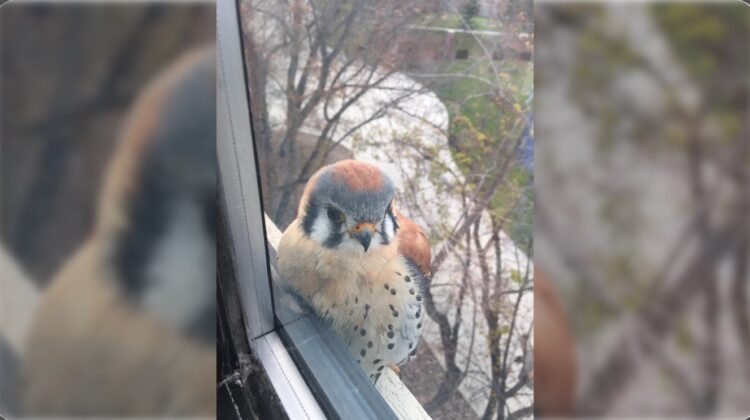
The American Kestrel, also known as the Sparrow Hawk, is the smallest and most common falcon in North America. A remarkable bird of prey, this striking raptor is recognized for its agile flight and vibrant plumage. If you’re passionate about wildlife, falcons, or birdwatching, this guide will provide you with in-depth insights into the American Kestrel, its habits, habitat, and conservation efforts. Whether you’re looking to understand more about North American birds or interested in falconry, this article is the perfect place to start.
Overview of the American Kestrel
The American Kestrel (Falco sparverius) holds the title of being the most widespread falcon in North America. From Canada to Mexico, these birds can be found in various ecosystems, making them an essential part of North America’s avian diversity. Their small size, vibrant colors, and unique hunting style make them fascinating creatures for nature enthusiasts.
According to the Cornell Lab of Ornithology’s All About Birds and the Audubon field guide, the American Kestrel is currently classified as a species of Least Concern by the IUCN. However, Audubon’s American Kestrel Partnership has documented notable regional population declines in recent decades, largely attributed to habitat loss, competition for nesting cavities, and pesticide exposure. (Sources: allaboutbirds.org, audubon.org/field-guide/bird/american-kestrel)
Physical Characteristics of the American Kestrel
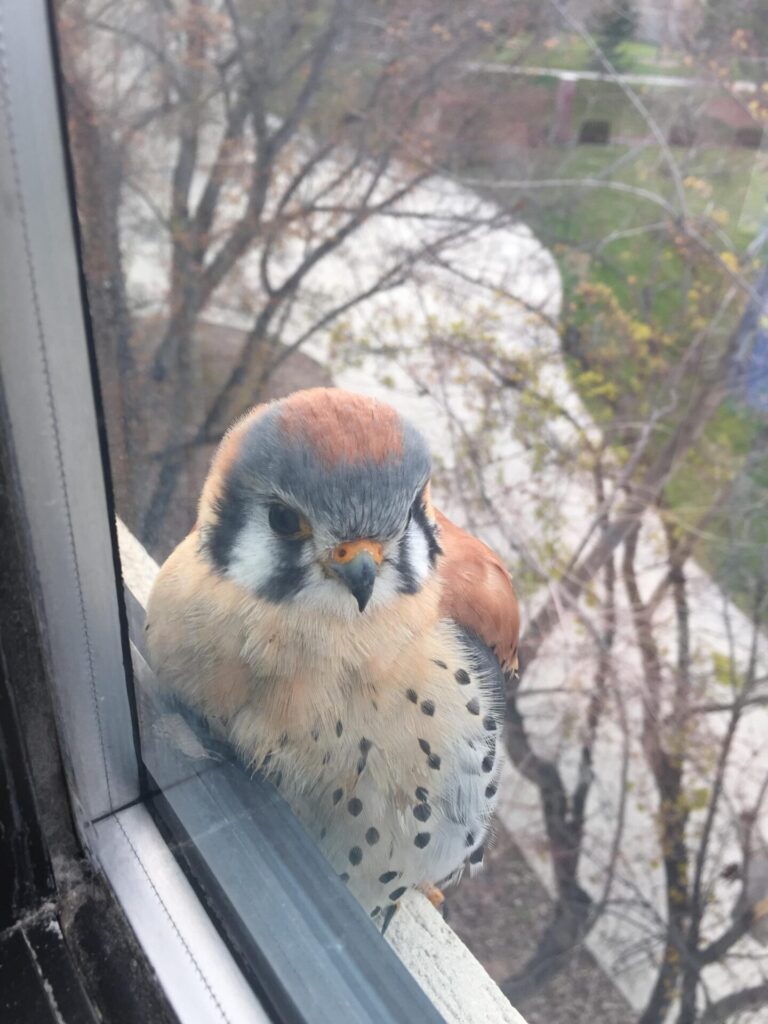
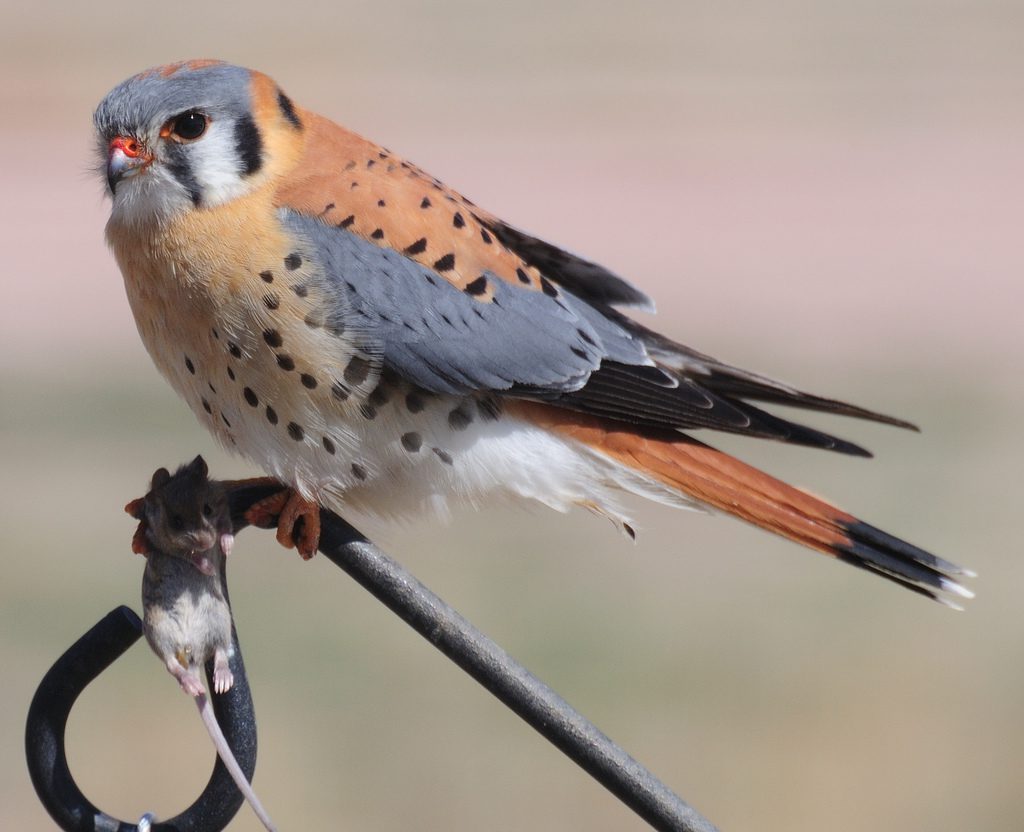
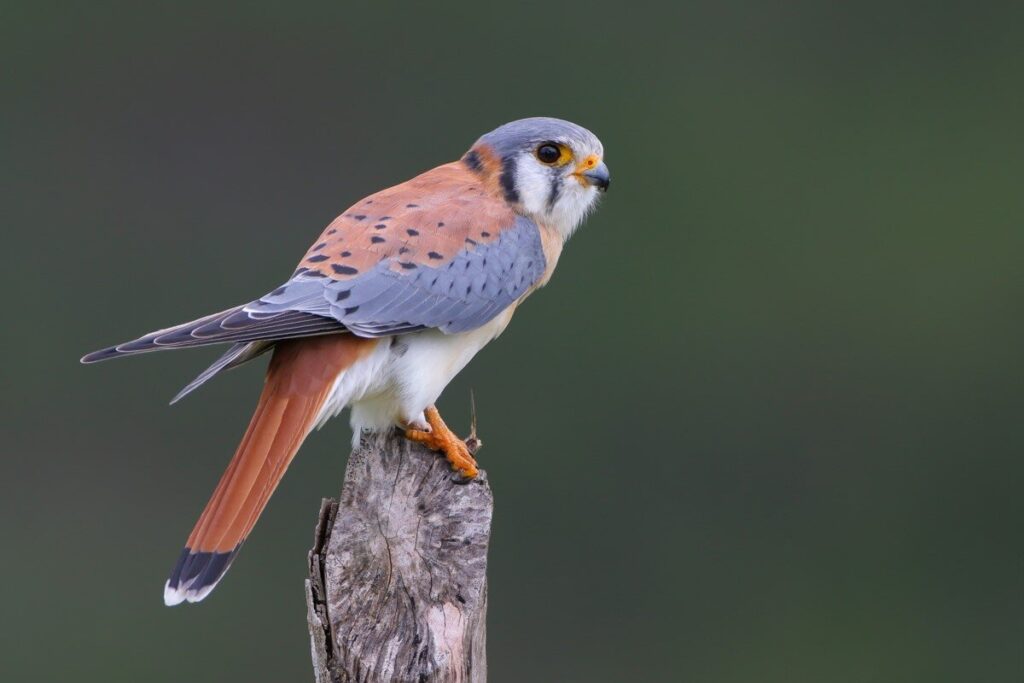
One of the defining features of the American Kestrel is its small stature, with males measuring around 8 to 12 inches in length and females slightly larger. The Sparrow Hawk is distinguished by its colorful feathers, including a blue-gray back, rufous wings, and a characteristic black-marked face. Their sharp talons and keen eyesight make them skilled hunters, capable of spotting prey from great distances.
Habitat and Distribution
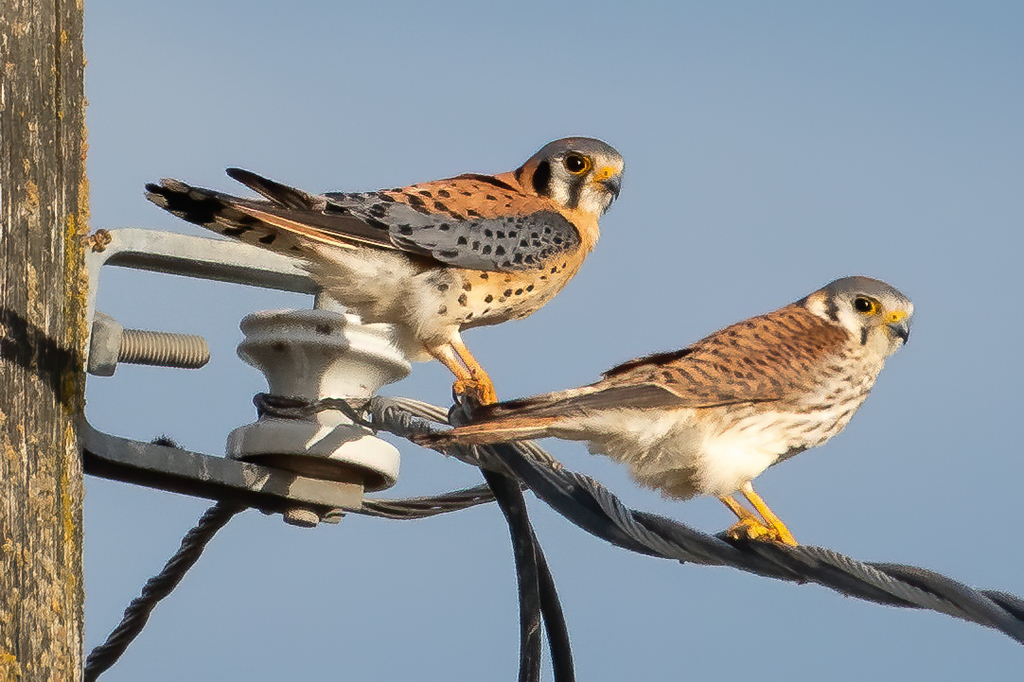
The American Kestrel can be found across various habitats, including open fields, grasslands, and urban areas. They are highly adaptable birds, often seen perched on telephone poles or hunting from elevated spots. In the wild, they thrive in both rural and suburban landscapes, where prey such as insects, small mammals, and other birds are abundant.
Hunting and Diet
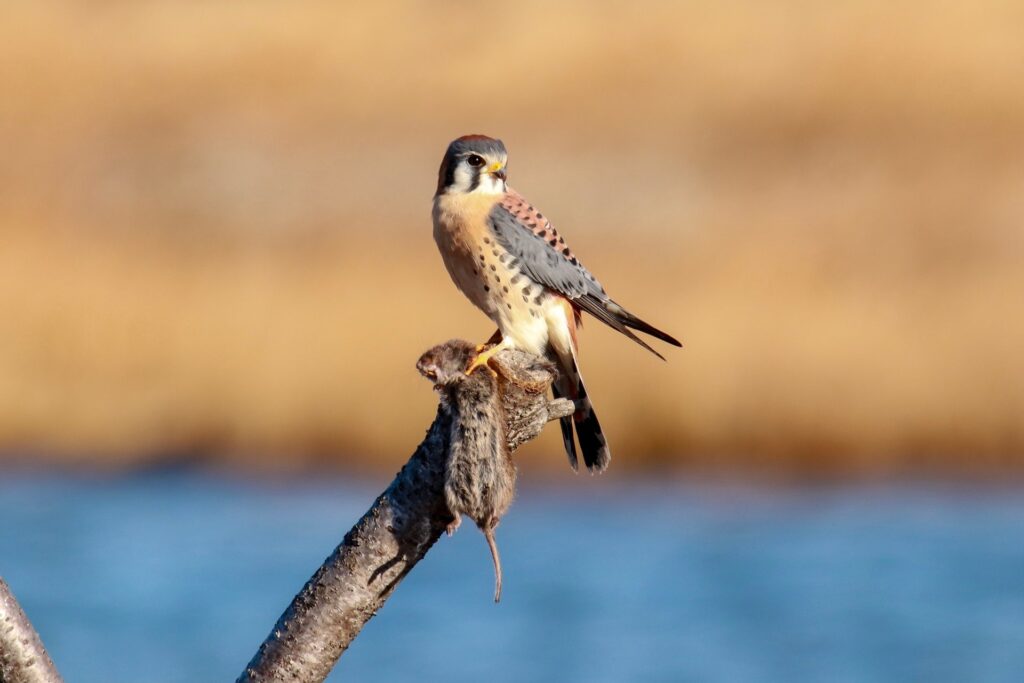
As a bird of prey, the American Kestrel hunts primarily by sight. It uses its exceptional vision to spot small animals, diving at high speeds to capture prey. The Sparrow Hawk is known to eat a variety of food, including grasshoppers, mice, and even small birds. This makes them an important part of controlling pest populations in their ecosystems.
Conservation Efforts for the American Kestrel
While the American Kestrel is not currently listed as endangered, some populations have shown a decline in recent years. Habitat loss due to urbanization, agricultural practices, and the use of pesticides are among the leading threats. Conservation efforts are critical to preserving this remarkable bird, and several organizations are working to ensure that the American Kestrel continues to thrive across North America.
Falconry and the American Kestrel
The American Kestrel is often used in the ancient art of falconry due to its small size, agility, and hunting prowess. Falconers value kestrels for their ability to catch small game while being manageable in size compared to larger falcons. Many enthusiasts enjoy training and caring for kestrels as part of the falconry tradition, which has roots going back centuries.
Fun Facts about the American Kestrel
- The American Kestrel is known for its “kleeek” call, a sharp sound used to communicate with other kestrels.
- Male kestrels are typically more colorful than females, with brighter plumage and a more vivid face pattern.
- Despite their small size, Sparrow Hawks are fierce predators, capable of taking down prey larger than themselves.
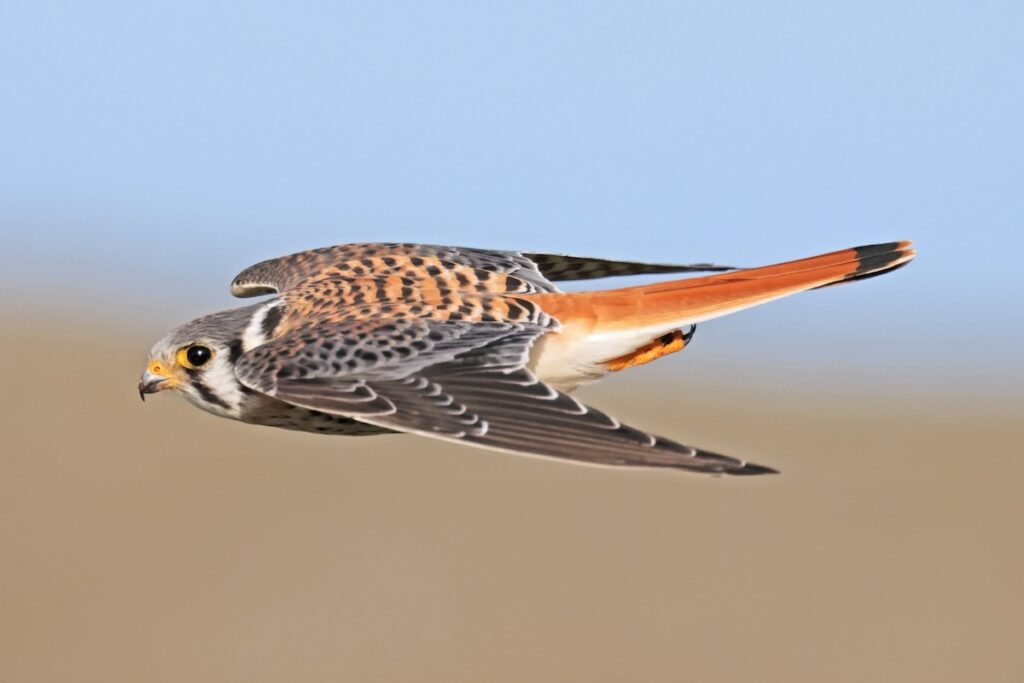
- These falcons can hover in mid-air, using their tail feathers for stabilization while they search for prey.
Why the American Kestrel is a Vital Part of North America’s Ecosystem
The American Kestrel plays a crucial role in maintaining the balance of nature. By controlling the populations of small mammals and insects, they contribute to the health of their habitats. Their presence is also a sign of a healthy environment, making them an important species to protect.
How to Spot an American Kestrel in the Wild
If you’re an avid birdwatcher or just curious about spotting the American Kestrel in your area, here are some tips:
- Look for them perched on telephone poles, fence posts, or trees.
- Observe them flying in open fields, especially during early mornings or late afternoons.
- Listen for their high-pitched call, which can help you identify them from a distance.
Gear for Spotting Kestrels in the Wild
If you’d like to start observing American Kestrels yourself, a few simple tools make a big difference:
- Compact 8×42 binoculars — the standard choice for birders; enough magnification to identify a perched kestrel from a distance without being too heavy for daily use.
- A field guide to North American raptors (such as Sibley or Peterson) — helps distinguish kestrels from similarly sized hawks and falcons.
- A birding log or app — useful for tracking sightings by season, since kestrels are migratory across much of their northern range.
- A nest box kit — for those who want to attract kestrels to their own property, especially in areas with limited natural tree cavities.
Frequently Asked Questions (FAQ)
Is the American Kestrel dangerous to humans? No. The American Kestrel poses no threat to humans. It’s a small raptor that primarily hunts insects, small rodents, and occasionally small birds.
What is the difference between an American Kestrel and a Sparrow Hawk? They are the same bird. “Sparrow Hawk” is an older, informal name for the American Kestrel, though it’s not a true hawk — it belongs to the falcon family (Falconidae).
How can you tell a male from a female American Kestrel? Males have blue-gray wings and a more vividly patterned face, while females are browner overall with less contrast in their plumage. Females are also slightly larger than males.
Where do American Kestrels nest? They nest in tree cavities, abandoned woodpecker holes, or nest boxes installed by birdwatchers and conservationists, since natural cavities are becoming less available in many areas.
Is the American Kestrel endangered? No, it’s currently listed as Least Concern by the IUCN. However, some regional populations in North America have declined, which is why ongoing conservation efforts remain important.
What do American Kestrels eat? Mainly insects like grasshoppers and beetles, along with small rodents, lizards, and occasionally small birds.
The American Kestrel, or Sparrow Hawk, is not just a symbol of North American wildlife but a vital player in maintaining the ecological balance. Whether you’re observing these magnificent birds in the wild or learning more about their role in falconry, the American Kestrel continues to captivate birdwatchers and nature enthusiasts across the continent. Protecting this iconic raptor ensures that future generations can enjoy its beauty and ecological importance.
Leave a Reply