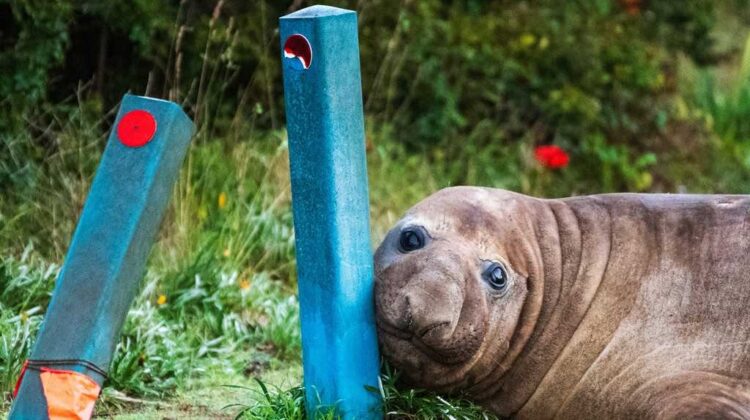
Australian wildlife officials are urging the public to give a popular elephant seal known as Neil the space he needs after his growing fame attracted large crowds and increased concerns about human-wildlife interactions.
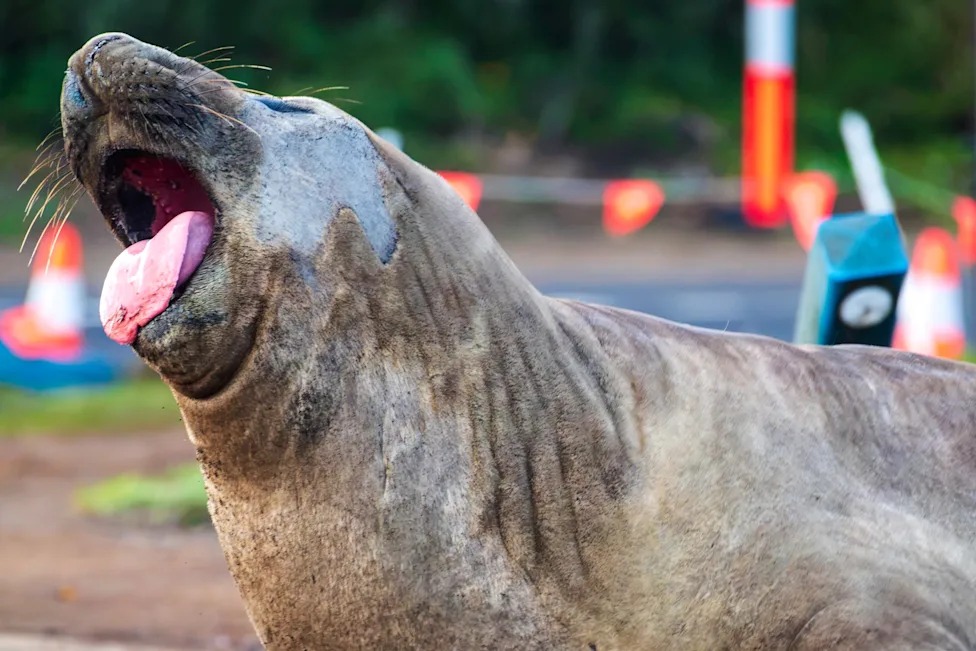
Neil, a five-year-old southern elephant seal weighing around 1,000 kilograms (2,200 pounds), has become an unlikely celebrity in the island state of Tasmania, where he regularly returns to coastal communities after spending months feeding at sea.
The massive marine mammal, who has gained a social media following of more than 1.4 million people, is currently on one of his routine visits ashore. His presence has drawn widespread attention from residents, tourists, and online fans alike.
While much of the public fascination has been light-hearted, authorities say Neil’s popularity is creating challenges for both the animal and the communities he visits.
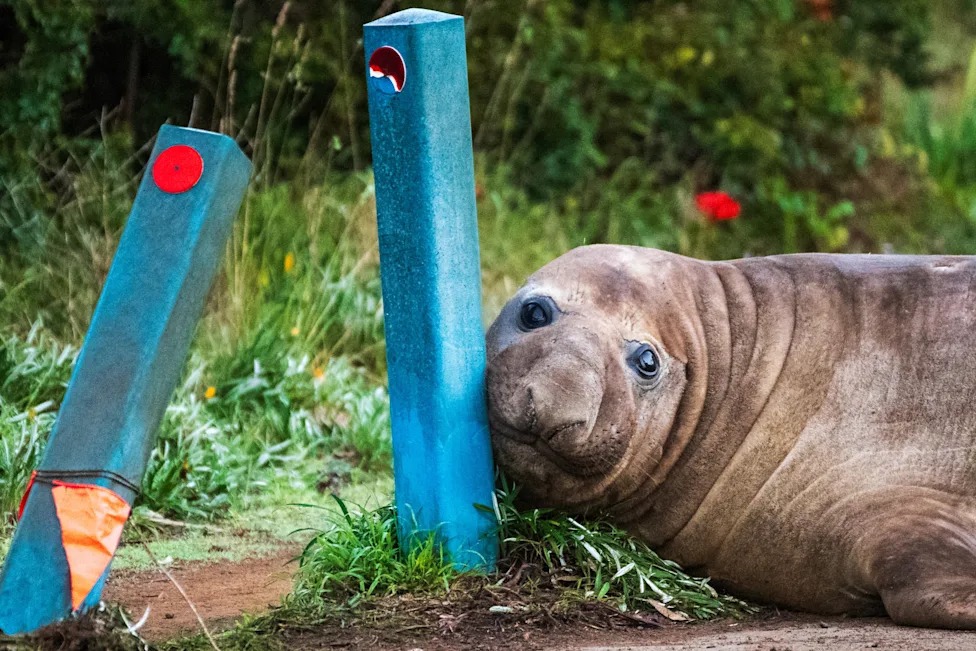
During his latest stay, Neil has damaged traffic bollards, knocked over signs, and broken through fencing designed to keep him away from busy roads. At other times, he has simply chosen to rest in the middle of streets or public spaces, temporarily disrupting local traffic and daily activities.
Despite the inconvenience, wildlife experts say the seal’s behavior is largely natural.
According to Sophia Volzke, an elephant seal researcher at the University of Tasmania, young male elephant seals often engage in playful and exploratory behavior as they prepare for adulthood.
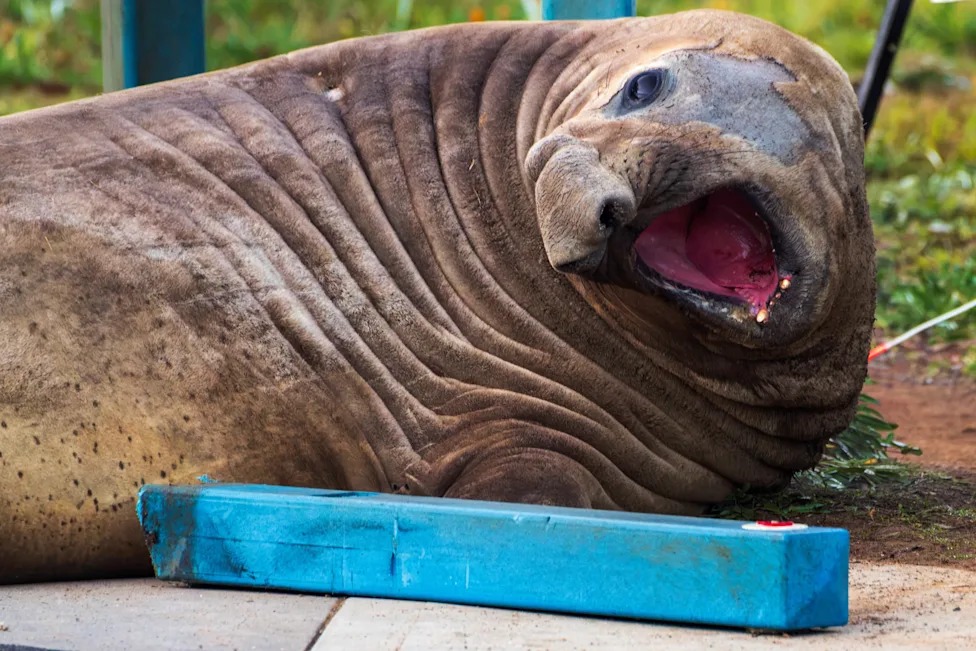
Adult males compete for breeding opportunities through physical contests in which they rear up and crash into one another. As Tasmania currently has no other young male elephant seals nearby, Neil has been left to practice his strength and curiosity on man-made objects instead.
Officials, however, are increasingly concerned that members of the public may get too close in an attempt to photograph or film the animal.
Speaking at a news conference in Hobart, Kris Carlyon of Tasmania’s Department of Natural Resources and Environment said wildlife officers had observed people bringing small children close to the seal to capture photographs for social media.
“Neil’s fame is a bit of a double-edged sword,” Mr Carlyon said, warning that such behavior could place both people and the animal at risk.
Authorities have also asked residents not to publicly reveal Neil’s exact location while he is resting ashore. They fear growing crowds could force wildlife officers to relocate the seal, a process that would present additional challenges and stress for the animal.
Officials pointed to previous cases involving famous marine mammals, including a walrus named Freya in Norway that attracted large crowds before being euthanised in 2023 due to concerns about public safety.
“There is a risk here of essentially loving Neil to death,” Mr Carlyon said.
Elephant seals routinely return to land twice a year to rest, shed fur, and fast before returning to sea. While females have occasionally been seen on Tasmania’s coastline, Neil is currently the only male elephant seal regularly visiting the area.
Researchers believe his mother likely came from breeding colonies located on sub-Antarctic islands south of Tasmania. Wildlife experts say the appearance of elephant seals in areas where they were once more common may reflect broader ecological changes and the gradual return of species to parts of their historical range.
Dr Volzke said communities may need to adapt as wildlife increasingly shares coastal environments with people.
“We do need to find a way to coexist,” she said.
Neil’s future remains uncertain. If he survives to full maturity, he could grow to approximately five metres (16 feet) in length and weigh as much as three times his current size. However, researchers note that only a small proportion of male elephant seals survive long enough to reach breeding age.
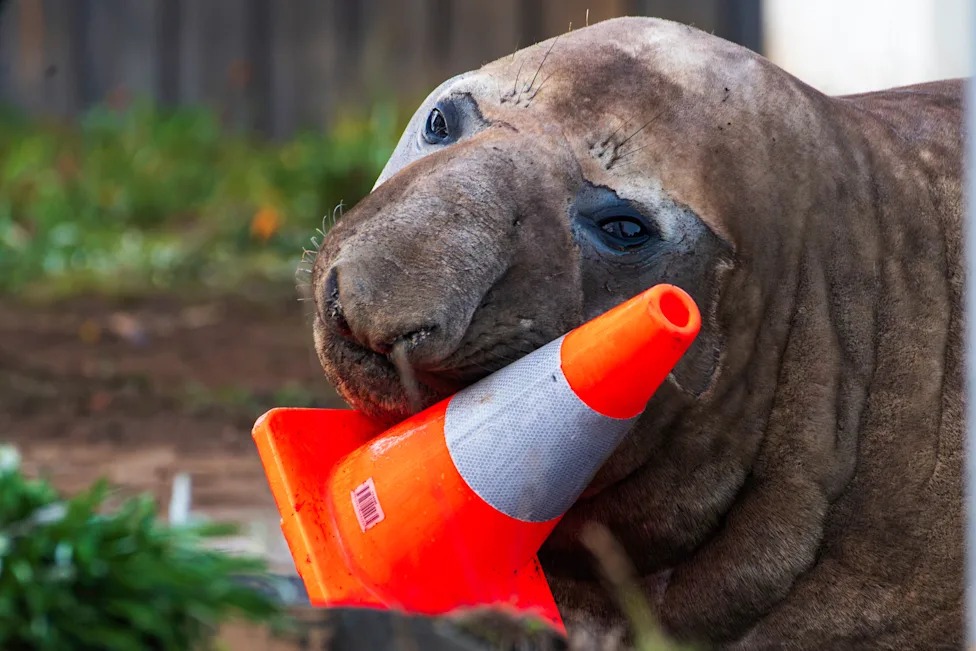
For now, Neil continues to attract attention wherever he settles. During his current visit, he has spent much of his time resting on a section of pavement, occasionally interacting with nearby traffic cones and delighting thousands of followers online.
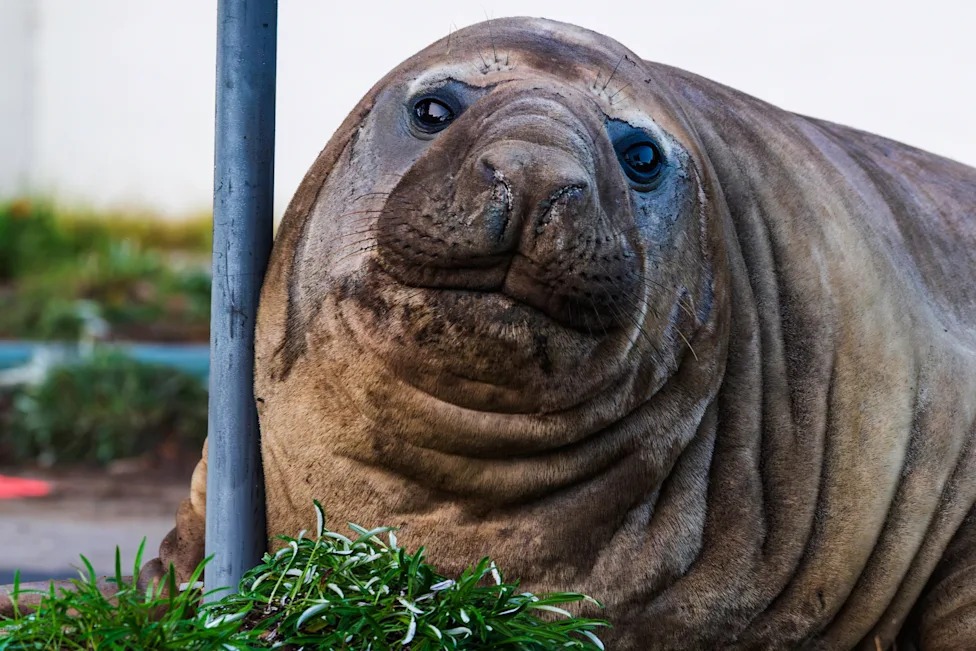
Local resident Dale Creamer summed up the seal’s unusual status by saying: “He’s one of our biggest exports at the moment. It’s Neil’s world and we’re just living in it.”
Neil’s story highlights the growing challenges of wildlife conservation, human-wildlife coexistence, and responsible tourism in the age of social media. Conservation experts emphasize that maintaining safe distances from wild animals helps protect both people and wildlife while reducing the need for costly intervention by emergency wildlife services. As ecotourism continues to expand globally, investment in wildlife management, environmental conservation programs, public safety education, and habitat protection remains essential for safeguarding vulnerable species and preserving natural ecosystems.
Leave a Reply