• Skip to main content
  • Skip to primary sidebar
  • Skip to footer
  • Home
  • About Us
  • Copyright Report
  • Submit Content
  • Terms
  • Privacy Policy
  • Legal Disclaimer

Hasan Jasim

Hasan Jasim is a place where you may get entertainment, viral videos, trending material, and breaking news. For a social generation, we are the largest community on the planet.

Be Careful Of What you Whisper in the Forest, for Trees have Ears

by Hasan Jasim Editorial Team Leave a Comment

ShareTweet

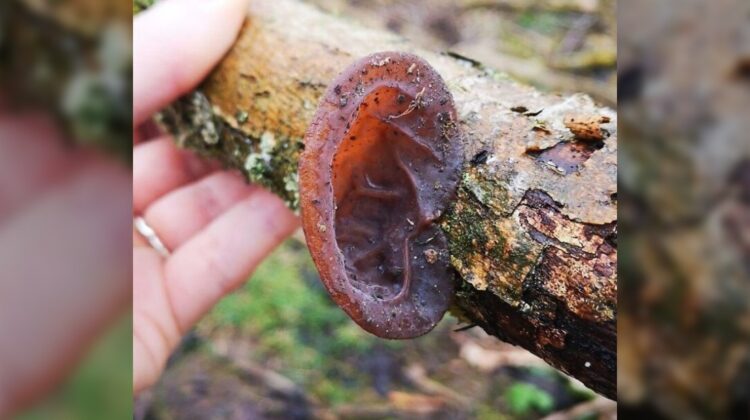
Auricularia auricula-judae, commonly known as the Jelly Ear Fungus, is a fascinating species typically found during the winter and spring. It predominantly thrives on deceased elder trees, although it can occasionally be spotted on other hardwoods. While grouped under the term “Jelly Fungi,” these mushrooms don’t belong to a specific taxonomic category but are characterized by their jelly-like texture. Notably, they can rehydrate and continue to produce spores when moist after drying.
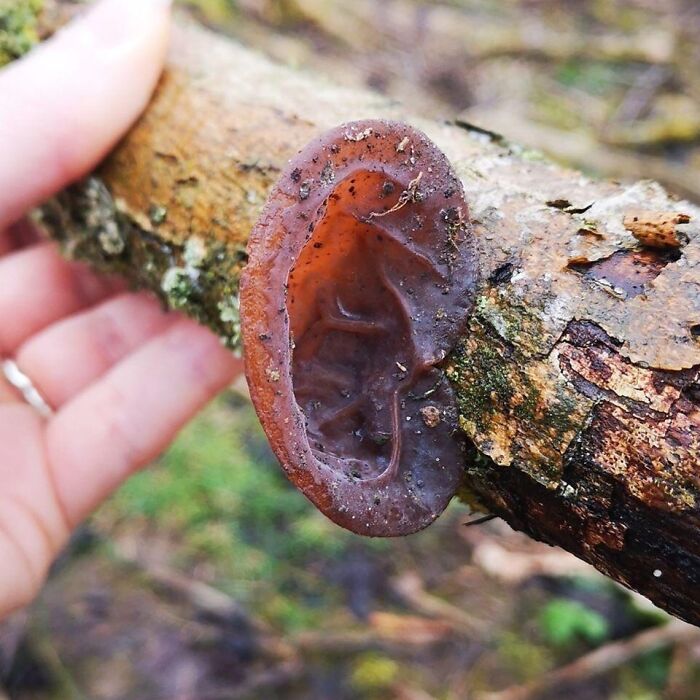
The Jelly Ear Fungus is fairly common in regions like Britain, Europe, Asia, and parts of North America. It is typically found in damp and shaded locations on dead elder wood. These peculiar fungi are also found in Australia and various parts of Asia.
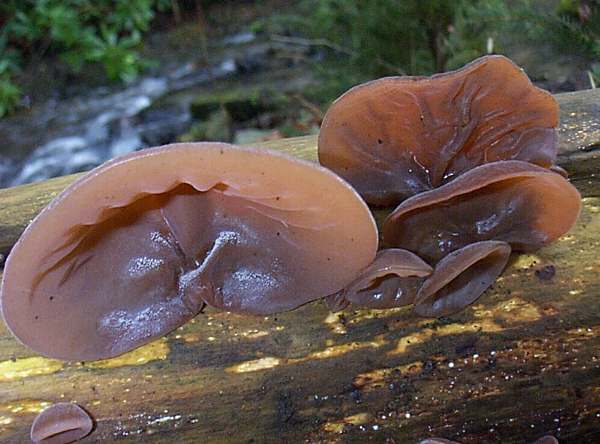
Scientifically, this fungus was first described in 1789 by Jean Baptiste François Bulliard, initially named Tremella auricula-judae. Over time, it underwent changes in its taxonomic classification before being placed in its present genus in 1897 by Austrian botanist-mycologist Richard Wettstein.
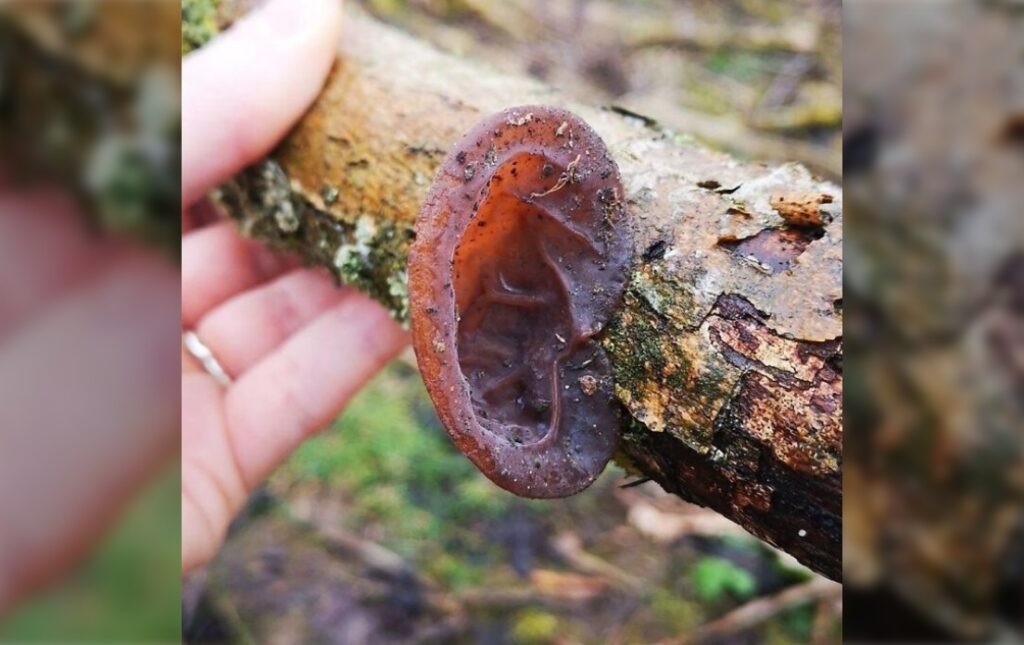
The name “Auricularia” is derived from the Latin word for “ear,” while “Judae” alludes to Judas, the biblical figure known for betraying Jesus. However, it’s important to note that referring to this species using the common name “Jew’s Ear fungus” is considered derogatory.
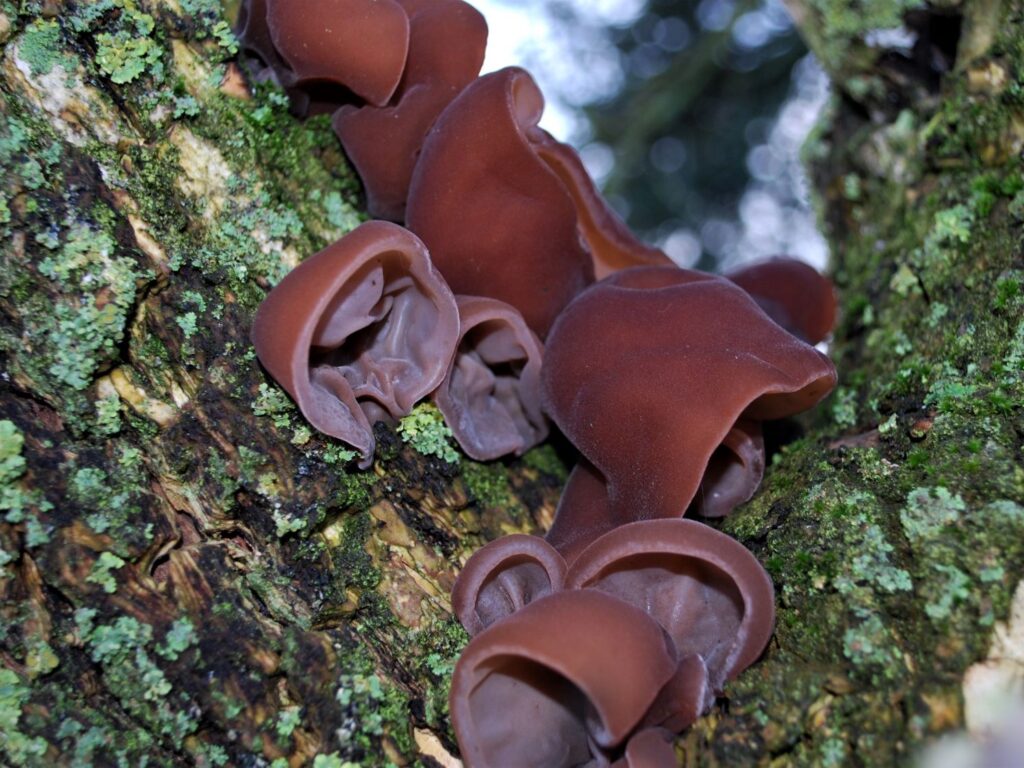
In culinary applications, Jelly Ear Fungus can be used for its unique texture, especially when the specimens are young and fresh. While it doesn’t boast a strong flavor, it adds an interesting element to various dishes.

Filed Under: Trends Worldwide Tagged With: Chaga Mushroom, Cordyceps, Culinary fungi for Asian cuisine, home gardening tips, Lion's Mane, Maitake Mushroom, Morel Mushroom, Natural composting methods, Oyster Mushroom, Porcini Mushroom, Reishi Mushroom, Shiitake Mushroom, Sustainable gardening practices, Truffle Mushroom, Unique edible fungi

Reader Interactions

Leave a Reply Cancel reply

Your email address will not be published. Required fields are marked *

Primary Sidebar

More to See

Throughout history, sailors have mistaken Beluga Whales for mermaids because of their human-like knees

By Hasan Jasim Editorial Team

The Cat’s Afternoon Nap in the Cardboard Box Doesn’t Go Quite Right

By Hasan Jasim Editorial Team

Mailman Discovers Dog Collapsed On Side Of Road And Knows What He Must Do

By Hasan Jasim Editorial Team

Exploring the Diversity and Functionality of Claws and Talons: A Review of the Bone Clones Set of 31 Specimens

By Hasan Jasim Editorial Team

A Diver, a Whale, and a Moment That Changed Millions

By Hasan Jasim Editorial Team

Incredible Origami Artistry: A Three-Month Journey to Craft a Striking Samurai

By Hasan Jasim Editorial Team

Scientists Resurrect 48,500-Year-Old “Zombie Virus” Buried in Ice

By Hasan Jasim Editorial Team

Footer

ABOUT HASANJASIM.ONLINE

Hasanjasim.online is a digital platform dedicated to publishing well-researched articles about the animal kingdom, nature, and the environment. Our editorial team works to source stories from credible outlets, scientific research, and verified reports, aiming to inform as much as we entertain. From wildlife conservation and animal behavior to natural wonders and environmental science, we cover the topics that help readers better understand and appreciate the natural world. Whether you're a lifelong nature lover or simply curious about the planet we share, Hasanjasim.online aims to be a trustworthy destination for stories worth reading — and worth citing.

Recent

  • Dog Surrendered To Shelter With His Bed And All His Toys
  • Euphorbia Hirta (Asthma-Plant): Traditional Uses, Preparation Methods, and Safety Guide
  • What Gelatin Actually Is — and How It Ends Up in Gummy Bears
  • Two Minnesota Solar Farms Turned the Ground Beneath Their Panels Into Habitat — and Native Bees Increased 20-Fold
  • A Donkey Handler Attacked a PETA Activist on Santorini — Here’s What’s Happened Since
  • The “Bunny Harvestman”: A Tiny Amazon Arachnid Discovered in 1959 That Looks Like a Rabbit’s Head
  • If You See This Geometric Mass in Your Garden, Don’t Touch It

Search