
Avocado is often praised as a “superfood” because it contains healthy fats, fiber, potassium, folate, and several vitamins. For many people, it can be part of a balanced diet. However, avocado is not suitable for everyone. Some people may need to avoid it completely, while others should limit their intake or speak with a healthcare professional before eating it regularly.
1. People With Avocado Allergy
The most obvious group who should avoid avocado is anyone with a known avocado allergy. Although avocado allergy is not as common as peanut or shellfish allergy, it can still cause uncomfortable or serious reactions. Symptoms may include itching in the mouth, swelling of the lips or throat, nausea, stomach pain, vomiting, sneezing, skin rash, or difficulty breathing. Medical News Today notes that avocado allergy may be connected to latex allergy and can cause symptoms ranging from mild irritation to breathing problems.
People who notice repeated discomfort after eating avocado should stop eating it and talk to a doctor or allergist. Severe symptoms such as throat swelling, wheezing, or trouble breathing should be treated as an emergency.
2. People With Latex Allergy

People with latex allergy should be especially careful with avocado. This is because of something called latex-fruit syndrome. Some proteins in avocado are similar to proteins found in natural rubber latex, so the immune system may confuse one for the other. Allergy & Asthma Network explains that people with latex allergy may react to certain fruits and vegetables, and avocado is one of the commonly linked foods.
Other foods often linked with latex-fruit syndrome include banana, kiwi, chestnut, papaya, and sometimes tomato or passion fruit. Not everyone with latex allergy reacts to avocado, but anyone with a history of latex reactions should be cautious and ask a healthcare provider before eating it regularly.
3. People With Oral Allergy Syndrome
Some people experience itching, tingling, or swelling in the mouth and throat after eating fresh fruits or vegetables. This may be oral allergy syndrome, also known as pollen-food syndrome. It happens when the immune system reacts to proteins in certain raw foods that resemble pollen proteins. Health New Zealand describes oral allergy syndrome as a type of food allergy that can happen after eating certain foods, especially in people with pollen allergies.
For some individuals, avocado may trigger this kind of reaction. Symptoms are usually mild, but they can still be uncomfortable. If avocado causes mouth itching, throat irritation, or swelling, it is best to avoid it until a doctor gives proper advice.
4. People Taking Certain Medications
People taking blood thinners or medications that affect potassium levels should not suddenly eat large amounts of avocado without medical guidance. Avocado contains vitamin K and potassium, both of which may matter for people on specific medicines. Verywell Health notes that avocados may interact with some medications, including blood thinners and potassium-increasing drugs.
This does not mean everyone on medication must avoid avocado completely. The key is consistency and moderation. Anyone taking prescription medication for the heart, blood pressure, kidney disease, or blood clotting should ask a doctor or pharmacist how avocado fits into their diet.
5. People With Kidney Problems or Potassium Restrictions
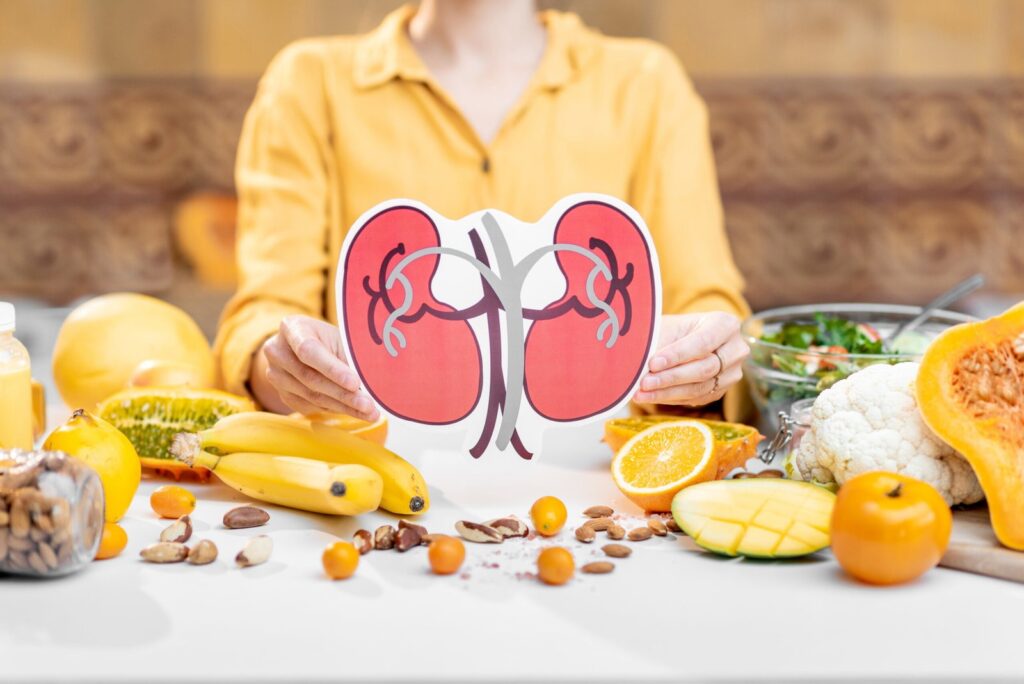
Avocados are naturally high in potassium. Potassium is important for healthy muscles and nerves, but people with kidney disease may have trouble removing extra potassium from the blood. Too much potassium can be dangerous for people who have been told to follow a low-potassium diet.
For this reason, people with chronic kidney disease or those on dialysis should not assume avocado is safe just because it is natural. They should follow their dietitian’s advice and avoid or strictly limit avocado if potassium restriction is required.
6. People Trying to Control Calories or Fat Intake
Avocado contains healthy fat, but it is still calorie-dense. People who are trying to lose weight, manage calorie intake, or follow a low-fat diet for medical reasons may need to limit portion size. A small serving can be healthy, but eating a whole avocado every day may add more calories than expected.
Final Thoughts
Avocado can be nutritious, but it is not perfect for everyone. People with avocado allergy, latex allergy, oral allergy symptoms, kidney problems, potassium restrictions, or certain medication routines should be careful. The safest approach is simple: listen to your body, eat moderate portions, and ask a healthcare professional when avocado causes symptoms or may interact with a medical condition.
Leave a Reply