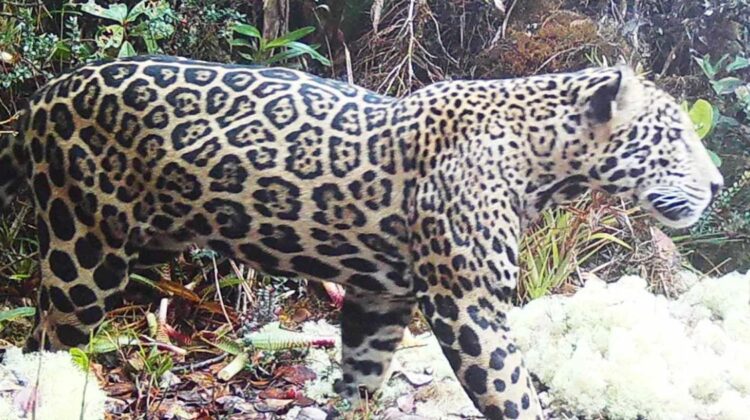
A jaguar has been recorded in the highlands of Honduras for the first time in ten years, in what conservationists describe as a significant development for wildlife recovery in the region.
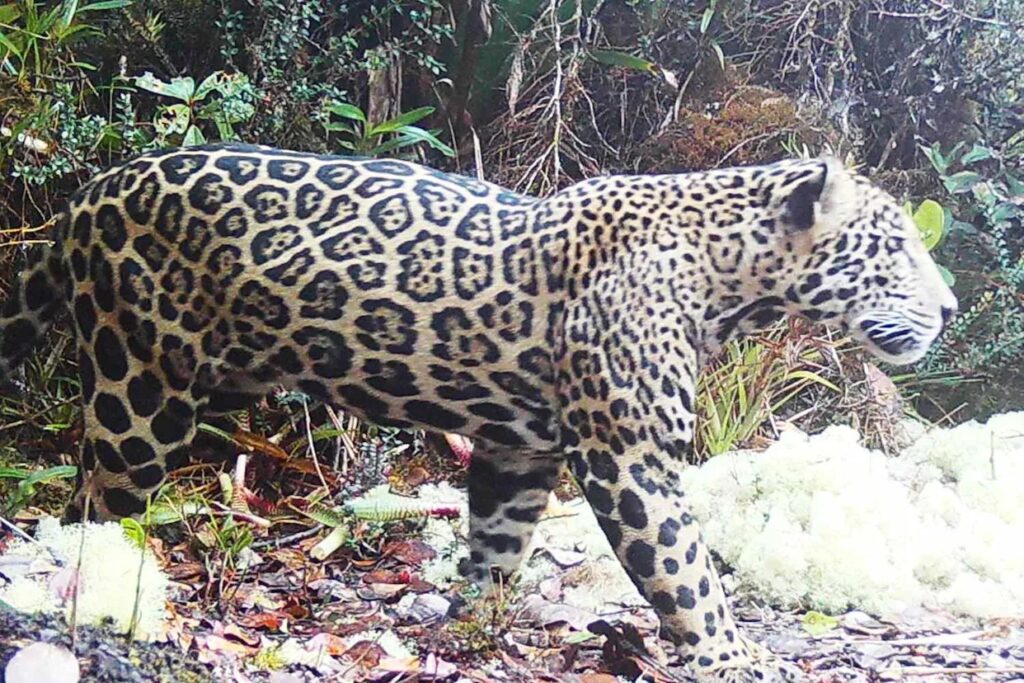
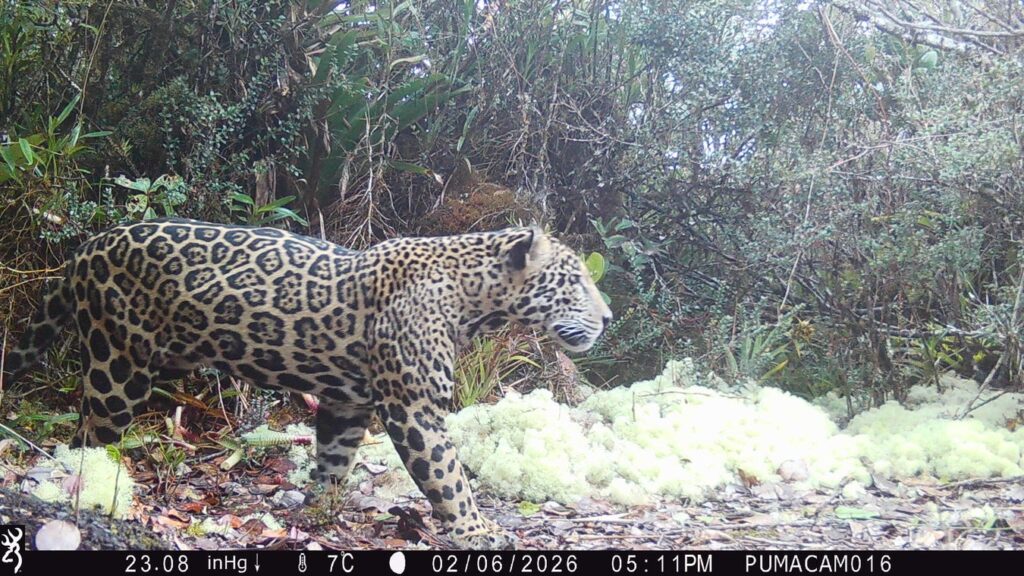
The animal was captured by a remote camera trap in the Sierra del Merendón, an area where monitoring efforts have been underway for several years.
Long-term conservation effort
The sighting was confirmed by Panthera, which has been working with local researchers and park authorities to restore habitats and protect wildlife.
Measures introduced in the area include:
- A network of 20 camera traps
- Acoustic monitoring systems
- Anti-poaching patrols
- Reintroduction of prey species such as iguanas and peccaries
Conservationists say these combined efforts are intended to rebuild a stable ecosystem capable of supporting large predators.
High-altitude sighting
The term “cloud jaguar” is used to describe jaguars found at higher elevations. Most of the species’ population lives below 1,000 metres.
This individual was recorded at approximately 2,200 metres above sea level, in dense, mist-covered forest—making the sighting relatively unusual.
Researchers believe the animal may be a young male moving between Honduras and neighbouring Guatemala.
Population pressures
Jaguars across the Americas have faced declining numbers due to habitat loss and illegal hunting. Studies suggest that around 25% of the adult population was lost between 1995 and 2016.
In Honduras, population estimates range from 300 to 700 individuals, though these figures are not based on direct counts.
A rare confirmation
Of the 20 cameras installed in the area, only one recorded the jaguar. Conservationists say this highlights both the animal’s elusive nature and the importance of sustained monitoring.
They add that such sightings provide evidence that ecological corridors between habitats may still be functioning.
While the image captures only a brief moment, its significance extends far beyond a single sighting. It reflects years of conservation work and suggests that, in some areas, conditions are improving enough to support species once thought absent. Whether this marks the beginning of a wider recovery remains uncertain, but it offers a clear signal that sustained conservation efforts can deliver measurable results.
Leave a Reply