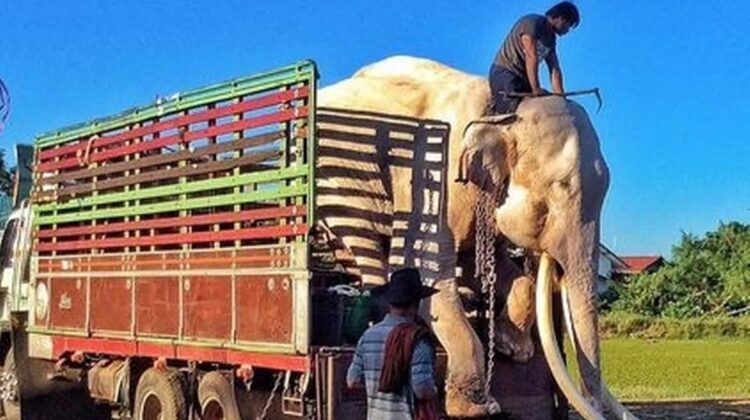
For more than forty years, a bull elephant named Thong Bai was one of the most recognizable animals in Thailand — a fixture in beer commercials, films and wedding ceremonies, and an informal symbol of Surin province. For most of that time, he lived in chains.
A Career Built on Fame, Not Freedom
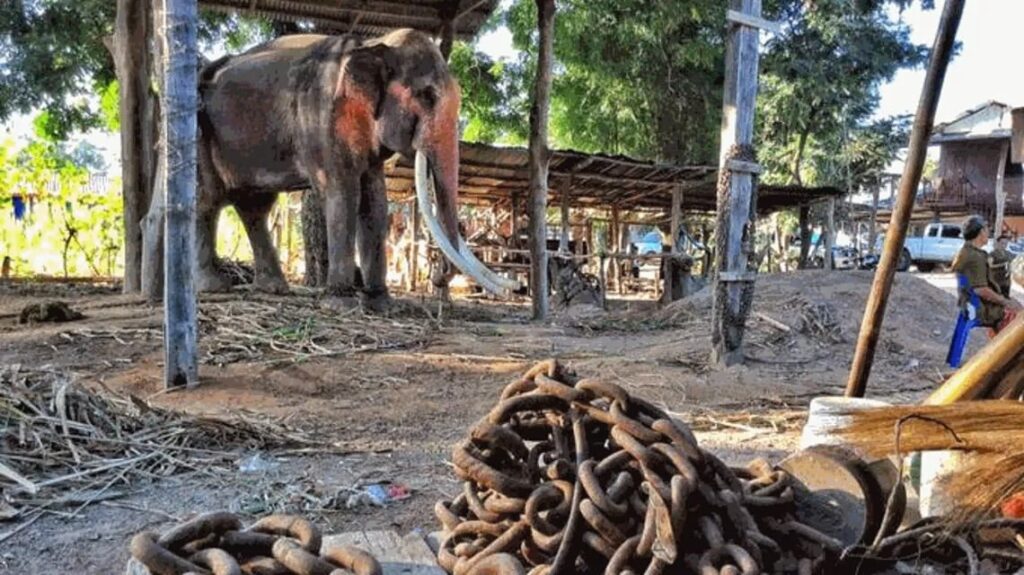
Thong Bai, privately owned, spent decades as a working elephant whose visibility made him something of a celebrity in his own right. Thai culture holds elephants in particularly high regard, and Surin — often called the “land of the elephant” — is closely associated with them. That status didn’t translate into better treatment: like many working elephants used for tourism, performance and advertising in Thailand, Thong Bai lived chained when he wasn’t being used for one appearance or another.
Lek Chailert (formally Saengduean Chailert), founder of Elephant Nature Park and the Save Elephant Foundation, has spent decades campaigning to improve conditions for Thailand’s captive elephants and to move owners away from riding, performances and other practices that keep elephants working rather than living freely. She began documenting Thong Bai’s situation publicly, writing on Facebook: “More than forty years he has served people, and he deserves his freedom.”
How the Release Came Together
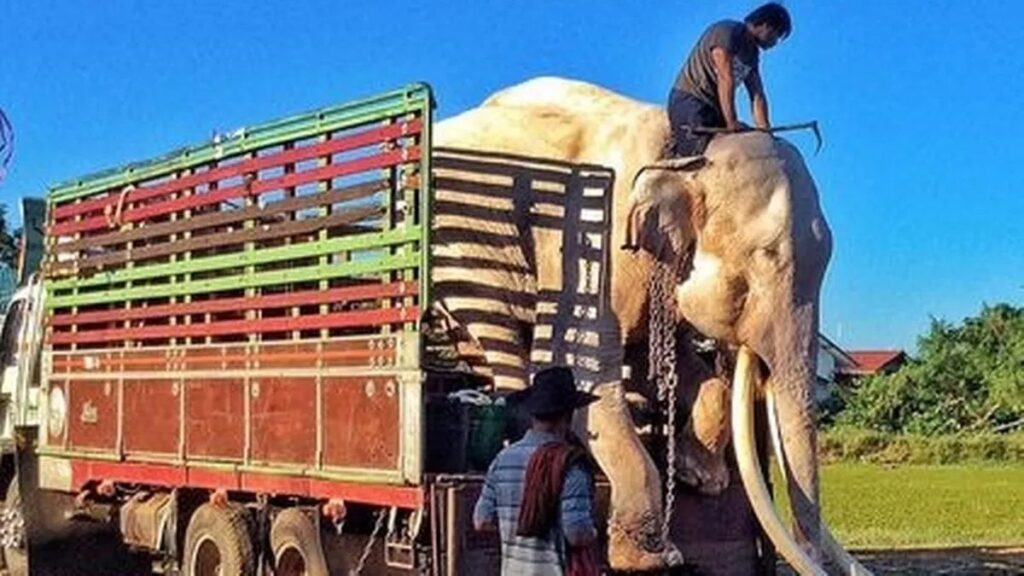
About a year before Thong Bai’s release, Chailert brought a visitor — Khun NuNa Silpa-archa — to Surin province to see Thong Bai and other elephants in the area firsthand. What she saw moved her enough that she spent the following year working to help secure Thong Bai’s freedom, negotiating alongside Chailert with the elephant’s owner.
The agreement that resulted didn’t transfer ownership or relocate Thong Bai entirely — instead, his owner agreed to let him live chain-free in a purpose-built enclosure, becoming part of the Surin Project, an initiative focused on improving both the living conditions of working elephants and the economic circumstances of the mahouts who care for them. The Surin provincial government provided the land, Thai Beverage Company funded construction, and the local community helped build Thong Bai’s new shelter, which includes shade, a mud wallow, a fountain and enough open space for him to roam.
The Day the Chains Came Off
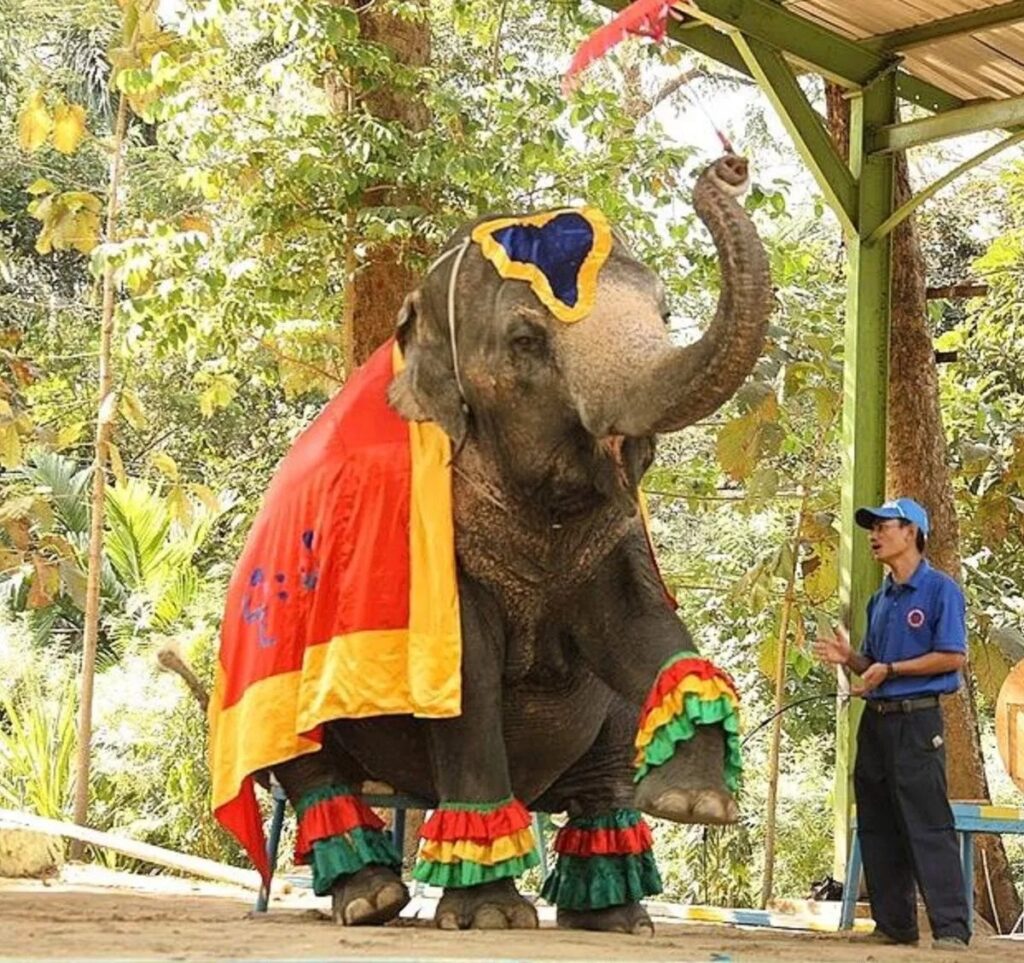
When Thong Bai’s shackles were finally removed and he was brought to his new enclosure, Chailert described an animal who didn’t quite know what to do with his newfound freedom. “The day that everyone longed for has finally arrived,” she wrote. “Thong Bai, the Legend of Surin, is free from his chains. We welcomed him to his new home today. He appeared uncertain and nervous of his new freedom and even shy to explore without being told what to do.”
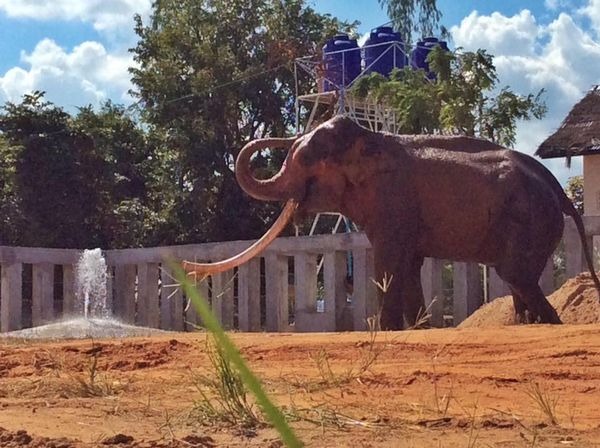
Why Thong Bai’s Story Still Gets Shared
Thong Bai’s case reflects a broader shift that’s been building in Thailand’s elephant tourism industry for years, as sanctuaries and advocates push owners toward models that don’t require riding, performing or chaining — often called “saddle off” tourism. Full freedom, in the wild sense, usually isn’t realistic for elephants like Thong Bai, who spent decades dependent on human care; what changed for him was the end of physical restraint and forced work, not a return to the wild.
Frequently Asked Questions
Is Thong Bai currently living in the wild? No. He lives unchained in a dedicated enclosure as part of the Surin Project, with space to roam, shade and a mud wallow — an improvement in welfare and freedom of movement, not a release into the wild, which wouldn’t be viable for an elephant with his background.
Who is Lek Chailert? She’s a Thai animal welfare advocate and the founder of Elephant Nature Park and the Save Elephant Foundation, organizations that have worked for decades to rescue and improve conditions for elephants across Thailand and neighboring countries.
When did this actually happen? Chailert’s original posts documenting Thong Bai’s release date to December 2015. The story has been widely recirculated by other outlets in the years since, sometimes presented as if it were new.
Sources: Save Elephant Foundation; Wikipedia (Sangduen Chailert).
Leave a Reply