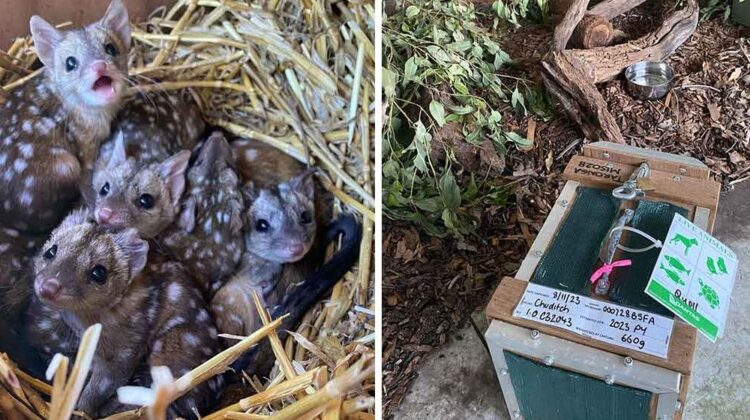
Ecologists at Mt Gibson Wildlife Sanctuary in Western Australia have confirmed a major conservation milestone: western quolls, also known by their Noongar name chuditch, are successfully breeding in the wild after being reintroduced to an area where the species had been locally extinct for around a century.
What Was Found
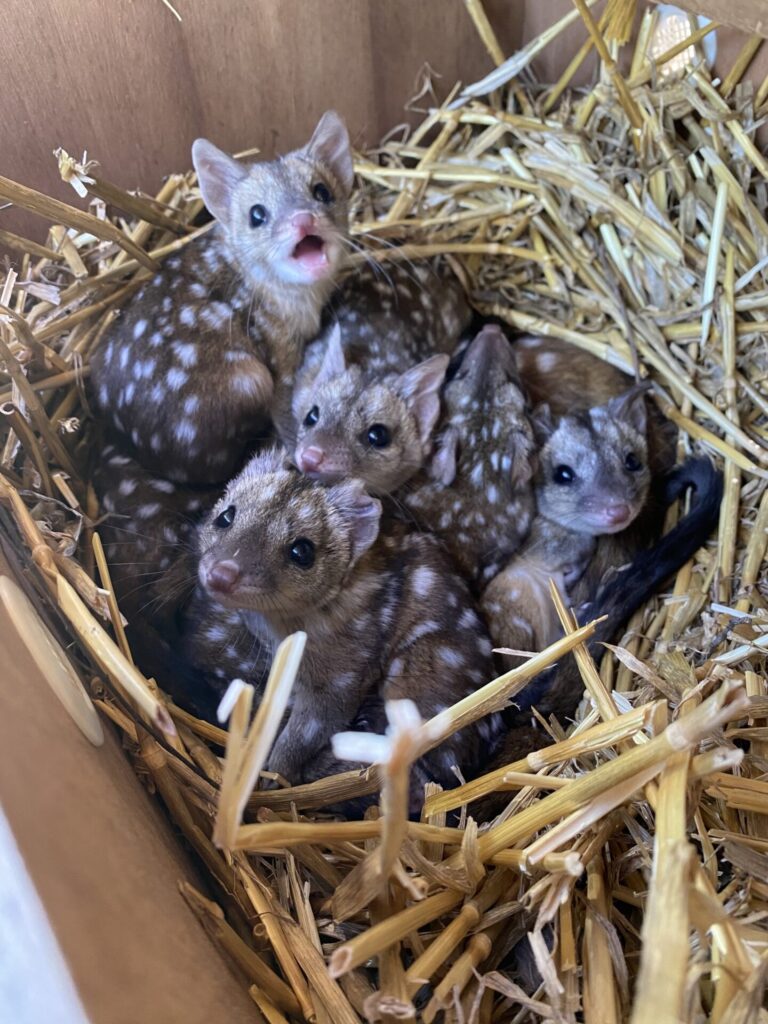
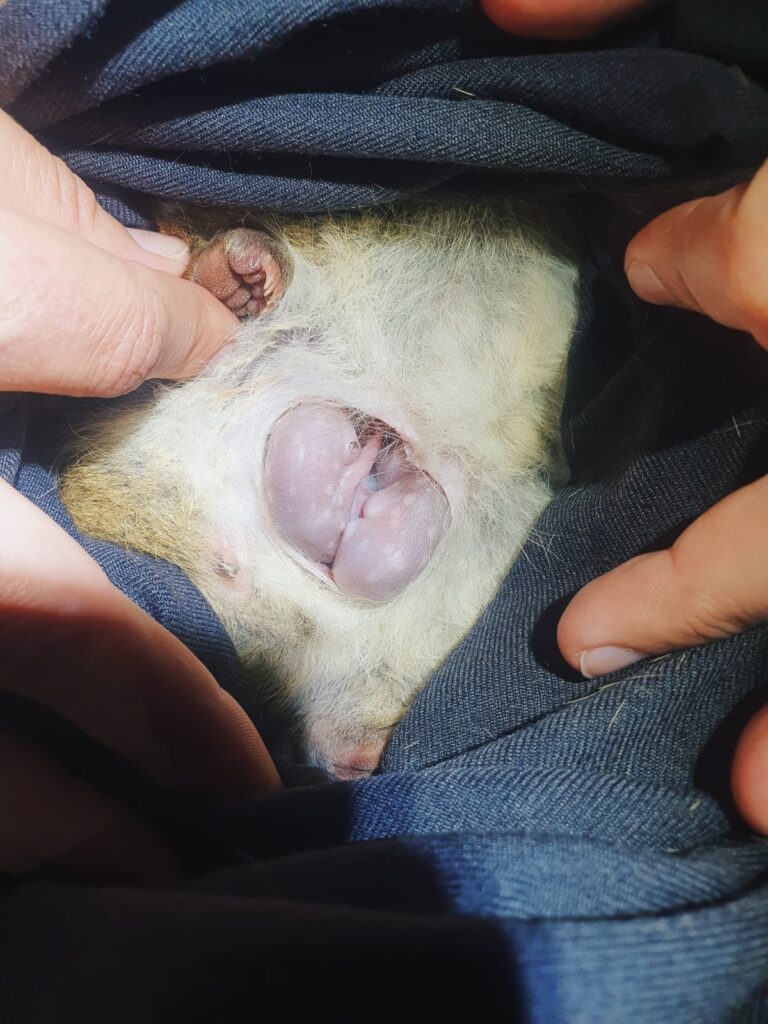
During a routine wildlife survey, the Australian Wildlife Conservancy’s (AWC) ecology team discovered pouch young — tiny, newborn quolls still nestled in their mother’s pouch. According to AWC, Western Quolls are not born with their signature white spots; the young are initially hairless and pink, developing fur and their distinctive markings only later in the pouch or shortly after leaving it — which is likely what made them look so unusual at first glance.
“Through regular monitoring, we can see the quolls are doing well at the sanctuary, and encountering the first pouch young is a positive sign that they have adjusted to the new environment,” said Georgina Anderson, AWC Senior Field Ecologist.
A Species Nearly Wiped Out
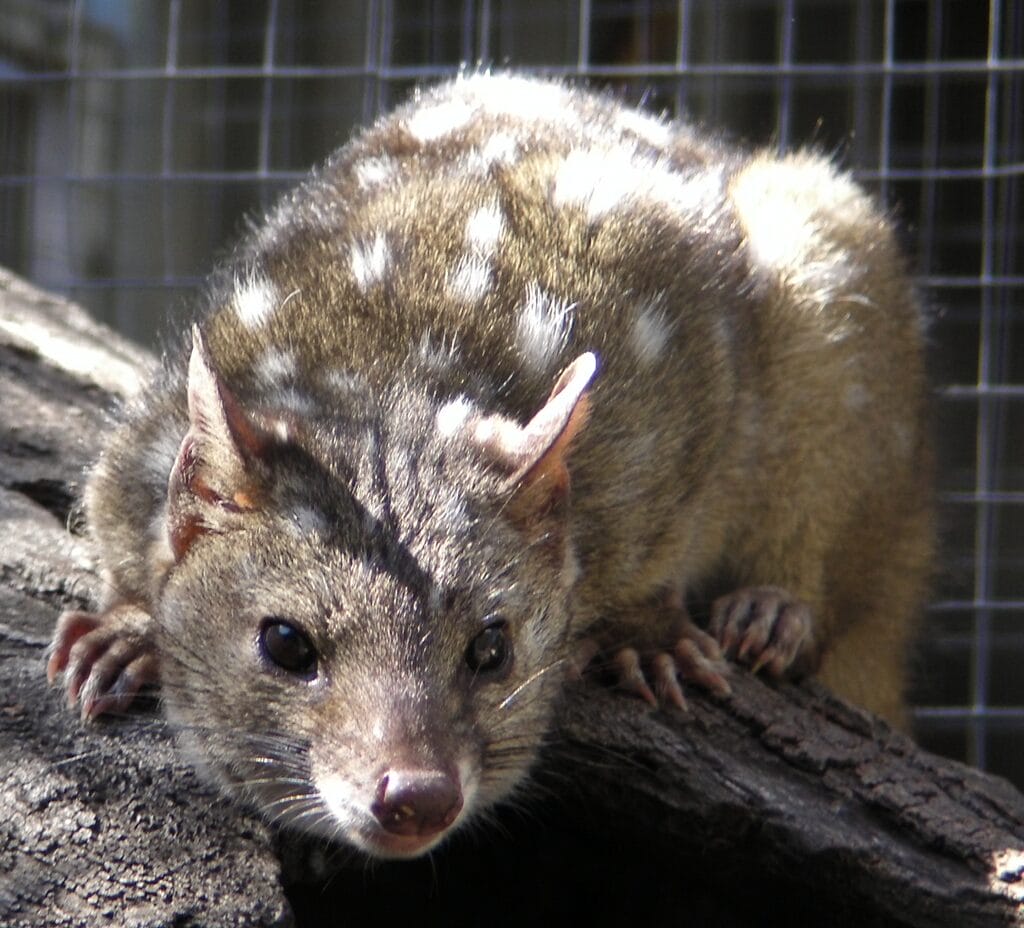
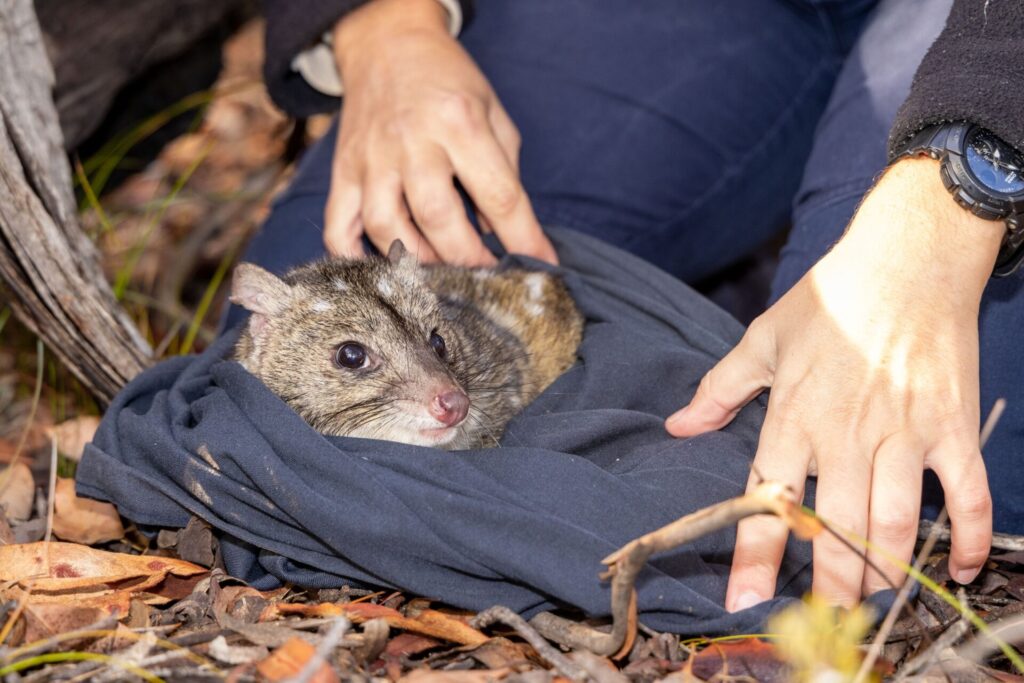
Western quolls were once found across most of mainland Australia. Since European settlement introduced foxes and feral cats, the species’ range has collapsed to a handful of small, isolated populations in the southwestern corner of the country. About the size of a domestic cat, the western quoll is a marsupial carnivore that plays an important ecological role, helping control populations of insects, small reptiles, and rodents.
A Decade-Long Restoration Effort
The quolls’ return to Mt Gibson is part of AWC’s broader Mammal Restoration Project, one of the most ambitious conservation efforts of its kind in Australia. Since 2015, the sanctuary has reintroduced 10 locally extinct mammal species into a 7,800-hectare fenced area cleared of feral cats and foxes — the two introduced predators most responsible for Australia’s mammal extinction crisis.
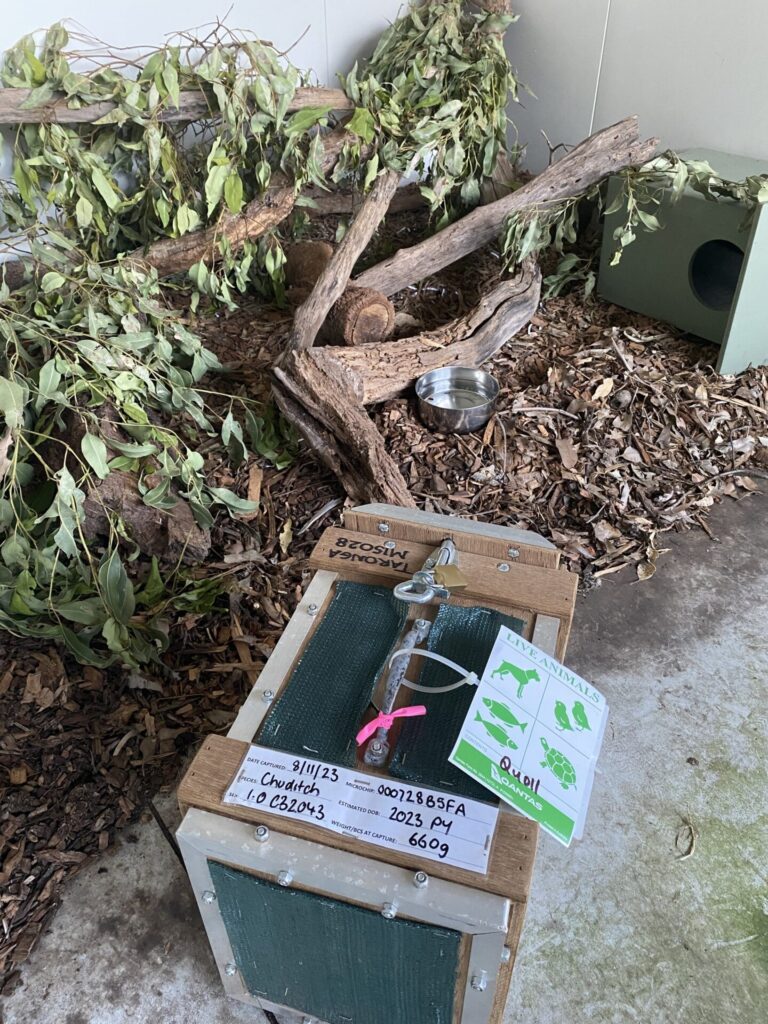
Western quolls were reintroduced to Mt Gibson starting in 2023, with individuals sourced from Julimar State Forest and additional quolls later released from a captive breeding program at Taronga Zoo. Eight of the nine mammal species reintroduced to the sanctuary so far have gone on to establish healthy, growing populations.
Why Fenced Sanctuaries Matter
Australia has lost more mammal species to extinction than any other continent over the past two centuries, largely due to predation by introduced cats and foxes. Predator-free fenced sanctuaries like Mt Gibson have become one of the most effective tools conservationists have for giving vulnerable native species a chance to recover — though experts note that re-establishing populations outside fenced areas remains a critical, and much harder, long-term goal for Australian conservation.
Frequently Asked Questions
Why were the newborn quolls described as looking unusual? Western quoll young are born hairless and pink, developing fur and their characteristic white spots only later — so newborns can look quite different from the adult animal most people recognize.
Are western quolls dangerous to humans? No — while they are carnivorous marsupials, western quolls pose no threat to people and primarily hunt insects, small reptiles, birds, and rodents.
How can people support projects like this one? Organizations like the Australian Wildlife Conservancy rely on donations and public support to fund fenced sanctuaries, predator control, and ongoing species monitoring across their reserves.
Leave a Reply