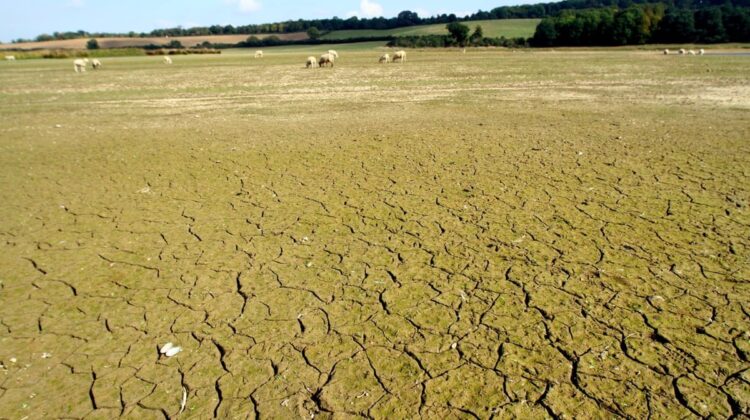
Half of England has officially entered drought conditions following months of exceptionally low rainfall, prompting authorities to warn of increasing pressure on water supplies, rivers, wildlife, and the wider environment.
The Environment Agency announced that seven regions are now classified as being in drought, including East Anglia, Hertfordshire and North London, the Thames Valley, Hampshire and the Isle of Wight, Devon and Cornwall, the West Midlands, and Wessex, which covers Dorset, Somerset, Wiltshire, and south Gloucestershire.
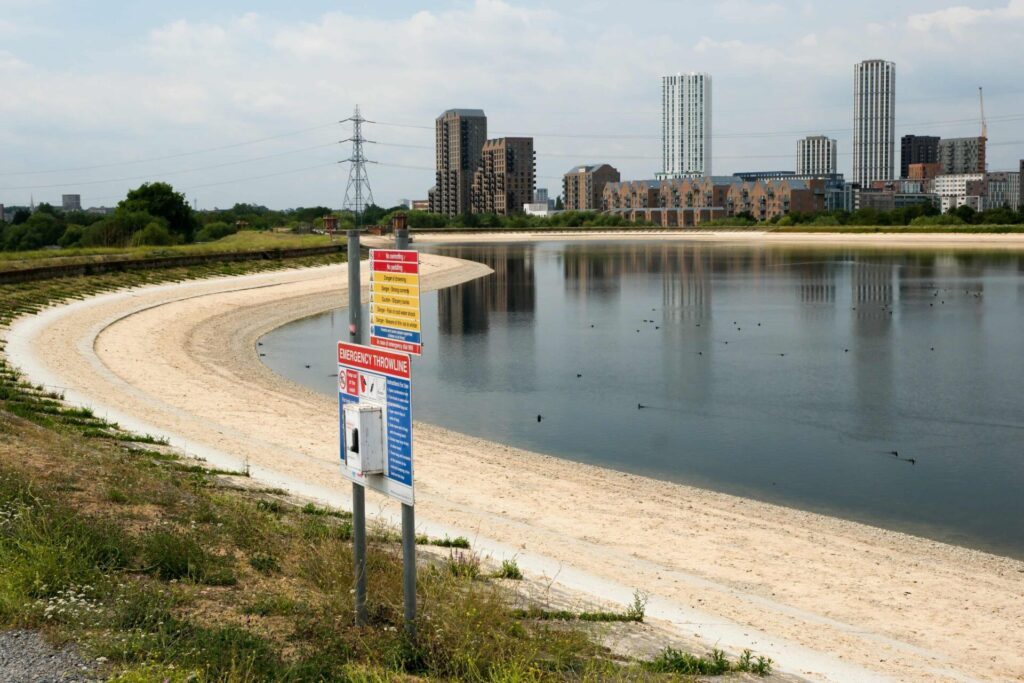
The announcement comes after several water companies introduced hosepipe bans affecting more than 23 million residents, including customers served by Thames Water and South East Water, as reservoirs and rivers continue to experience declining water levels.
Helen Wakeham, the Environment Agency’s Director of Water and Chair of the National Drought Group, said prolonged hot and dry weather means the country is consuming water faster than nature can replace it.
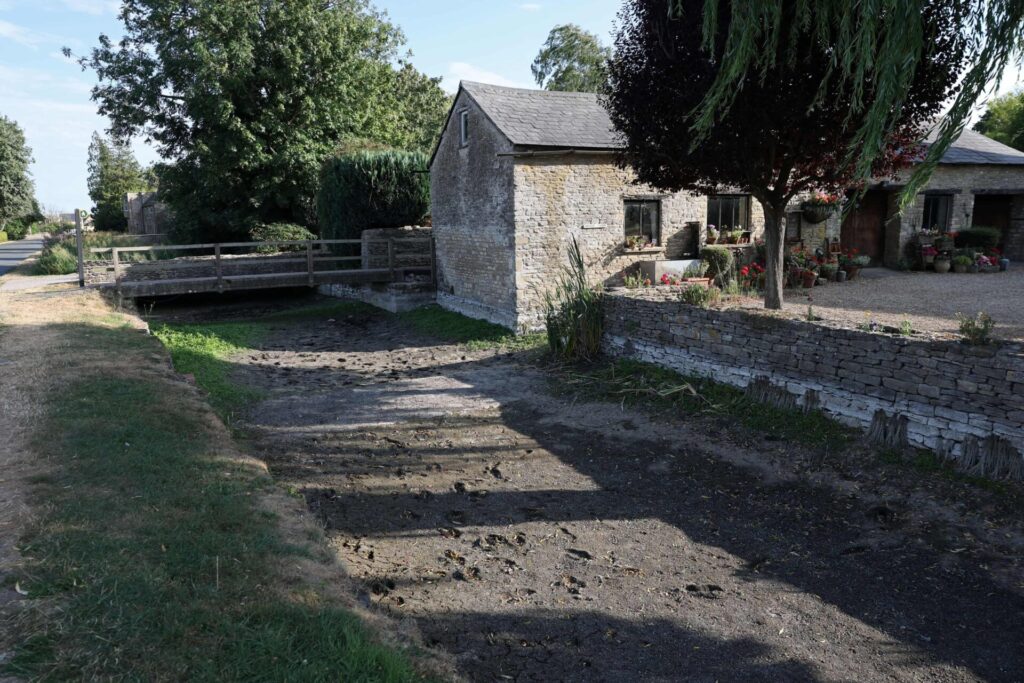
She described the prospect of a second consecutive summer drought as an exceptionally serious situation, warning it could have lasting consequences for ecosystems, wildlife, agriculture, and the economy.
According to official figures, England received only 7% of its average July rainfall, while some parts of southern England recorded as little as 1% of their normal monthly rainfall, making it one of the driest periods in recent years.
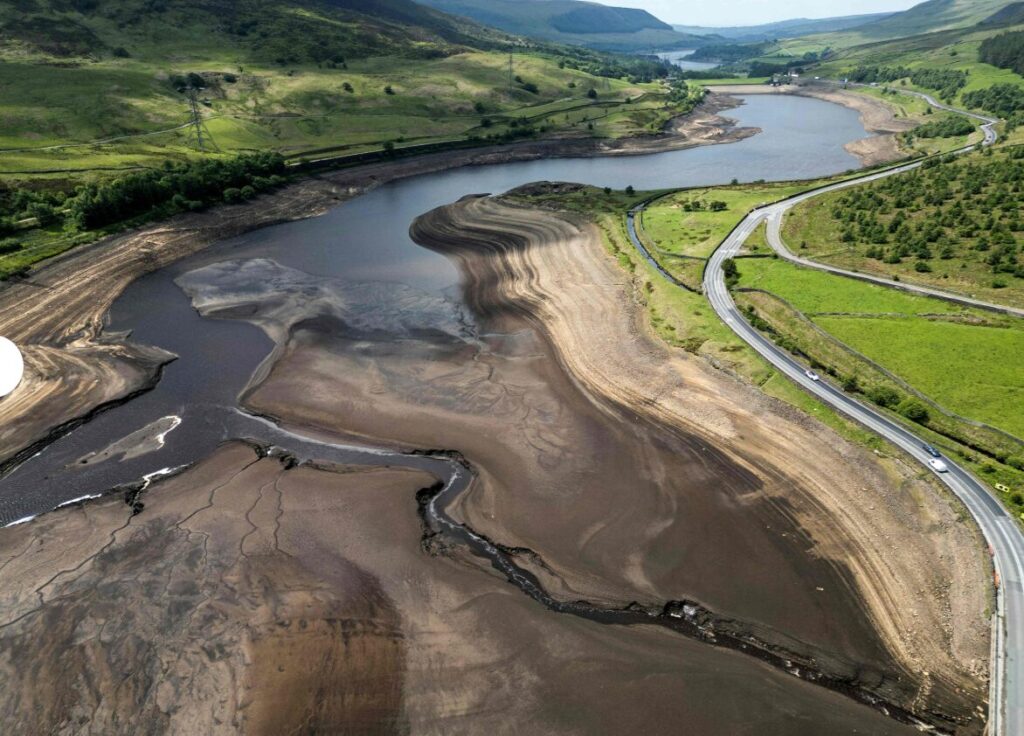
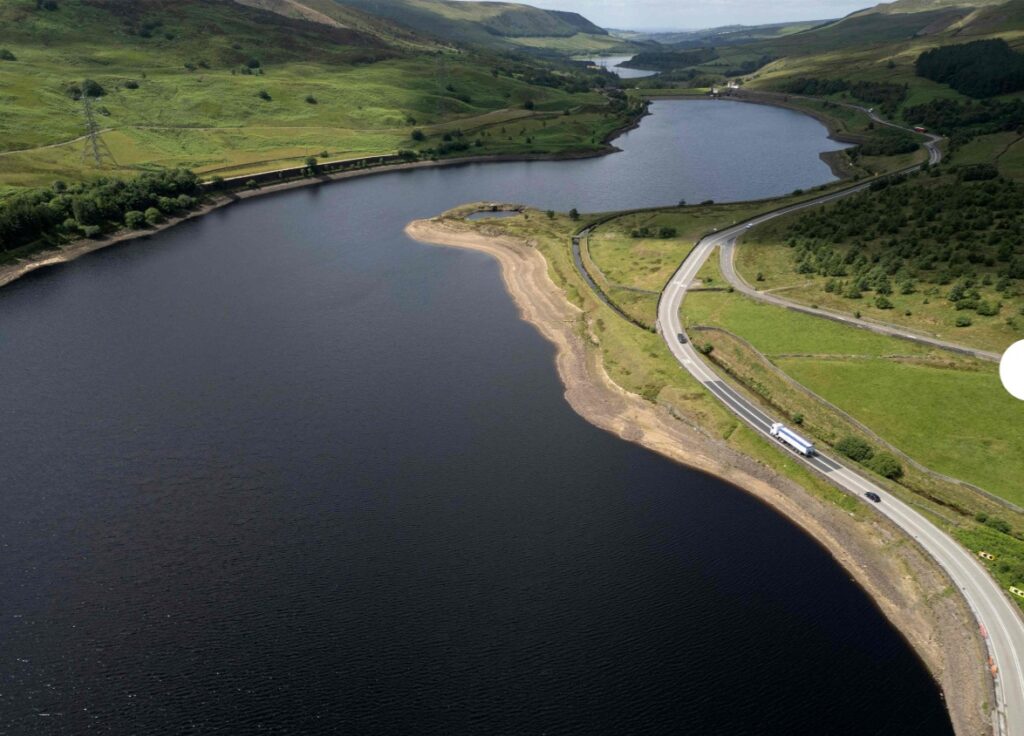
In response, the Environment Agency has expanded its drought measures by increasing environmental monitoring and introducing stricter controls on the amount of water that can be taken from rivers and underground sources in an effort to protect essential habitats and maintain public water supplies.
The latest declaration marks England’s third official drought in five years, following previous drought events in 2022 and 2025, highlighting growing concerns over the increasing frequency of extreme weather linked to climate change.
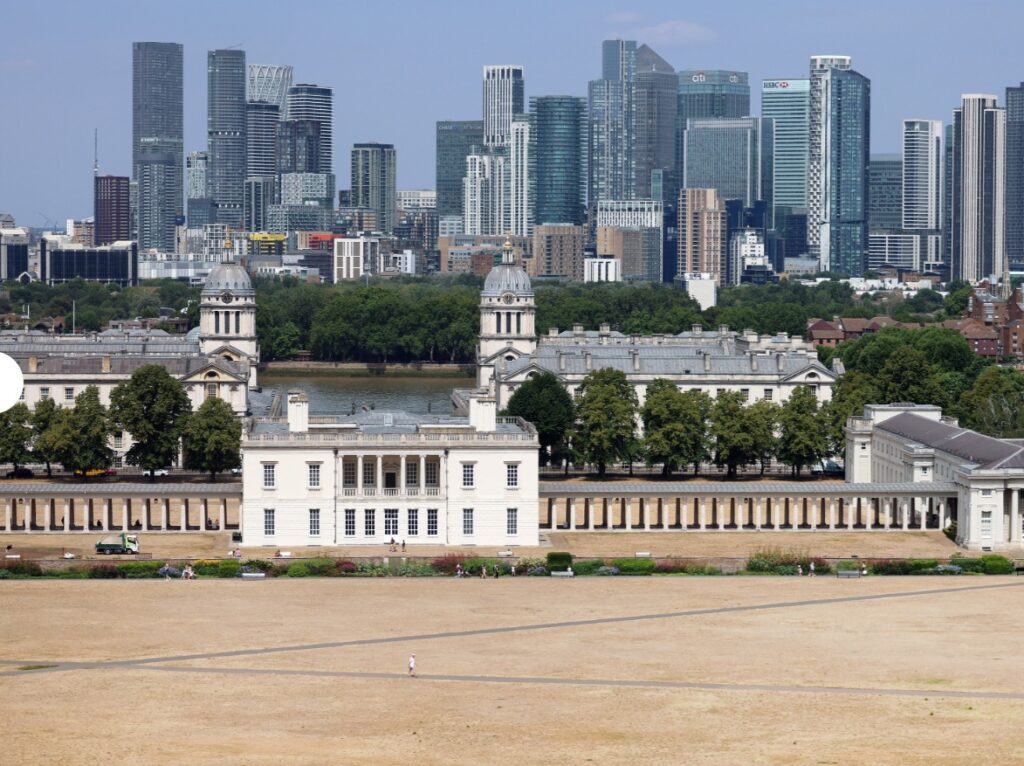
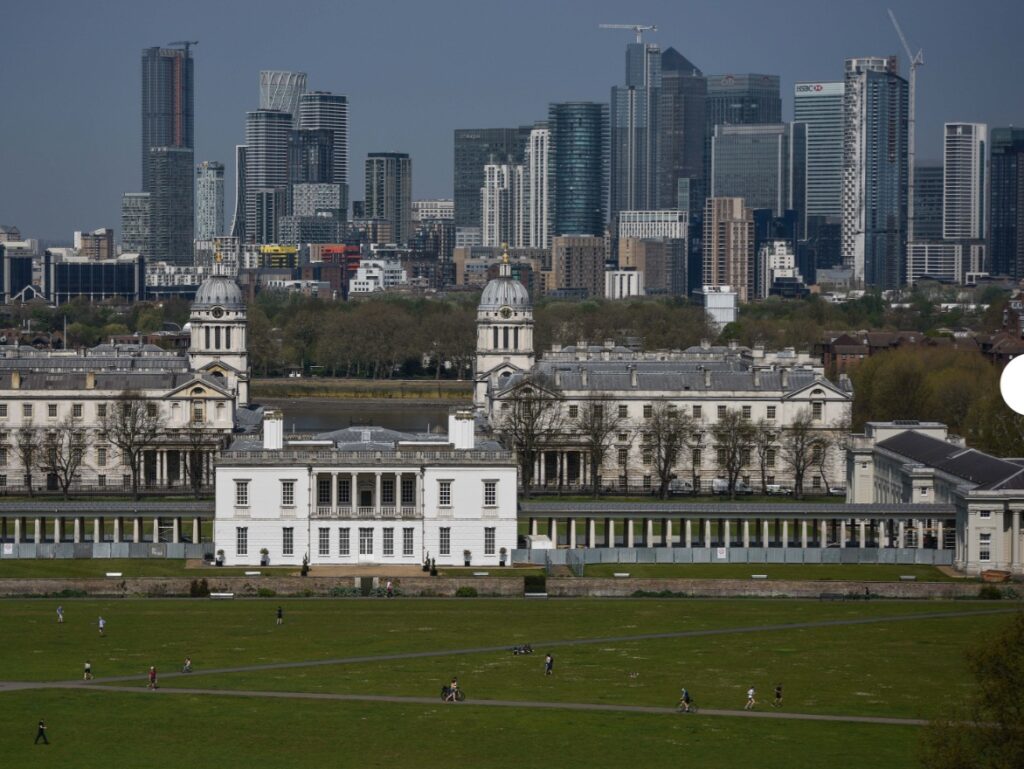
Several other regions—including Kent and East Sussex, Cumbria and Lancashire, Greater Manchester, Merseyside and Cheshire, the East Midlands, Lincolnshire and Northamptonshire, and parts of Solent and the South Downs—remain under prolonged dry weather status, meaning conditions could deteriorate further if rainfall does not improve.
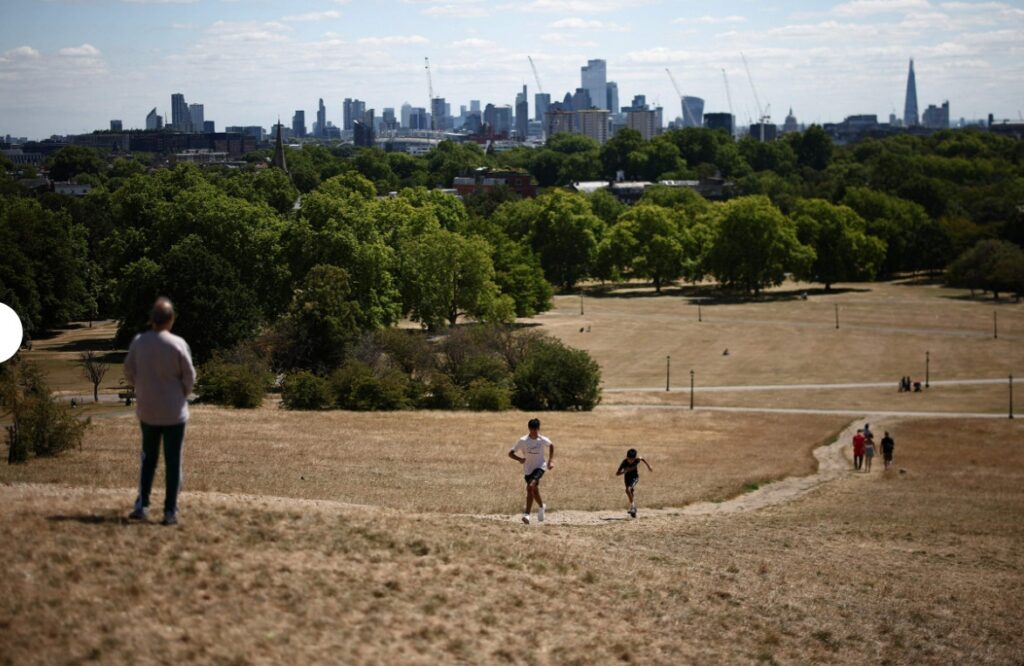
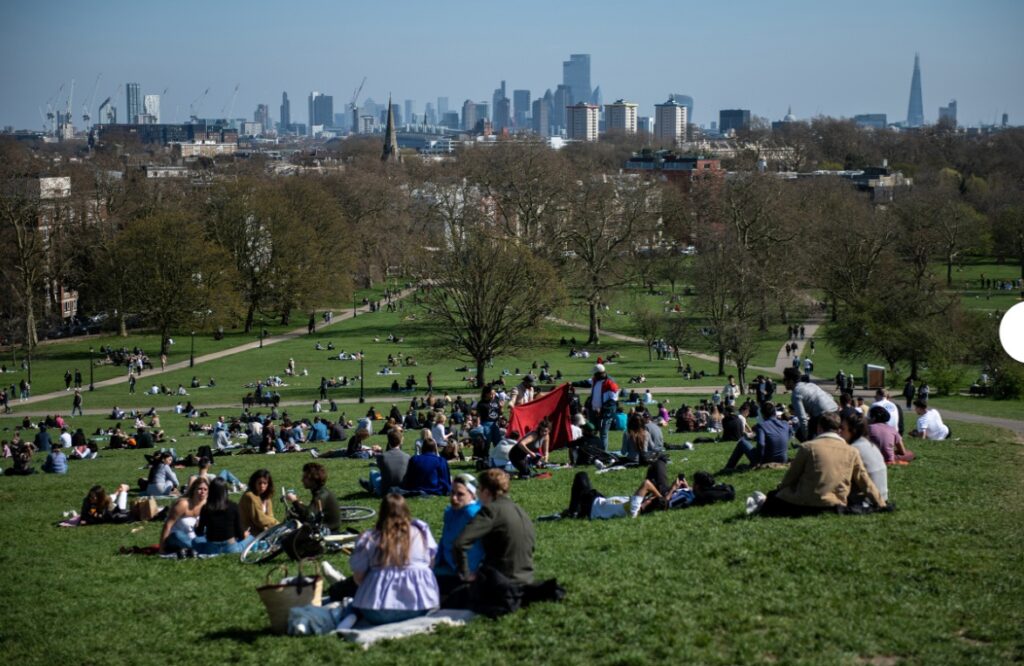
For now, Yorkshire and North East England remain the only areas still classified under normal conditions, although officials say they are continuing to monitor the situation closely as forecasts suggest ongoing dry weather could place additional pressure on water resources in the coming weeks.
Leave a Reply