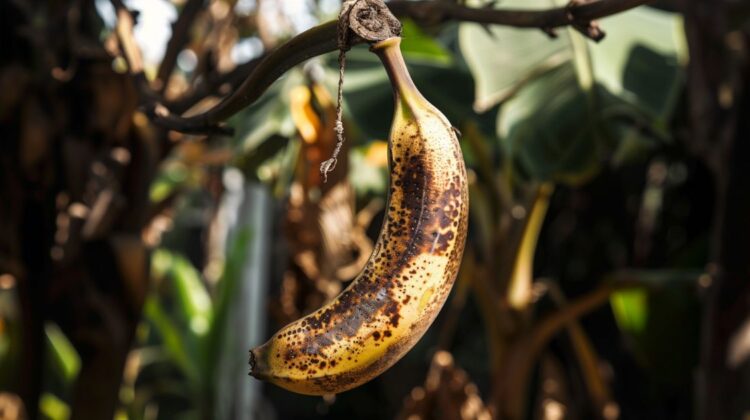
An overripe banana might seem like a waste, but don’t throw it away just yet! Hanging an overripe banana in your garden can bring surprising benefits for your plants, soil, and even pest control.
This eco-friendly gardening hack takes advantage of the natural nutrients, sugars, and compounds in bananas to improve your garden’s health.
In this article, we’ll explore why you should hang an overripe banana in your garden and how to do it effectively.
Why Hang an Overripe Banana in Your Garden?
1. Attracts Beneficial Pollinators
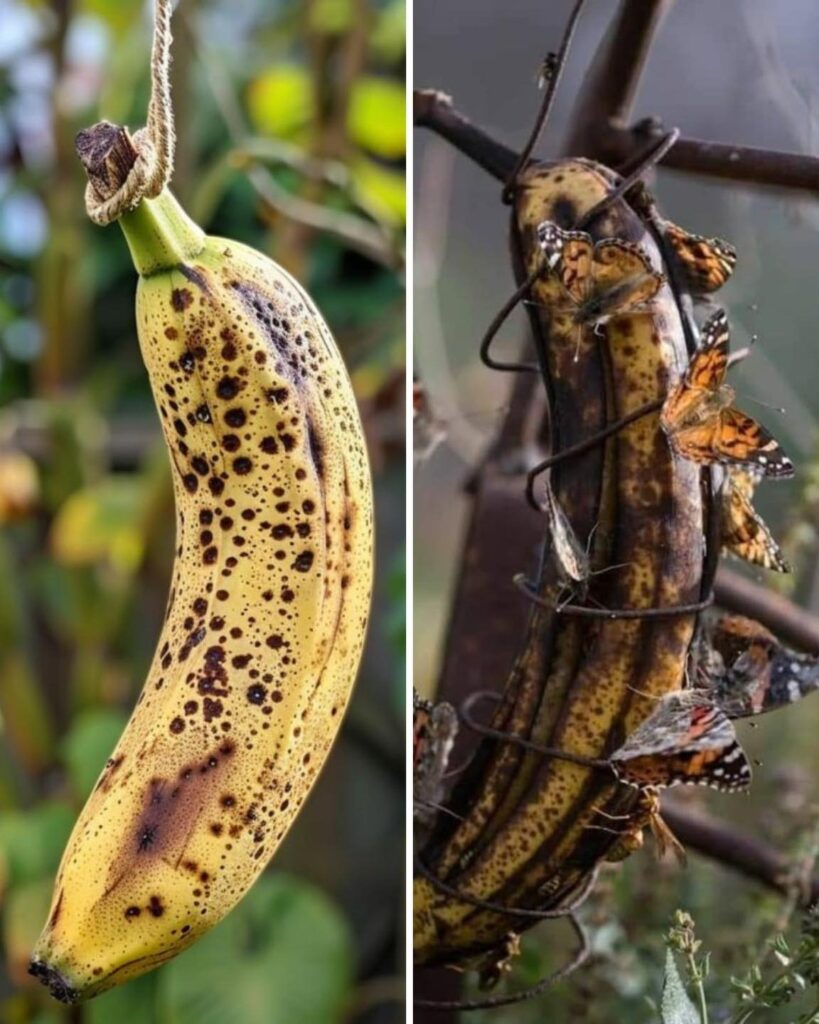
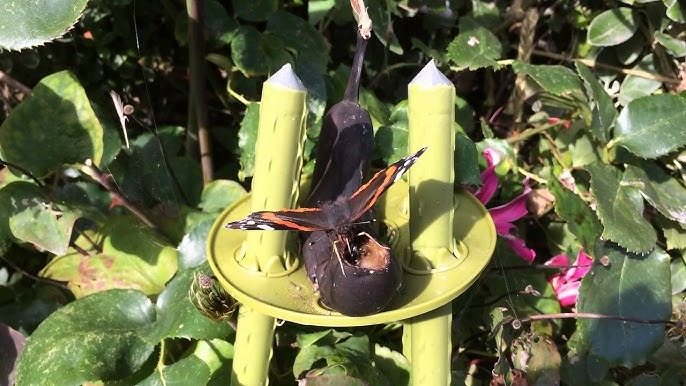
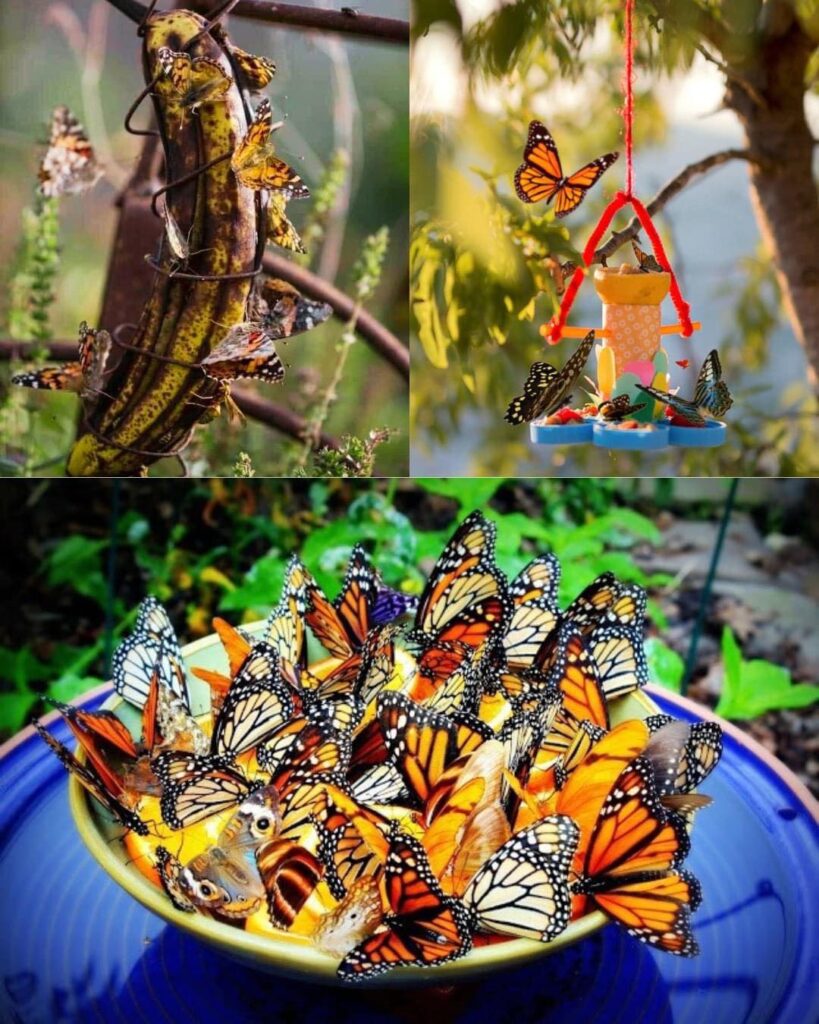
Overripe bananas release a strong, sweet scent that attracts pollinators like bees, butterflies, and hummingbirds. These pollinators are essential for the reproduction of flowering plants, ensuring a bountiful harvest.
- How it Works: The sugary scent acts as a lure for pollinators, drawing them closer to your garden. Once they’re in the area, they’re likely to visit other flowers nearby.
2. Feeds Soil Microorganisms
As the banana decomposes, it releases natural sugars and nutrients that feed beneficial soil microorganisms. These microorganisms play a crucial role in breaking down organic matter and making nutrients available to plants.
- Key Nutrients Released: Potassium, phosphorus, and calcium—all essential for plant growth and health.
3. Natural Pest Trap
Overripe bananas can double as an effective pest trap. The sweet scent attracts unwanted pests like fruit flies, gnats, and aphids, keeping them away from your other plants.
- How to Use:
- Pierce the banana with small holes to make it more accessible to pests.
- Hang it near plants prone to pest infestations.
- Dispose of the banana once it’s covered with pests to prevent further reproduction.
4. Acts as a DIY Fertilizer
As the banana breaks down, it releases a range of nutrients into the surrounding soil. This makes it a natural, slow-release fertilizer for nearby plants.
- Nutrients in Bananas:
- Potassium: Promotes strong roots and disease resistance.
- Phosphorus: Encourages healthy flowers and fruit production.
- Calcium: Strengthens cell walls and prevents issues like blossom-end rot.
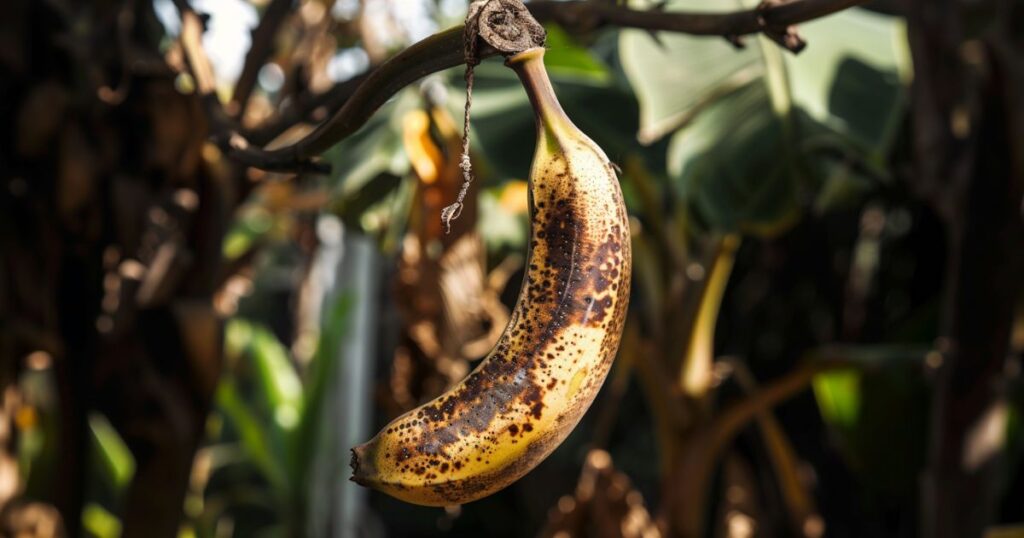
5. Attracts Birds and Other Garden Helpers
Hanging a banana can attract birds, which are natural pest controllers. Birds feed on insects like aphids, caterpillars, and beetles, helping to reduce pest populations in your garden.
- Bonus Tip: Place the banana near a bird feeder to encourage more bird activity in your garden.
6. Promotes Composting
By hanging the banana, you create a direct composting effect as it decomposes naturally in the open air. The nutrients leach into the soil, enriching it without the need for a traditional compost bin.
- Eco-Friendly Gardening Hack: This method reduces food waste and enhances soil fertility at the same time.
How to Hang an Overripe Banana in Your Garden
1. Choose the Right Spot
- Hang the banana near flowering plants, fruit trees, or vegetable beds to maximize its benefits.
- Avoid placing it too close to young seedlings, as it may attract pests that could harm delicate plants.
2. Use a Sturdy String or Mesh Bag
- Wrap the banana in a mesh bag or tie it directly with a sturdy string. This prevents larger animals like squirrels or raccoons from carrying it away.
3. Monitor Regularly
- Check the banana every few days to ensure it’s still intact and serving its purpose.
- Replace it when it’s fully decomposed or covered in pests if using it as a trap.
Additional Tips for Using Overripe Bananas in the Garden
1. Chop and Bury for Fertilizer
If you don’t want to hang your banana, chop it into pieces and bury it near the roots of your plants. This method allows the nutrients to reach the soil directly.
2. Make a Banana Peel Tea
Steep banana peels in water for 24-48 hours to create a nutrient-rich solution. Use this “tea” to water your plants for an instant potassium and phosphorus boost.
3. Use in Compost
Add overripe bananas and their peels to your compost pile to speed up decomposition and enrich your compost with essential nutrients.
Benefits of Hanging Bananas Over Other Methods
- Targeted Placement: You can direct the benefits (pollinators, pest control, or fertilization) to specific areas of your garden.
- Easy to Replace: Simply hang a new banana when the old one decomposes.
- Multifunctional: Combines pollinator attraction, pest control, and soil enrichment in one simple hack.
Common Questions About Hanging Overripe Bananas
1. Will it attract unwanted animals?
- If not secured properly, overripe bananas might attract animals like squirrels or raccoons. Use a mesh bag or hang it high enough to deter larger pests.
2. How long should I leave the banana hanging?
- Leave the banana until it’s fully decomposed or has served its purpose (e.g., pest trap). Replace as needed.
3. Can I use banana peels instead of whole bananas?
- Yes! Banana peels can be hung, composted, or brewed into fertilizer tea for similar benefits.
Hanging an overripe banana in your garden is a simple, eco-friendly trick that delivers big results. From attracting beneficial pollinators to enriching your soil and controlling pests, this gardening hack transforms waste into a valuable resource.
Next time you find a spotty banana in your kitchen, don’t toss it—hang it in your garden and watch the benefits unfold! 🍌🌱
Leave a Reply