
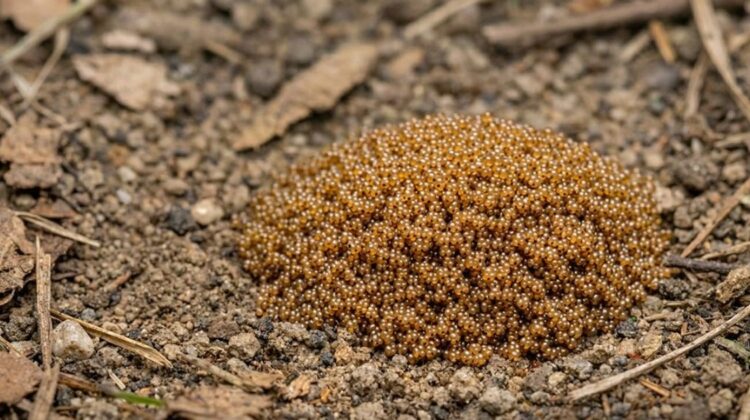
Finding unusual eggs in your backyard can be alarming, especially when they may belong to ticks. Ticks are known for spreading several serious diseases, and their eggs can quickly lead to an infestation if left untreated.
Understanding how to recognize tick eggs and how to manage them safely can help reduce the risk of ticks spreading around your home.
What Tick Eggs Look Like
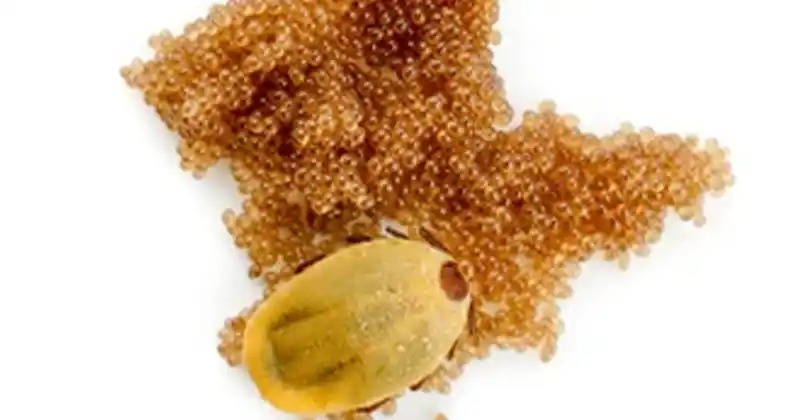
Tick eggs are extremely small, measuring about 0.5 millimeters in diameter, which is roughly the size of a poppy seed. Because of their tiny size, they can easily go unnoticed unless they appear in clusters.
They are typically:
- Oval or pear-shaped
- Smooth and glossy in texture
- Translucent or pale white in color
- Sometimes light yellow or light brown as they mature
Ticks usually lay their eggs in clusters close to the ground. These clusters may be attached to:
- Leaves and plants
- Grass
- Soil surfaces
- Leaf litter
- Woodpiles or garden debris
Because they are often placed in sheltered and moist environments, tick eggs can be difficult to spot.
Why Tick Eggs Are Dangerous
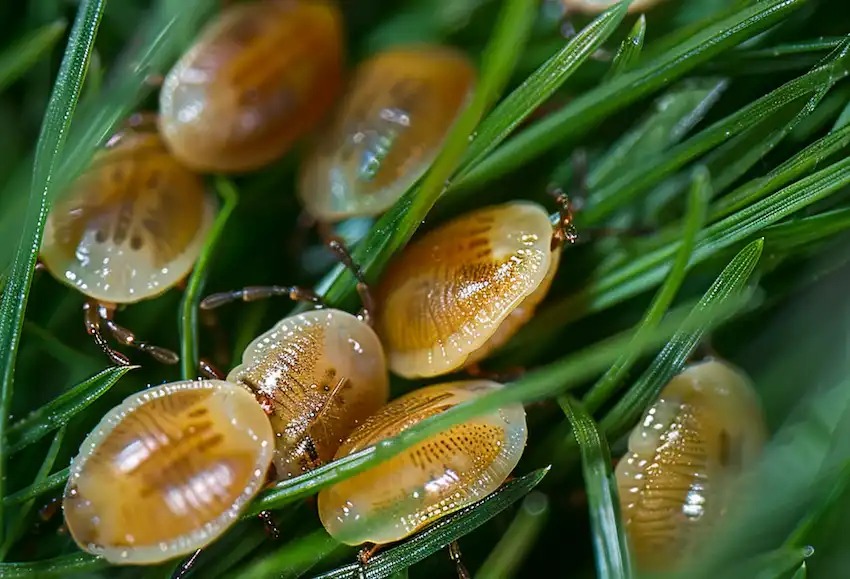
The main risk associated with tick eggs is what happens after they hatch. Each cluster can contain hundreds to thousands of larvae, which can later develop into adult ticks.
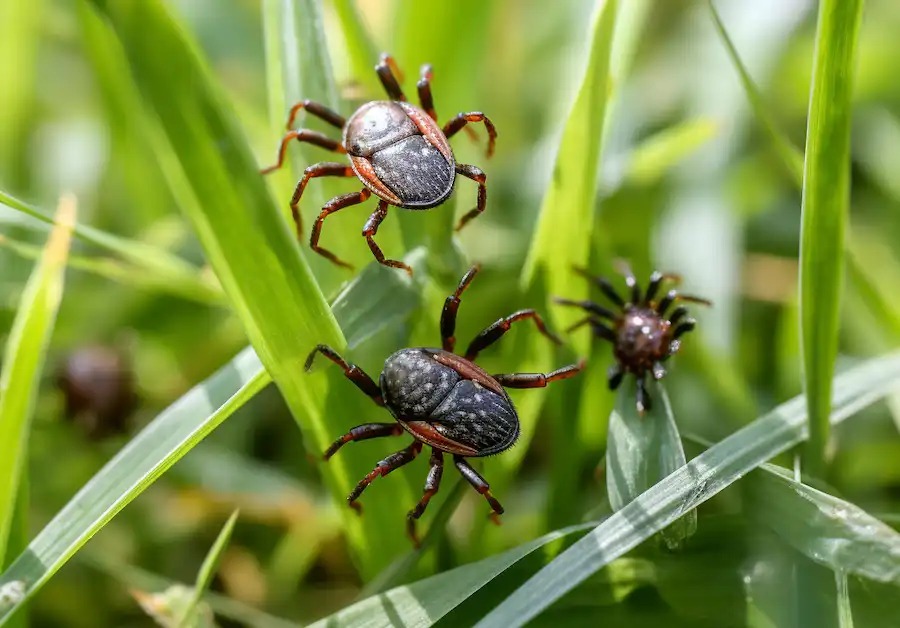
Ticks are known to carry diseases such as:
- Lyme disease
- Rocky Mountain spotted fever
- Other tick-borne illnesses
Once the larvae hatch, they begin searching for hosts such as animals or humans. This is why it is important to address tick eggs quickly before they spread.
Safe Removal and Disposal
If you suspect tick eggs in your yard, it is best to handle them carefully.
Experts often recommend contacting a professional pest control service for proper identification and treatment. Professionals can confirm whether the eggs belong to ticks and apply the appropriate control methods.
If ticks are found attached to the skin, they should be removed carefully using fine-tipped tweezers. The tick should be grasped close to the head and pulled upward steadily without twisting.
After removal, the tick can be disposed of by:
- Placing it in alcohol
- Sealing it in a plastic bag
- Flushing it down the toilet
Proper disposal helps prevent ticks from returning to the environment.
Preventing Ticks in Your Backyard
Keeping your yard well maintained can greatly reduce the chances of tick infestations. Several preventive steps can make your outdoor space less attractive to ticks.
Remove Plants That Attract Deer
Certain ticks are often carried by deer. Plants like tulips, hostas, and azaleas may attract deer into your yard, increasing the chances of ticks appearing.
Plant Natural Tick-Repelling Plants
Some plants and herbs naturally repel ticks. These include:
- Mint
- Rosemary
- Chrysanthemums
Adding these plants to your garden may help discourage ticks from settling nearby.
Maintain Your Lawn
Regular lawn maintenance is one of the most effective prevention strategies. Keep grass trimmed and remove heavy brush or dense vegetation where ticks can hide.
Manage Woodpiles and Yard Debris
Ticks often lay eggs in dark and moist environments. Keeping woodpiles raised off the ground and away from the house can reduce potential nesting areas.
Discourage Small Animals
Rodents and small animals frequently carry ticks. Avoid leaving bird feeders near the house and maintain stone walls or outdoor structures that may attract these animals.
Use Natural Repellents
Some natural substances can help repel ticks, including:
- Cedarwood oil
- Neem oil
- Citronella
- Diatomaceous earth
These options are commonly used as natural pest deterrents.
Consider Tick Control Tools
Tick tubes and similar tools are designed to help control ticks without spraying chemicals across the entire yard.
Reduce Tick Habitats
Using materials such as lava rock or pebble mulch in garden beds can make the environment less suitable for ticks.
Use Insecticides Carefully
In some cases, insecticides may be necessary. Products containing synthetic pyrethroids or natural cedar-based treatments are sometimes used for tick control. Always follow safety guidelines when applying these treatments.
Staying Alert
Being aware of tick eggs and taking preventive action can significantly reduce the chances of ticks spreading around your property. Regular yard maintenance, proper pest control practices, and quick response to potential infestations are key steps in protecting your household and pets from tick-related health risks.
Managing outdoor pests is an important part of maintaining a healthy home environment. Modern solutions such as professional pest control services, eco-friendly insect management, home sanitation systems, landscaping maintenance, and outdoor safety products can help homeowners reduce pest populations while protecting family health. Preventive pest management and regular property maintenance are essential for reducing the risks associated with insects and tick-borne diseases.
Leave a Reply