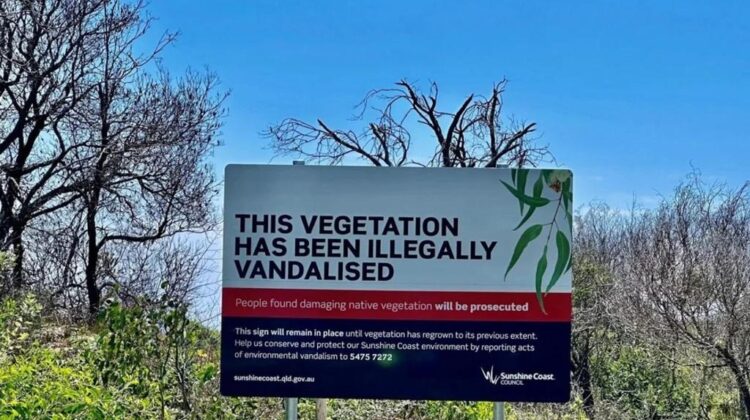
In Australia, councils are taking a firm stand against illegal tree clearing, a growing problem often driven by property owners seeking to enhance their views. With fines reaching staggering amounts and innovative deterrents like large signs blocking the view, local governments are tackling this issue head-on. This article covers recent cases, the penalties imposed, and the environmental consequences, along with the creative measures councils are taking to protect native land.
Australia’s Battle Against Tree Vandalism
The Sunshine Coast Council in Queensland has become one of the most visible examples of strict enforcement against illegal tree clearing. In October 2023, a Mudjimba couple appeared in Caloundra Magistrates Court and was fined $12,000, plus ordered to pay $9,272 in restitution costs, after illegally clearing native trees in a bushland reserve near their property, according to the Sunshine Coast Council. Magistrate Stephanie Tonkin noted the case reflected “the importance the community placed on vegetation and habitats for native species.”
Council records show this is far from an isolated incident — it received 123 complaints for illegal tree removal between January 2020 and late 2023 alone, with serious matters investigated at Buderim, Shelly Beach, Warana, Mudjimba, Marcoola, and Yaroomba.
Environmental Consequences of Tree Poisoning
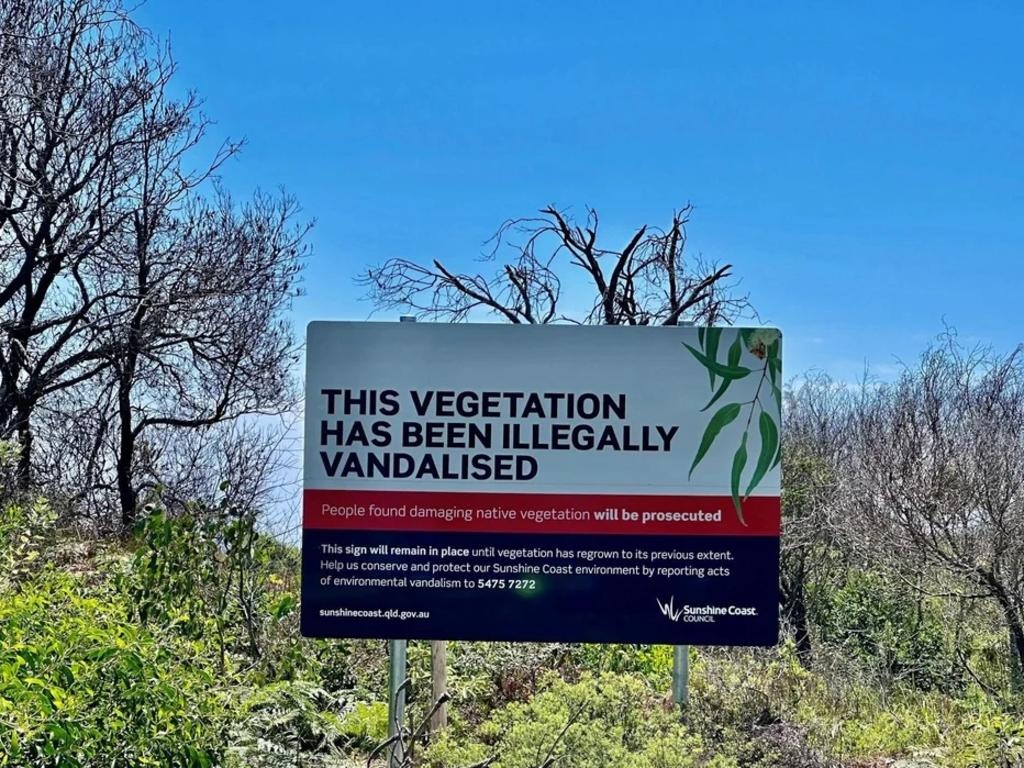
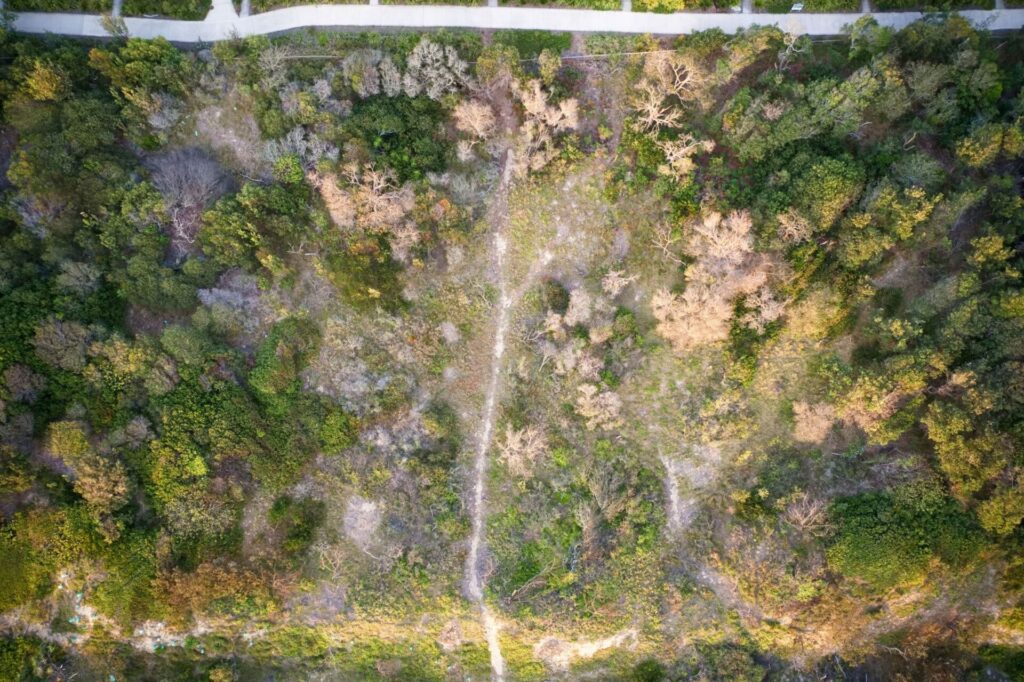
The illegal poisoning of trees, often carried out using herbicides, poses severe environmental threats. In a separate 2023 incident along the Mudjimba-Marcoola Foreshore Reserve, roughly 8,000 square meters of vegetation — about the size of two football fields — was destroyed. Testing revealed the use of an unusual herbicide that lingers in the soil for years, delaying natural recovery. Environment and Liveability Portfolio Councillor Maria Suarez described the incident as “a case of blatant, malicious destruction with clear intent to not just damage the area, but devastate it,” noting the damage also increased light pollution risk for endangered loggerhead turtles nesting on the beach below.
More recent cases show the pattern continuing. In 2024, a similar poisoning incident at Coolum’s First Bay drew a $34,000 fine, while a related case at the Donegal Drive Environmental Reserve resulted in a $20,000 fine plus $14,452 in compensation, according to Yahoo News Australia. A separate 2024 prosecution ended with a resident ordered to pay $56,516.26 in total penalties and compensation after a trial.
Creative Penalties: Blocking the View
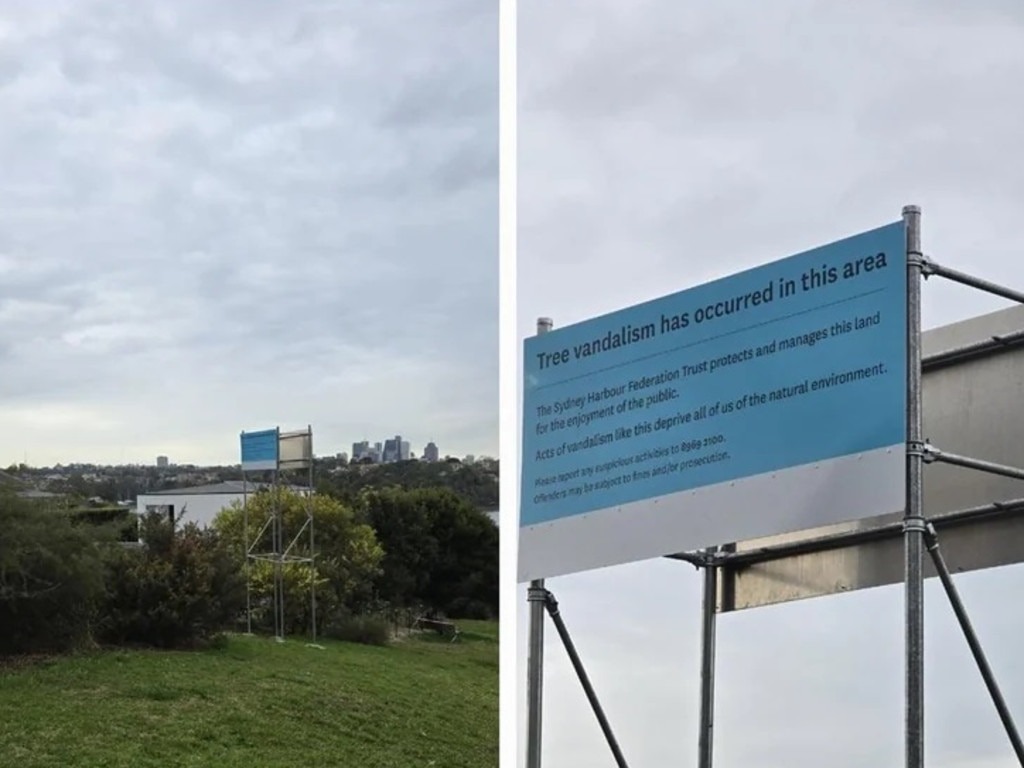
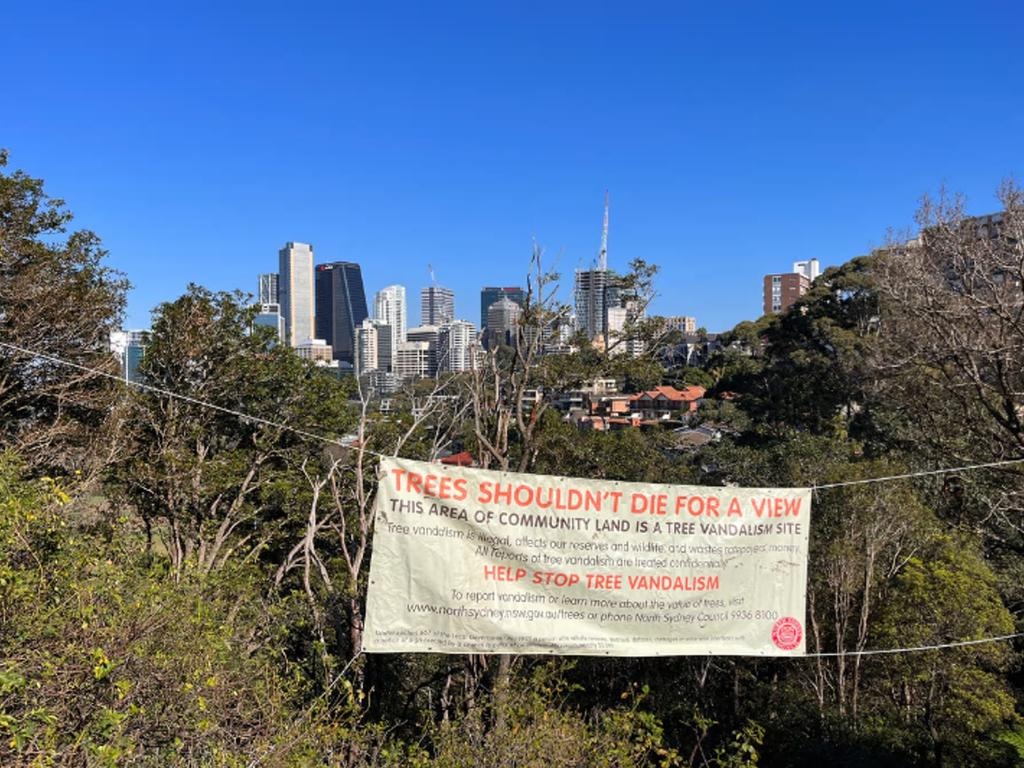
To deter would-be tree vandals, some councils have adopted an unusual approach: erecting large signs exactly where the trees once stood — publicly marking the damage and, notably, blocking the very view the illegal clearing was meant to create.
- Sydney Harbour Federation Trust has displayed signs reading, “Tree vandalism has occurred in this area.”
- North Sydney Council’s banners declare, “Trees shouldn’t die for a view.”
Council statements indicate these signs remain in place until the site has naturally regenerated — turning the punishment into a long-term, highly visible deterrent rather than a one-time fine.
Fines and Penalties: A Strong Deterrent
The financial consequences for illegal tree clearing in Queensland can be severe:
- Sunshine Coast Council can impose fines up to $131,580 for illegal clearing on council-managed land.
- Cases referred to the Queensland Environmental Protection Act can carry even steeper penalties.
- Separately, a farmer in New South Wales received a record $348,000 fine for illegally clearing five square kilometers of vegetation — one of the largest such penalties recorded in the state.
Public Cooperation and Reporting
Councils rely heavily on public reports to identify offenders, since — as Sunshine Coast Council has acknowledged — these cases are often difficult to investigate without a tip from someone who witnessed the activity. Residents who notice unauthorized clearing or suspected tree poisoning in a council-managed reserve are generally encouraged to report it to their local council rather than confront the situation themselves.
Frequently Asked Questions
Why do people illegally clear trees on public land? Most documented cases in Australia involve property owners attempting to improve an ocean, harbour, or bushland view from their own home by removing trees on adjacent council-managed or reserve land.
How are councils detecting illegal tree poisoning specifically? Soil and vegetation testing can identify unusual or restricted herbicides, which is how several Queensland cases — including the Mudjimba-Marcoola incident — were confirmed as deliberate poisoning rather than natural dieback.
What should I do if I witness illegal tree clearing? Most Australian councils, including Sunshine Coast Council, ask residents to report the location and any details (vehicles, timing, individuals involved) directly to council customer service rather than intervening directly.
Sources: Sunshine Coast Council, OurSC, and Yahoo News Australia, cited above.
Leave a Reply