• Skip to main content
  • Skip to primary sidebar
  • Skip to footer
  • Home
  • About Us
  • Copyright Report
  • Submit Content
  • Terms
  • Privacy Policy
  • Legal Disclaimer

Hasan Jasim

Hasan Jasim is a place where you may get entertainment, viral videos, trending material, and breaking news. For a social generation, we are the largest community on the planet.

Incredibly Rare “Cotton Candy” Lobster Is A 1-In-100-Million Discovery

by Hasan Jasim Editorial Team Leave a Comment

ShareTweet

Talk about catch of the day!

Nothing makes us team happier than an unusually colored lobster. From Banana to Bowie, these colorful rare crustaceans give us an extraordinary insight into both the colors it’s possible for a lobster to be and the genetic mutations that cause these rare color morphs to happen.

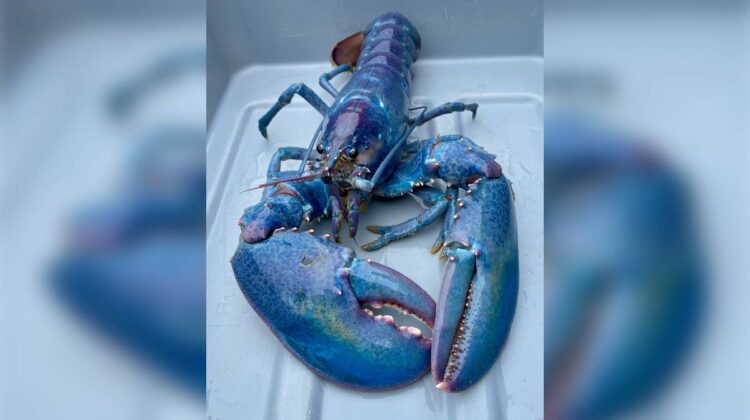
The latest lobster to join the gang is an incredibly rare “cotton candy” color morph, a one-in-100-million finding that was saved from the dinner plate after being caught by a commercial fishing vessel belonging to the Atlantic Lobster Company off the coast of New Castle in New Hampshire, USA. The owner of the boat took it to the Seacoast Science Centre in Rye.
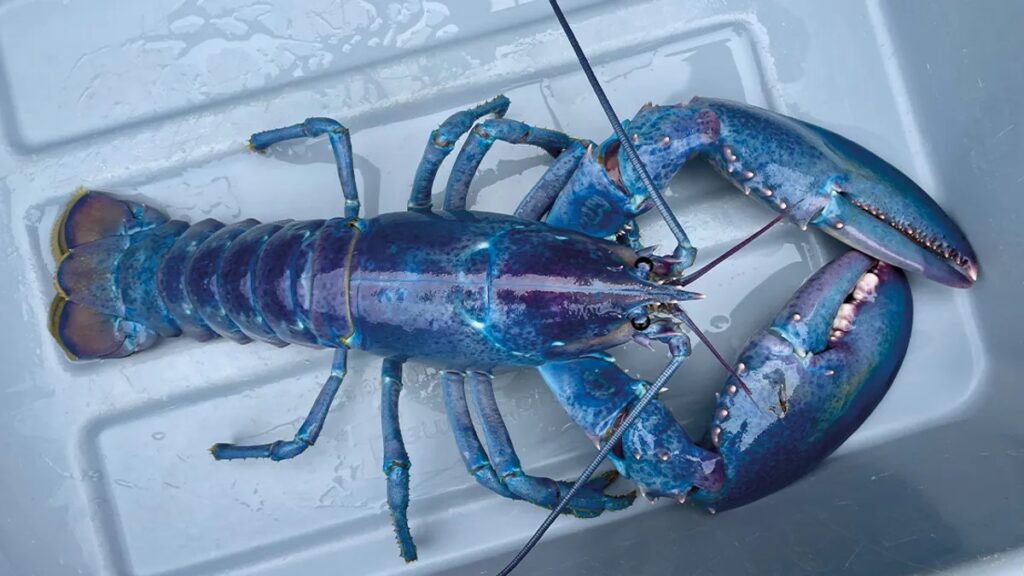
While the color might be impressive, it does make the lobster more vulnerable to predators. Image courtesy of the Seacoast Science Center

“I think it is definitely the only one I will ever catch, maybe even the only one I will ever see again in my lifetime. I’m over the moon about catching it, and letting it be seen by everyone at the Science Center makes it even better,” Joseph Kramer from the Atlantic Lobster Company, who caught the animal, told Smithsonian Magazine.

The male lobster is an incredibly rare “cotton candy” color morph. Animals can become all sorts of different colors due to genetic mutations. Albino, leucistic, and melanistic individuals are all due to either over- or underproduction of the pigment melanin. Lobsters have colored carotenoid pigments in hues of red, yellow, and blue, which often make the lobster appear reddish or brown. In these rare cases, some of the pigments are expressed too much or not at all, leading to a whole rainbow of lobster coloration.
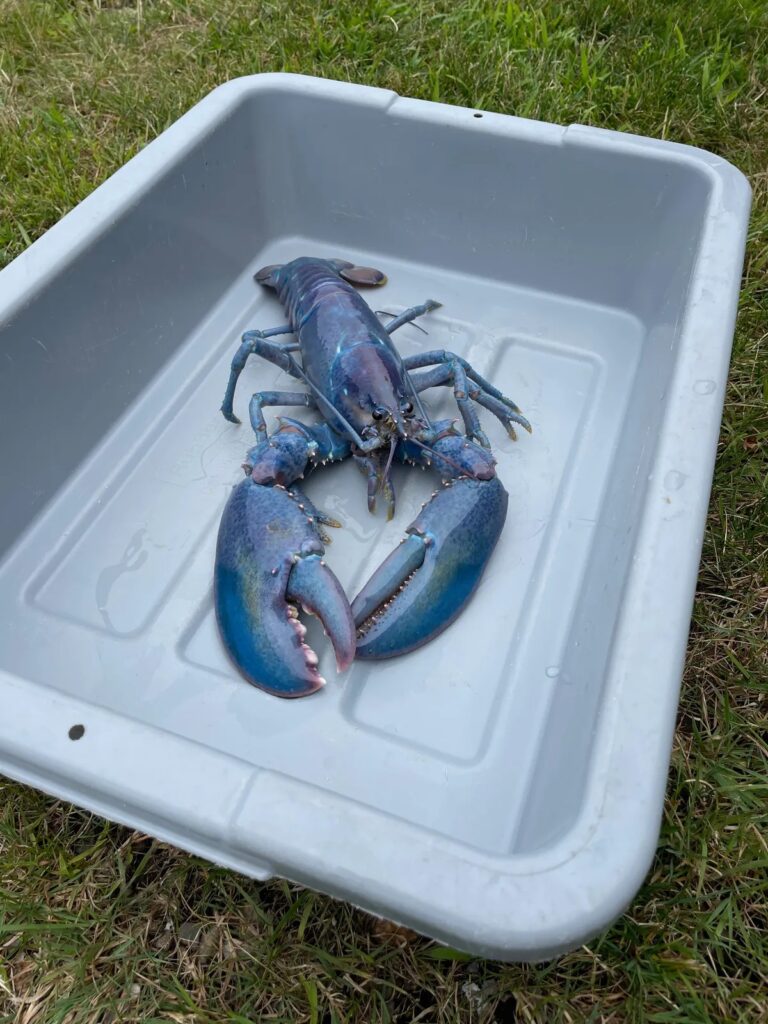
This lobster will now join other funky colored individuals at the center. Image courtesy of the Seacoast Science Center

“Lobsters come in a few color descriptions from orange, yellow, red, blues, and cotton candy, which is a mixture of pinks and purples on a blue backdrop resembling ‘cotton candy.’ So, this is where the name comes from. There are also split lobsters, for example, red on one side and black on the other, as well as calico, another rare coloration where the lobster has a distinctive black and orange mottled color pattern,” said Sam Rutka, an aquarist at the Seacoast Science Center where the lobster now lives, in a statement sent to us.

While the genetic reasons why these colors crop up aren’t fully understood, lobster parent Peaches and her 100 offspring are helping scientists figure out the mystery. “At this point, no one really knows in detail why some lobsters develop these multicolor variations, though we do have some theories,” the University of New England’s Dr. Markus Frederich, professor of marine sciences, said in a news release.
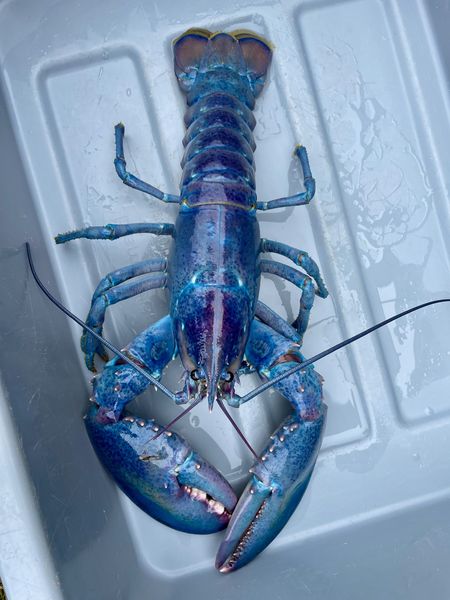
The incredibly rare “cotton candy” lobster serves as a vivid reminder of the natural world’s stunning variety and the genetic wonders that lie beneath the surface.

Filed Under: Trends Worldwide Tagged With: “cotton, 1-in-100-million, candy, discovery, Incredibly, lobster, rare, trends, worldwide

Reader Interactions

Leave a Reply Cancel reply

Your email address will not be published. Required fields are marked *

Primary Sidebar

More to See

What does it mean when a person help waiters, according to psychology

By Hasan Jasim Editorial Team

Bic Pen: A Revolutionary Invention

By Hasan Jasim Editorial Team

Surprisingly, Bees Top The List of The Most Lethal Venomous Creatures in Australia

By Hasan Jasim Editorial Team

Here Are the World’s Oldest Clothes and They Still Look Beautiful Today

By Hasan Jasim Editorial Team

Station Squabble: The Playful but Intense World of Mice Fighting

By Hasan Jasim Editorial Team

The Chinese Giant Salamander is the Largest Amphibian in the World and Can Grow to Almost 2 Meters and 60 Kilograms

By Hasan Jasim Editorial Team

Art in Motion: Dynamic Sculpture Evolves into Functional Handrail for Steep Stairs

By Hasan Jasim Editorial Team

Footer

ABOUT HASANJASIM.ONLINE

Hasanjasim.online is a digital platform dedicated to publishing well-researched articles about the animal kingdom, nature, and the environment. Our editorial team works to source stories from credible outlets, scientific research, and verified reports, aiming to inform as much as we entertain. From wildlife conservation and animal behavior to natural wonders and environmental science, we cover the topics that help readers better understand and appreciate the natural world. Whether you're a lifelong nature lover or simply curious about the planet we share, Hasanjasim.online aims to be a trustworthy destination for stories worth reading — and worth citing.

Recent

  • Euphorbia Hirta (“Asthma-Plant”): What Traditional Use and Real Research Actually Show
  • A Mystery Animal Has Been Randomly Attacking People in New Hampshire — Here’s What We Know
  • A Woman Was Filmed Sharing Her Ice Cream With Her Dog — Here’s What Vets Actually Say About It
  • Dolphin Calf Incident in Ceuta Sparks Outrage After Disturbing Beach Footage Emerges
  • Lactuca Serriola Root: Traditional Uses of Prickly Lettuce (Wild Lettuce) Root
  • The Puppy a Firefighter Couldn’t Leave Behind — and the Story Didn’t End There
  • A Mother Dog Dove Into Floodwater Again and Again — Until All 7 of Her Puppies Were Safe

Search