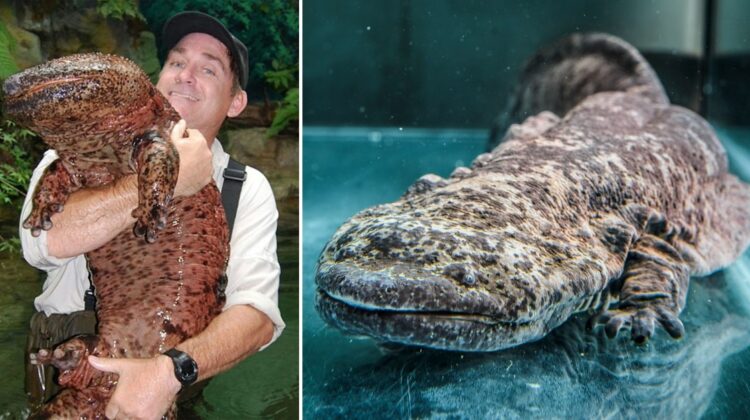
The Chinese giant salamander (Andrias davidianus) holds the title of the largest amphibian in the world, with the capability to grow to almost 2 meters and weigh up to 60 kilograms. This remarkable creature, often described as a living fossil, is far from your average salamander.
A Unique and Enormous Amphibian
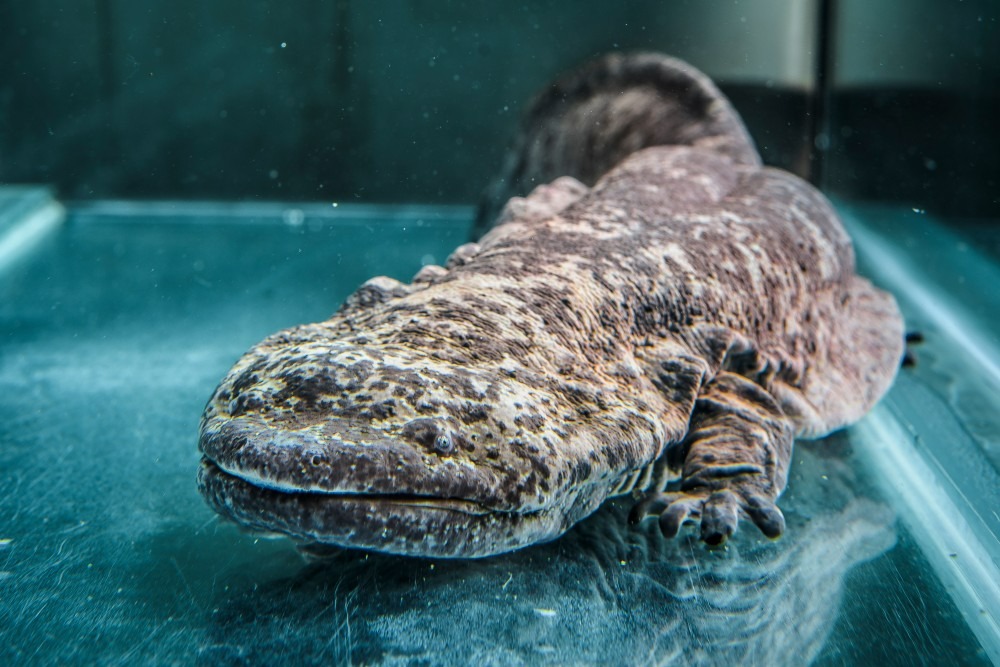
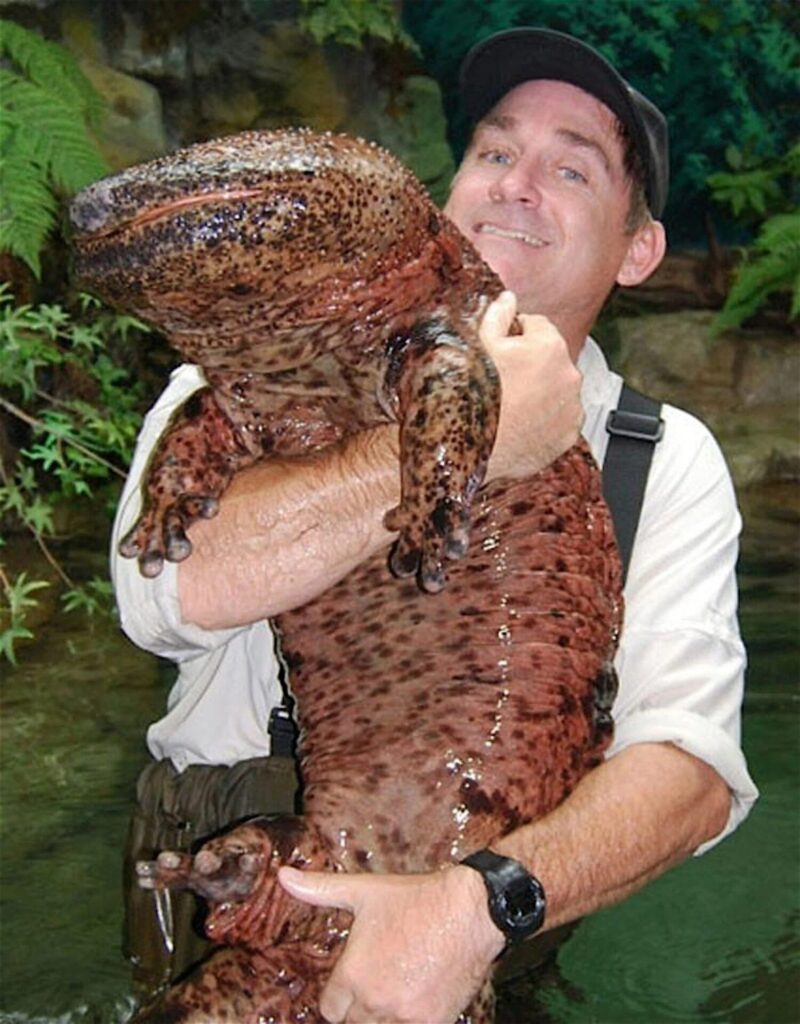
Native to central and eastern China, the Chinese giant salamander can reach lengths of up to 1.8 meters (almost 6 feet) and weigh nearly 60 kilograms (130 pounds). Its impressive size makes it the largest extant amphibian on Earth. Although traditionally considered a single species, recent research has identified three distinct species across southern, central, and eastern China. The South China giant salamander (Andrias sligoi) is particularly noteworthy, growing nearly 2 meters in length.
Longevity and Habitat
Unlike many other amphibians, Chinese giant salamanders can live exceptionally long lives, sometimes exceeding 30 years in the wild and up to 60 years in captivity. The disparity in lifespan between wild and captive individuals is largely due to the differing conditions they face. In captivity, these salamanders benefit from medical care and protection from predators, whereas wild salamanders are more vulnerable to illness and environmental threats.
These giant amphibians inhabit diverse environments, including rivers, lakes, caves, and subterranean rivers. In some Chinese regions, underground populations persist, as those living aboveground are often over-fished for their eggs, leading to their decline.
Endangered Status and Conservation Efforts
The Chinese giant salamander is critically endangered and is among the world’s most threatened amphibians due to habitat loss, environmental degradation, and over-exploitation for traditional Chinese medicine and food. The wild population has dramatically decreased, with current estimates suggesting fewer than 50,000 individuals remain.
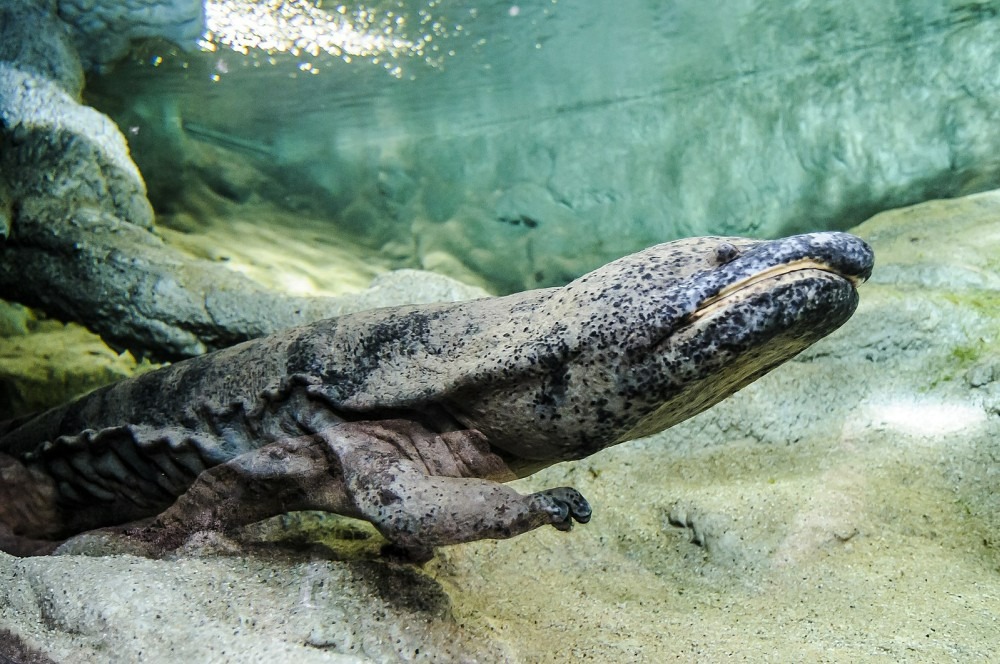
Petr HamerníkIn contrast, 2.6 million Chinese giant salamanders were kept on farms in Shaanxi alone as of 2011, vastly outnumbering the wild population. However, farms have struggled to produce second-generation captive-bred offspring, further endangering the species.
Biological and Evolutionary Significance
The unique biology of the Chinese giant salamander contributes to its special concern. Despite being fully aquatic, it has a single lung used primarily for buoyancy but also for breathing. This capability, along with its ability to breathe through its skin, allows it to thrive in both aquatic and terrestrial environments.
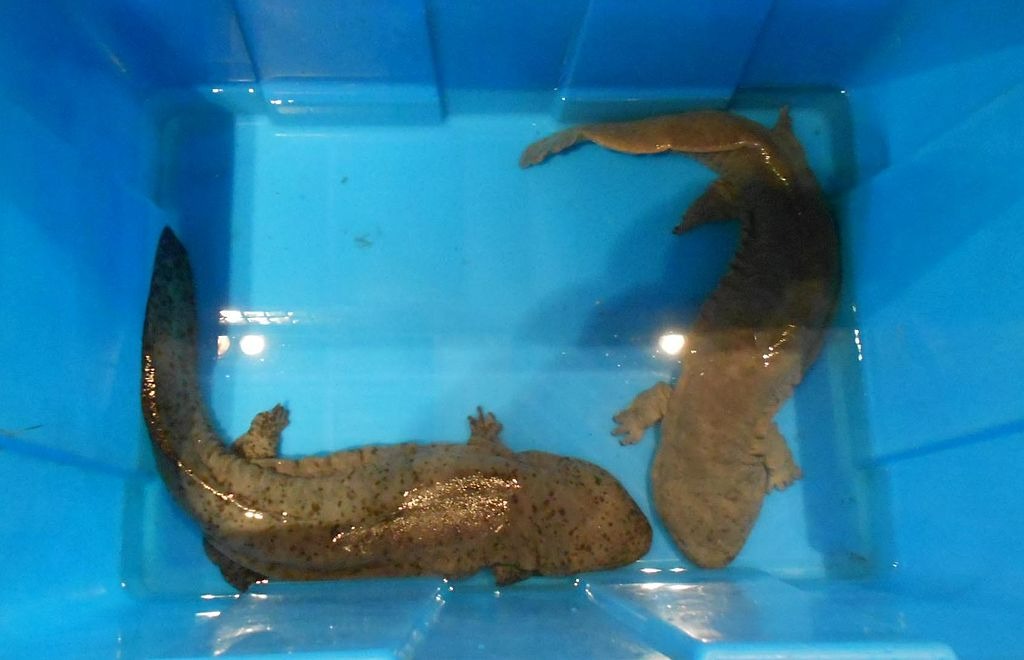
With small, nearly invisible eyes positioned atop its head, the Chinese giant salamander has poor vision but compensates with a lateral line system that helps locate fish in water. Interestingly, these animals produce sounds resembling a baby’s cry, earning them the ironic nickname “baby fish.”
As a living fossil, the Chinese giant salamander has remained relatively unchanged for millions of years, providing valuable insights into amphibian evolution.
Ongoing Conservation Efforts

To protect this species, the Chinese government has established protected areas and banned the harvest and sale of wild individuals. Breeding and release programs have also been initiated to bolster wild populations. Despite these efforts, the success of conservation initiatives remains crucial to the survival of the Chinese giant salamander.
By continuing to prioritize conservation, we can hope to preserve this extraordinary species for future generations.
Leave a Reply