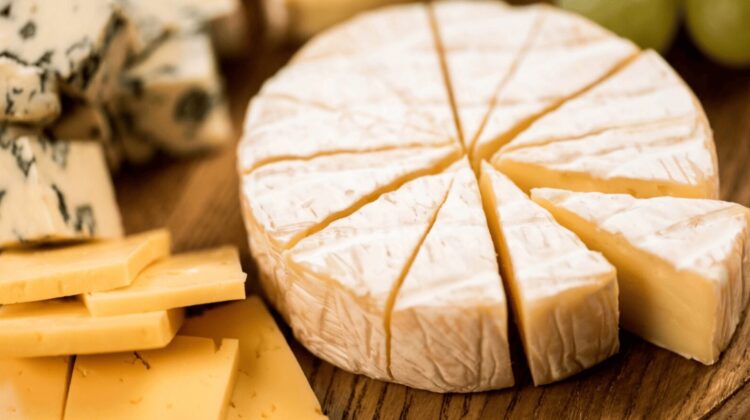
A food long blamed for clogged arteries has just turned up in a surprising brain-health finding. Researchers say the picture is more complicated than a green light for the cheese plate.
What the Swedish Study Found
A team from Lund University in Sweden, led by nutrition researcher Yufeng Du with senior author Emily Sonestedt, followed 27,670 adults for up to 25 years. Their study, published in December 2025 in the journal Neurology, looked at how different dairy foods related to dementia risk.
People who ate 50 grams or more of high-fat cheese a day (about 1.8 ounces) had a 13 percent lower risk of dementia than those who ate less than 15 grams. Among heavy cheese eaters, about 10 percent developed dementia, compared with 13 percent of light eaters. Those who consumed 20 grams or more of high-fat cream a day, roughly 1.4 tablespoons of heavy whipping cream, had a 16 percent lower risk than those who ate none.
What Counts as “High-Fat”
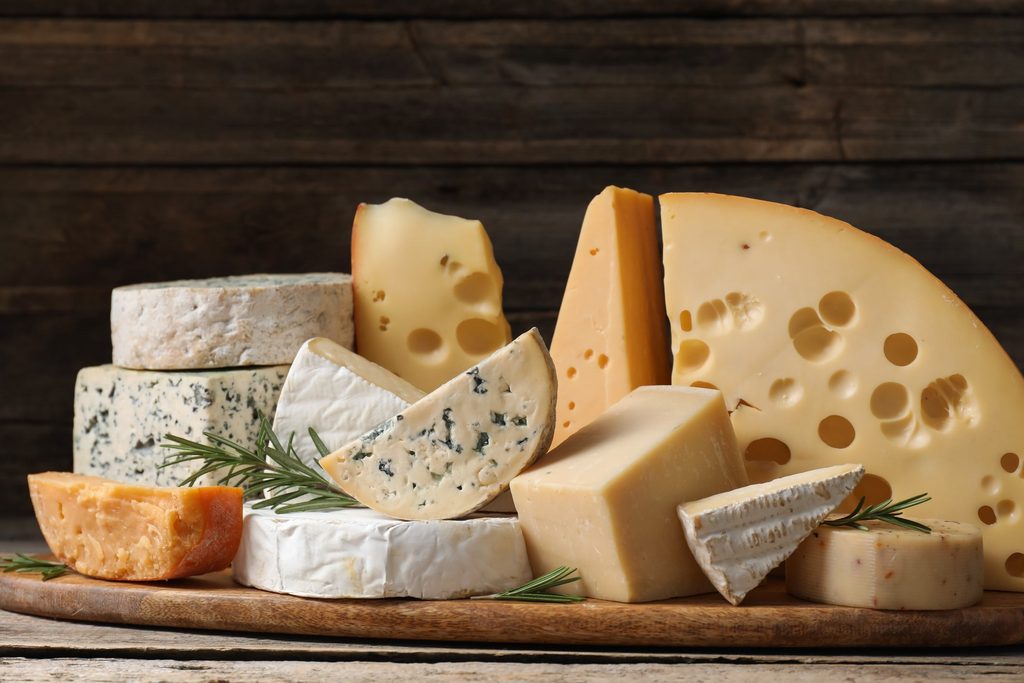
The researchers defined high-fat cheese as varieties with more than 20 percent fat, such as cheddar, Brie and Gouda. High-fat cream meant products with over 30 percent fat, like whipping cream or double cream. These are typically sold as “regular” or “full-fat” versions.
The Long Road of Data
The participants came from the Malmö Diet and Cancer study, a long-running Swedish project that began when they were between 45 and 73. They recorded what they ate over a week, answered questions about how often they ate certain foods and described how they prepared meals. Over the follow-up, 3,208 people, around 12 percent, developed dementia.
Not All Dementia, Not All Dairy
The effect varied by dementia type. High-fat cheese eaters had a 29 percent lower risk of vascular dementia. They also had a lower risk of Alzheimer’s disease, but only people who did not carry the APOE e4 gene variant, a known genetic risk factor.
Other dairy products showed no such link. The researchers found no association between dementia and low-fat cheese, low-fat cream, milk of any fat level, butter or fermented dairy like yogurt and kefir. “When it comes to brain health not all dairy is equal,” Sonestedt said.
The Fine Print
Experts stress that this is an observational study. It shows a link, not cause and effect. “This does not prove that cheese prevents dementia,” Sonestedt told CNN, adding that it challenges the assumption that all high-fat dairy is bad for the brain.
Several limits matter. Participants’ diets were measured only once, and everyone lived in Sweden, so results may not apply elsewhere. An outside expert quoted by CNN noted that under a different statistical approach the associations became non-significant, and that the apparent benefit was clearest when cheese replaced processed or fatty red meat. Cheese also adds saturated fat and sodium to a diet, so moderation still matters, especially for people with heart or cholesterol concerns.
Planning for Brain Health and Healthy Aging
Whatever the final answer on cheese, research keeps pointing to diet, exercise and planning as part of healthy aging. Consider these options:
- Insurance and care planning. Compare long-term care insurance, Medicare supplement plans and health insurance for seniors.
- Memory care. Research memory care facility costs, in-home senior care services and dementia care programs.
- Eating well. Explore MIND diet meal delivery, Mediterranean diet cookbooks and registered dietitian consultations.
- Brain-friendly habits. Look at online nutrition courses, fitness trackers and cognitive health screenings.
- For cheese lovers. Browse artisan cheese subscription boxes and cheese tasting experiences.

Frequently Asked Questions
Does eating cheese prevent dementia? No, the study found an association only, and the lead researchers say it does not prove that cheese prevents dementia.
How much cheese did the study link to lower risk? People who ate about 50 grams or more of high-fat cheese a day had a 13 percent lower dementia risk than those who ate less than 15 grams daily.
Did low-fat dairy show the same effect? No. Low-fat cheese, low-fat cream, milk, butter and fermented dairy such as yogurt and kefir showed no association with dementia risk.
Who took part in the research? The study followed 27,670 people from Malmö, Sweden, for up to 25 years, and 3,208 of them developed dementia.
Should I change my diet because of this study? One observational study isn’t a reason to overhaul your diet, and anyone with heart disease, high cholesterol or other health concerns should talk to a doctor or dietitian first.
Sources: Lund University, ScienceAlert, HealthDay, CNN, Fox News, and Alzheimer Europe, all covering the December 2025 Neurology study by Yufeng Du and Emily Sonestedt on high-fat cheese, cream and dementia risk in Sweden’s Malmö Diet and Cancer cohort.
Leave a Reply