• Skip to main content
  • Skip to primary sidebar
  • Skip to footer
  • Home
  • About Us
  • Copyright Report
  • Submit Content
  • Terms
  • Privacy Policy
  • Legal Disclaimer

Hasan Jasim

Hasan Jasim is a place where you may get entertainment, viral videos, trending material, and breaking news. For a social generation, we are the largest community on the planet.

‘Mystery volcano’ that erupted and cooled Earth in 1831 has finally been identified

by Hasan Jasim Editorial Team Leave a Comment

ShareTweet

In 1831, an unknown volcanic eruption triggered one of the most significant cooling events of the 19th century. This eruption released massive amounts of sulfur dioxide, altering global temperatures and ushering in widespread environmental and societal changes. Nearly two centuries later, scientists have unveiled the identity of this “mystery volcano”—Zavaritskii on Simushir Island in the remote Kuril Islands. This discovery sheds light on how volcanic activity in secluded locations can shape global climates and histories.

A Historic Climatic Event

The 1831 eruption occurred during the closing years of the Little Ice Age, a period marked by colder-than-average temperatures across the Northern Hemisphere. The explosion spewed sulfur dioxide into the stratosphere, reducing average global temperatures by 1°C (1.8°F). This abrupt cooling disrupted weather patterns, leading to crop failures and famines in regions such as Europe, India, and Japan.

Scientists long suspected a tropical volcano, like those in the Philippines, to be the source. However, recent research, including ice core analysis from Greenland and cutting-edge geochemical studies, pointed northward to Zavaritskii.
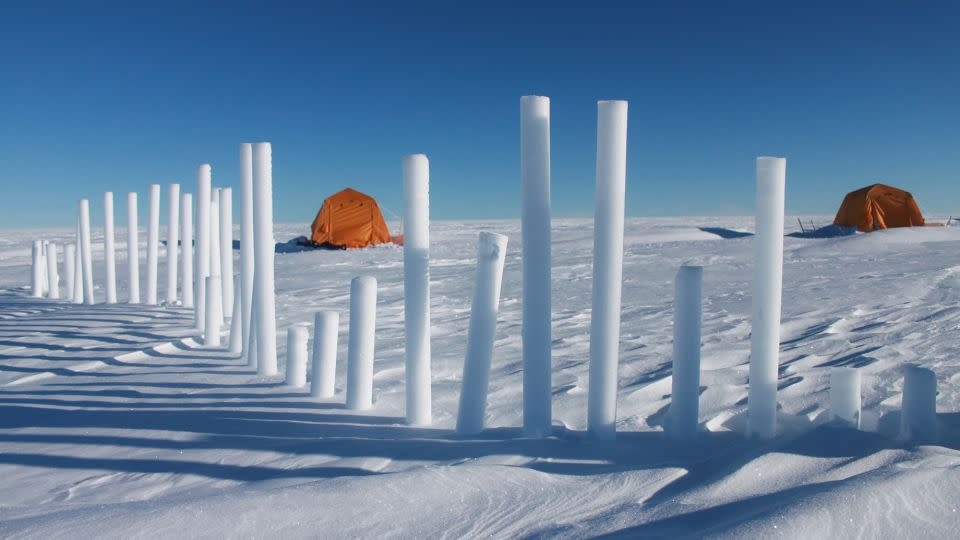
The examination of ice cores in Greenland provided clues about the “mystery volcano” that erupted in 1831. – Michael Sigl

Unveiling Zavaritskii: A Forgotten Giant

Zavaritskii volcano, situated on an uninhabited island between Russia and Japan, was overlooked due to its remoteness and sparse historical records. Ice core studies revealed sulfur deposits in Greenland far exceeding those in Antarctica, implicating a midlatitude volcano in the Northern Hemisphere. Subsequent geochemical analysis matched ash and volcanic glass samples from Zavaritskii to those found in Greenland’s ice layers.

Radiocarbon dating of volcanic ash deposits on Simushir Island confirmed the timing of the eruption, narrowing it to the early 19th century.

The Role of Remote Volcanoes in Global Cooling

Zavaritskii’s eruption, alongside other major volcanic events of the era, highlights the critical impact of poorly monitored, remote volcanoes. The event coincided with three other eruptions between 1808 and 1835, including Mount Tambora in 1815 and Cosegüina in 1835, which collectively shaped the final years of the Little Ice Age.
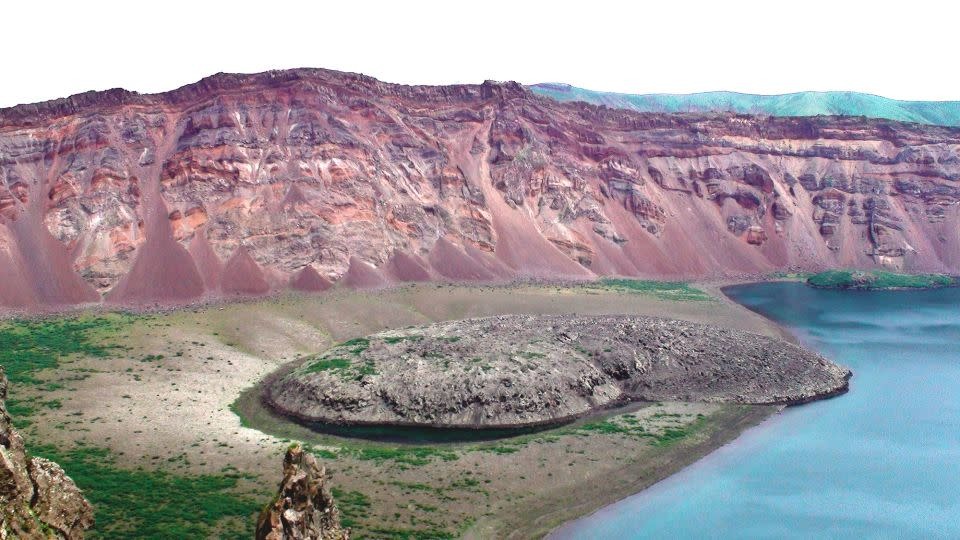
The 1831 eruption occurred at Zavaritskii volcano on Simushir Island. The explosion generated a 1.87-mile-wide caldera, revealing red, black and white layers made up of past eruptive deposits. – Oleg Dirksen

These eruptions drastically cooled the climate, worsening agricultural failures and exacerbating famines worldwide. The 1831 eruption stands out for its severe sulfur fallout and its misattribution to tropical volcanoes, emphasizing the importance of accurate historical volcanic records.

A Global Wake-Up Call

The revelation of Zavaritskii’s role underscores the potential for remote volcanic activity to trigger widespread environmental and societal upheaval. Dr. William Hutchison, the study’s lead author, warns of the lack of international preparedness for future large-scale eruptions.

“We need a coordinated global strategy to address the threats posed by these hidden giants,” Hutchison said.

The identification of Zavaritskii volcano as the source of the 1831 eruption offers critical insights into the complex relationship between volcanic activity and climate change. It also serves as a reminder of the interconnectedness of Earth’s systems and the vulnerability of societies to natural disasters.

As scientists continue to uncover the secrets of Earth’s geological past, understanding the role of remote volcanoes like Zavaritskii will remain crucial in preparing for future climatic challenges.

Filed Under: Trends Worldwide Tagged With: 1831 eruption, CLIMATE CHANGE, Climate Change Effects, Climate Cooling, Climate impact, Earth science, Famine, Global cooling, Global Cooling Events, Kuril Islands, Kuril Islands Volcano, Little Ice Age, Mystery volcano, natural disasters, Remote Volcanic Eruptions, scientific discovery, volcanic eruption, Volcanic History, Volcanic Sulfur Dioxide, Zavaritskii Volcano

Reader Interactions

Leave a Reply Cancel reply

Your email address will not be published. Required fields are marked *

Primary Sidebar

More to See

A Kind Street Musician Performs A Lullaby For a Tired Stray Cat

By Hasan Jasim Editorial Team

Yellowstone tourist drives too close to territorial bison – and it’s an expensive mistake

By Hasan Jasim Editorial Team

Tremendous Rescue Cow Demands Snuggles From Everyone He Meets

By Hasan Jasim Editorial Team

Lavender covers old coal mines

By Hasan Jasim Editorial Team

Hospice grants dying 79-year-old woman’s final wish – to see her beloved horse one last time

By Hasan Jasim Editorial Team

For his beloved 20-year-old cat, a man builds a custom home elevator

By Hasan Jasim Editorial Team

Unlikely Friendship: Warthog and Family of Mongooses Form Partnership for Peculiar Cleaning Ritual

By Hasan Jasim Editorial Team

Footer

ABOUT HASANJASIM.ONLINE

Hasanjasim.online is a digital platform dedicated to publishing well-researched articles about the animal kingdom, nature, and the environment. Our editorial team works to source stories from credible outlets, scientific research, and verified reports, aiming to inform as much as we entertain. From wildlife conservation and animal behavior to natural wonders and environmental science, we cover the topics that help readers better understand and appreciate the natural world. Whether you're a lifelong nature lover or simply curious about the planet we share, Hasanjasim.online aims to be a trustworthy destination for stories worth reading — and worth citing.

Recent

  • Scientists Found Ancient Americans Living Where No Humans Should Have Been
  • This African Bird Wears Sunflowers Around Its Eyes — Meet the White-Crested Helmetshrike
  • 25 Animals You’ve Probably Never Heard Of — From a Cuban Land Snail to a Marsupial That Mates Itself to Death
  • Woman finds cow’s tooth in takeout taco. The chain says it can happen
  • Healthy Senior Dog Spared After Family Asked Veterinarians to Euthanize Her, Georgia Rescue Says
  • How People Around the World Write Laughter Online
  • The Disturbing Story Behind This Award-Winning Photojournalism Image

Search