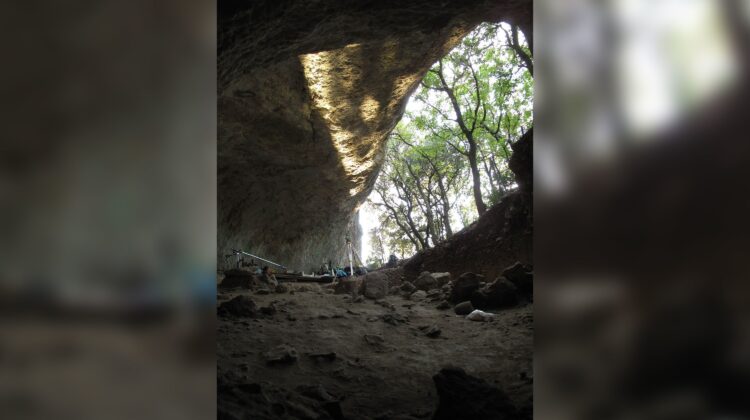
The Panga ya Saidi cave network in Kenya’s Rift Valley has been occupied by Homo sapiens for an astonishing 78,000 years. A new study published in the journal Nature Communications sheds light on how human culture and technology have changed over that time.
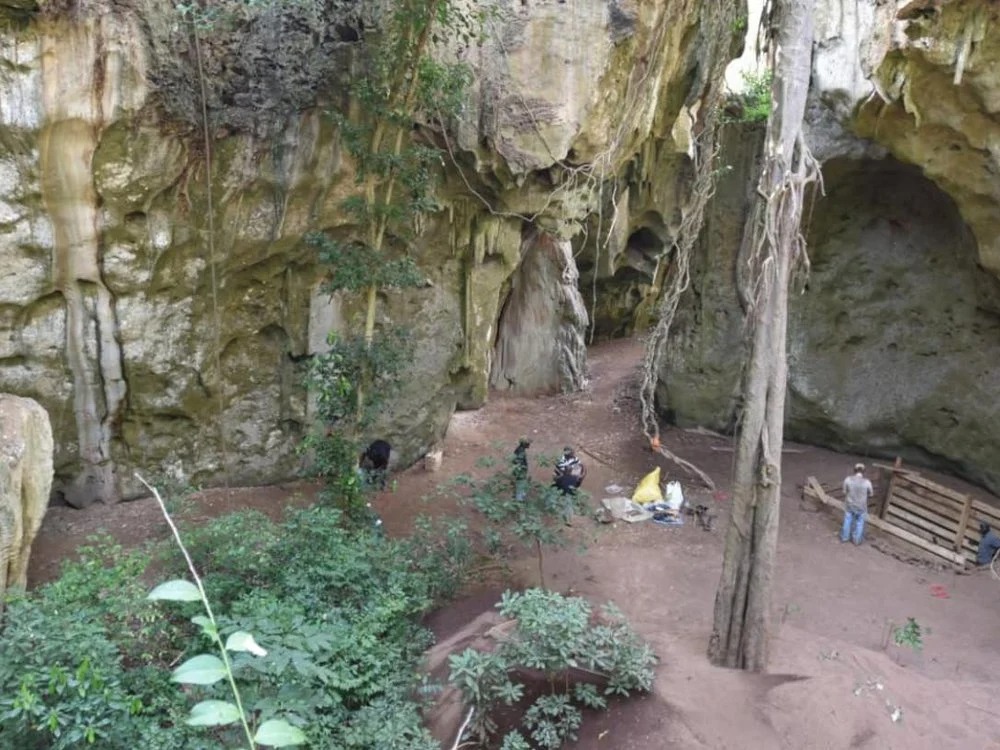
The cave network is located in an ecotone, where grassland and coastal tropical forest meet. This unique spot allowed the cave dwellers to exploit resources from both environments. The location also spared the cave from climatic fluctuations over the centuries. While drought may have impacted the savannah or the forest at certain times, the site of Panga ya Saidi seems to have received plenty of precipitation, which may explain why humans decided to stay around continuously.
The oldest artifacts found in the cave date back around 78,000 years and are Middle Stone Age toolkits. A distinct change occurs in newer layers that emerged 67,000 years ago in the Later Stone Age, where toolkits become much smaller, showing a switch in technologies. However, following layers dating back 60,000-50,000 years reveal a mix of tool types, which goes against the idea posited by archaeologists that change happens during technological “revolutions” where a new technology is quickly and widely adopted.
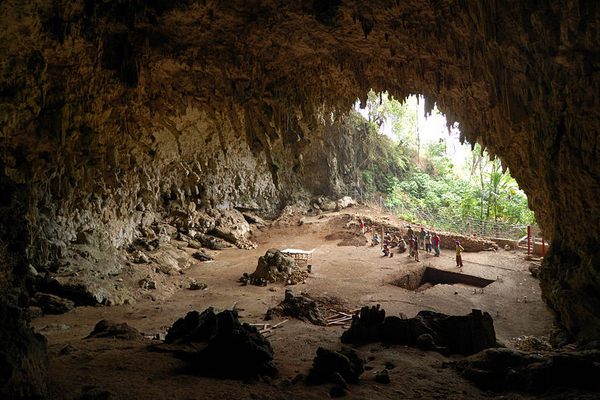
The jewelry found in the cave also tells its own story of change. The earliest bead ever discovered in Kenya, dating between 67,000 and 63,000 years ago, comes from the cave. Beginning 33,000 years ago, beads made from shells plucked from beaches along the Indian Ocean about 9 miles away became the accessory of choice. Around 25,000 years ago, ostrich shell beads became popular, before the seashells came back into vogue around 10,000 years ago. Other decorative or ritual objects such as carved bones and chunks of red ochre were found throughout the layers, indicating that there were no significant cultural or cognitive “revolutions” at the Panga ya Saidi site. Taken together, the tools and decorative artifacts paint a picture of a culture that changed slowly over time.
One surprising finding is the absence of seafood. Despite being relatively close to the coast, there is no evidence that the cave dwellers were dependent on coastal resources. Instead, they were reliant on inland, terrestrial resources in their tropical forest and grassland ecosystem.
The excavations in Panga ya Saidi suggest that technological and cultural change came slowly over time, and early humans were not reliant on coastal resources. The location of the cave allowed for the exploitation of resources from both the grassland and coastal tropical forest environments. The slow cultural and technological changes witnessed in the Panga ya Saidi site support the idea that significant cultural revolutions were not necessary for the development of human culture. The Panga ya Saidi site is a testament to the human ability to adapt and innovate, even in the face of changing environments.
Leave a Reply