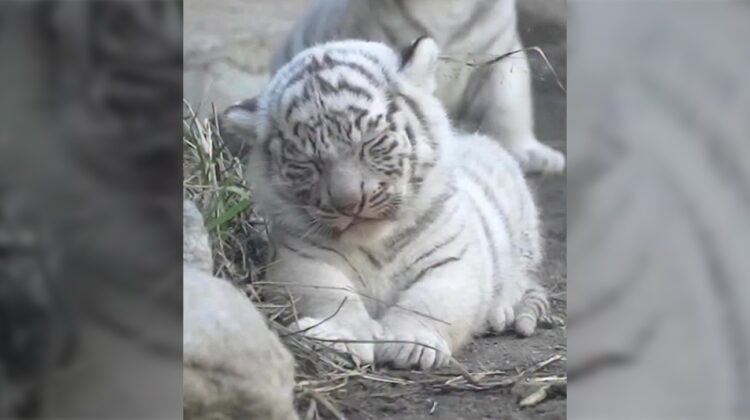
A photographer has captured a heartwarming moment of a white tiger cub fast asleep, offering a rare glimpse into one of nature’s most peaceful scenes.
Curled up in complete comfort, the sleepy cub appeared completely unaware of the world around it, reminding many viewers that even one of the planet’s most powerful predators begins life much like a playful domestic kitten.
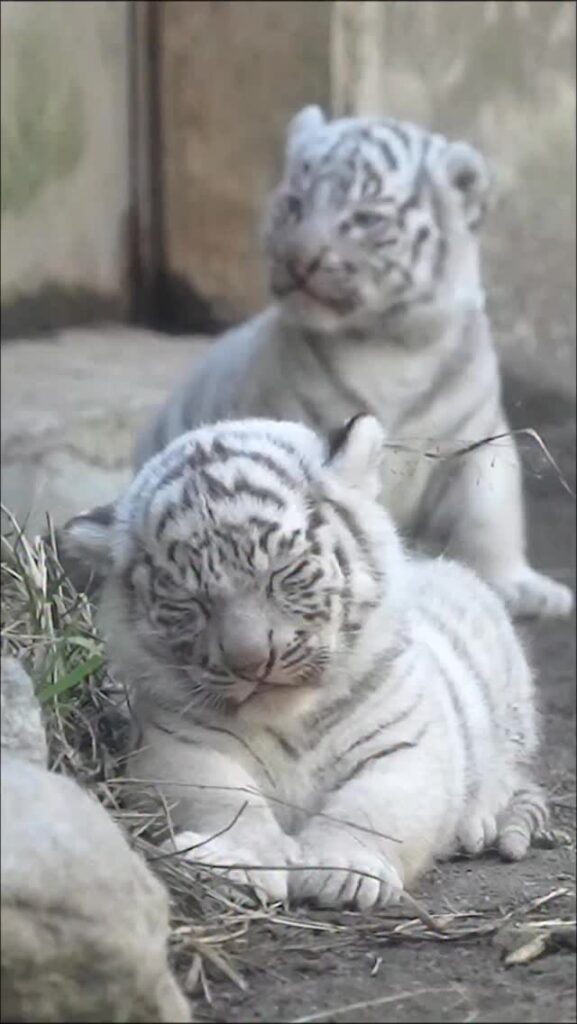
Wildlife experts explain that tiger cubs spend much of their first months sleeping as their bodies and brains develop. Young cubs typically rest for 18 to 20 hours each day, conserving energy needed for rapid growth, strengthening their immune systems and supporting healthy development.
White tigers are not a separate species but a rare color variant of the Bengal tiger, caused by a recessive genetic trait that gives them their distinctive white coat and dark stripes. Although they may look different, their behavior, development and needs are the same as those of other Bengal tigers.
As the cub grows older, those long hours of sleep will gradually give way to play, exploration and learning essential hunting and survival skills from its mother. Until then, moments like this gentle nap serve as a reminder of the vulnerable beginnings of one of the world’s most iconic big cats.
Wildlife Conservation and the Future of White Tigers
White tigers continue to fascinate wildlife enthusiasts around the world, but conservationists emphasize that protecting natural tiger populations is far more important than breeding animals for their unusual appearance. Preserving healthy habitats, preventing illegal wildlife trade and supporting conservation programs are essential for ensuring that future generations of tigers can thrive in the wild. Every successful conservation effort helps safeguard one of Earth’s most remarkable predators.
Leave a Reply