• Skip to main content
  • Skip to primary sidebar
  • Skip to footer
  • Home
  • About Us
  • Copyright Report
  • Submit Content
  • Terms
  • Privacy Policy
  • Legal Disclaimer

Hasan Jasim

Hasan Jasim is a place where you may get entertainment, viral videos, trending material, and breaking news. For a social generation, we are the largest community on the planet.

Scientists looked deep beneath the Doomsday Glacier. What they found spells potential disaster for the planet

by Hasan Jasim Editorial Team Leave a Comment

ShareTweet

Scientists have recently made a chilling discovery deep beneath the Thwaites Glacier in Antarctica, a massive ice formation often dubbed the “Doomsday Glacier.” Their findings paint a grim picture of the glacier’s accelerating melting rate, raising serious concerns about the potential for catastrophic global sea level rise.

The Accelerating Melt

The International Thwaites Glacier Collaboration, a team of scientists from around the world, has been studying Thwaites Glacier for several years. Their latest research, published in a series of studies, reveals that the glacier is melting at a much faster pace than previously thought. This rapid ice loss could lead to an irreversible collapse, with devastating consequences for coastal communities worldwide.
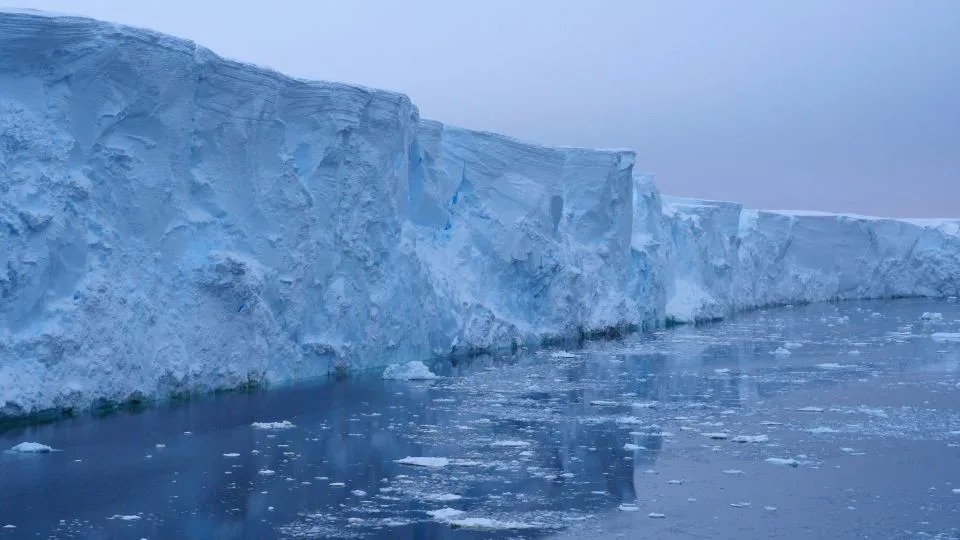
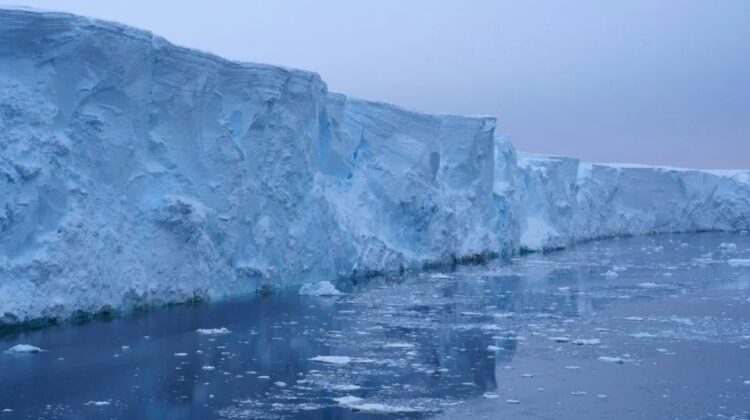
Photograph of the high cliffs of Thwaites Glacier taken from the British Antarctic Survey Twin Otter aircraft. – Rob Larter

The Potential for Catastrophic Sea Level Rise

Thwaites Glacier holds enough ice to raise global sea levels by more than two feet. However, the real danger lies in its potential to destabilize the entire Antarctic Ice Sheet. If Thwaites collapses, it could trigger a chain reaction, leading to a total sea level rise of up to 10 feet. Such a dramatic rise would have catastrophic consequences for coastal cities and low-lying islands, displacing millions of people and causing widespread economic devastation.
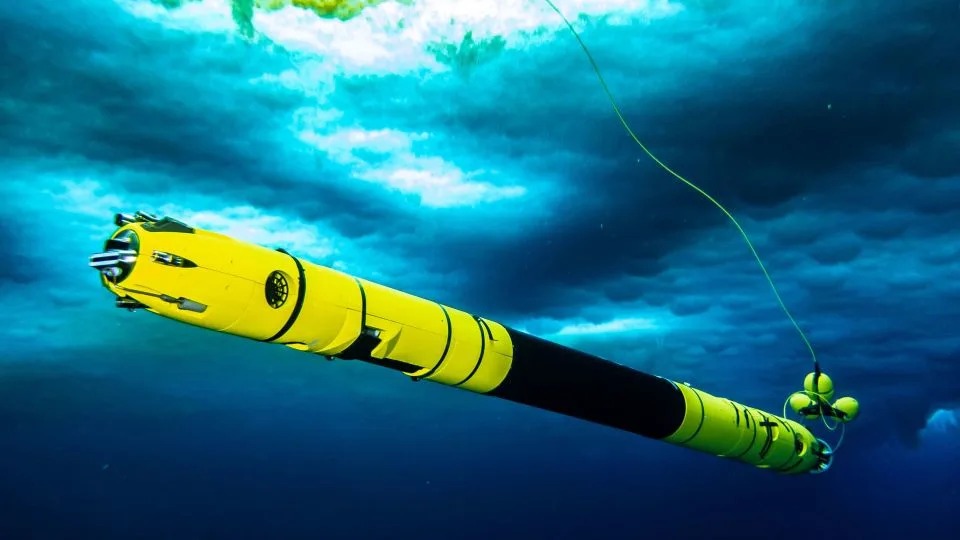
Image of Icefin under the sea ice near McMurdo Station. – Rob Robbins/ITGC

The Underlying Causes

The scientists’ research has uncovered several factors contributing to Thwaites’ rapid melting. Warm ocean water is seeping beneath the glacier, melting it from below. Additionally, the glacier’s grounding line, the point where it meets the ocean floor, is retreating rapidly, exposing more ice to the warm water. These factors are exacerbating the glacier’s vulnerability to climate change.
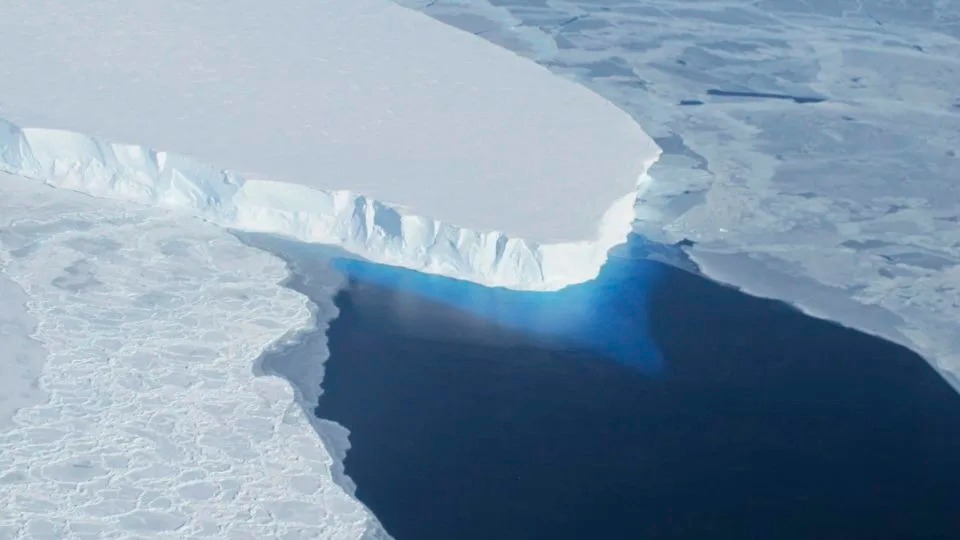
The Thwaites Glacier in Antarctica – NASA/Reuters

The Urgent Need for Action

The findings of the International Thwaites Glacier Collaboration underscore the urgent need for global action to address climate change. Reducing greenhouse gas emissions is essential to slow the rate of global warming and mitigate the worst effects of climate change, including sea level rise.

As the world faces the growing threat of climate change, it is imperative that we take decisive steps to protect our planet and its inhabitants. The future of our coastal communities may depend on it.

Filed Under: Trends Worldwide Tagged With: Antarctic ice sheet, antarctica, CLIMATE CHANGE, climate crisis, climate emergency, coastal erosion, coastal flooding, Doomsday Glacier, environmental catastrophe, environmental news, environmental science, global sea level rise, global warming, sea level rise, Thwaites Glacier

Reader Interactions

Leave a Reply Cancel reply

Your email address will not be published. Required fields are marked *

Primary Sidebar

More to See

Strange Bird Nest In Garden Has Blue Eggs – See Surprise As They Hatch 10 Days Later

By Hasan Jasim Editorial Team

Are 2005 chevy impalas good cars?

By Hasan Jasim Editorial Team

Scientists Dropped Gophers Onto Mount St Helens For 1 Day. 40 Years Later, The Effect Is Astonishing

By Hasan Jasim Editorial Team

Stunning photographs appear to show man loading the MOON into his car boot in stunt that took two years of planning

By Hasan Jasim Editorial Team

Driver Comes to a Halt to Allow Elephants to Cross The Road, and One of Them Comes to Thank Him

By Hasan Jasim Editorial Team

Eco-Friendly Revolution: Dutch Startup’s Mushroom Coffins Biodegrade in 45 Days

By Hasan Jasim Editorial Team

Fish Feel Pain Very Similarly To How We Do

By Hasan Jasim Editorial Team

Footer

ABOUT HASANJASIM.ONLINE

Hasanjasim.online is a digital platform dedicated to publishing well-researched articles about the animal kingdom, nature, and the environment. Our editorial team works to source stories from credible outlets, scientific research, and verified reports, aiming to inform as much as we entertain. From wildlife conservation and animal behavior to natural wonders and environmental science, we cover the topics that help readers better understand and appreciate the natural world. Whether you're a lifelong nature lover or simply curious about the planet we share, Hasanjasim.online aims to be a trustworthy destination for stories worth reading — and worth citing.

Recent

  • Euphorbia Hirta (“Asthma-Plant”): What Traditional Use and Real Research Actually Show
  • A Mystery Animal Has Been Randomly Attacking People in New Hampshire — Here’s What We Know
  • A Woman Was Filmed Sharing Her Ice Cream With Her Dog — Here’s What Vets Actually Say About It
  • Dolphin Calf Incident in Ceuta Sparks Outrage After Disturbing Beach Footage Emerges
  • Lactuca Serriola Root: Traditional Uses of Prickly Lettuce (Wild Lettuce) Root
  • The Puppy a Firefighter Couldn’t Leave Behind — and the Story Didn’t End There
  • A Mother Dog Dove Into Floodwater Again and Again — Until All 7 of Her Puppies Were Safe

Search