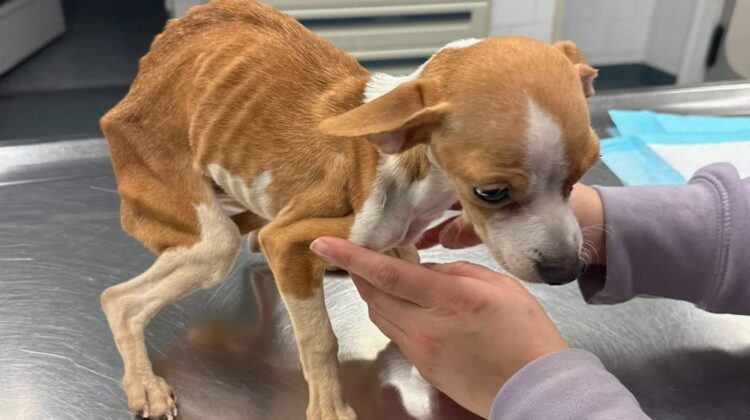
In January 2025, a tenant in a Bronx apartment building noticed something moving slowly along the hallway. It was a tiny brown-and-white puppy, so thin that her ribs showed through her coat, wandering with barely enough strength to stay upright.
A Neighbor Who Acted
The tenant did not walk past. Concerned by the puppy’s skeletal frame and weak condition, she contacted NYC Second Chance Rescue, a nonprofit that takes in critically ill, injured, and neglected animals, particularly those at risk in overcrowded shelters.
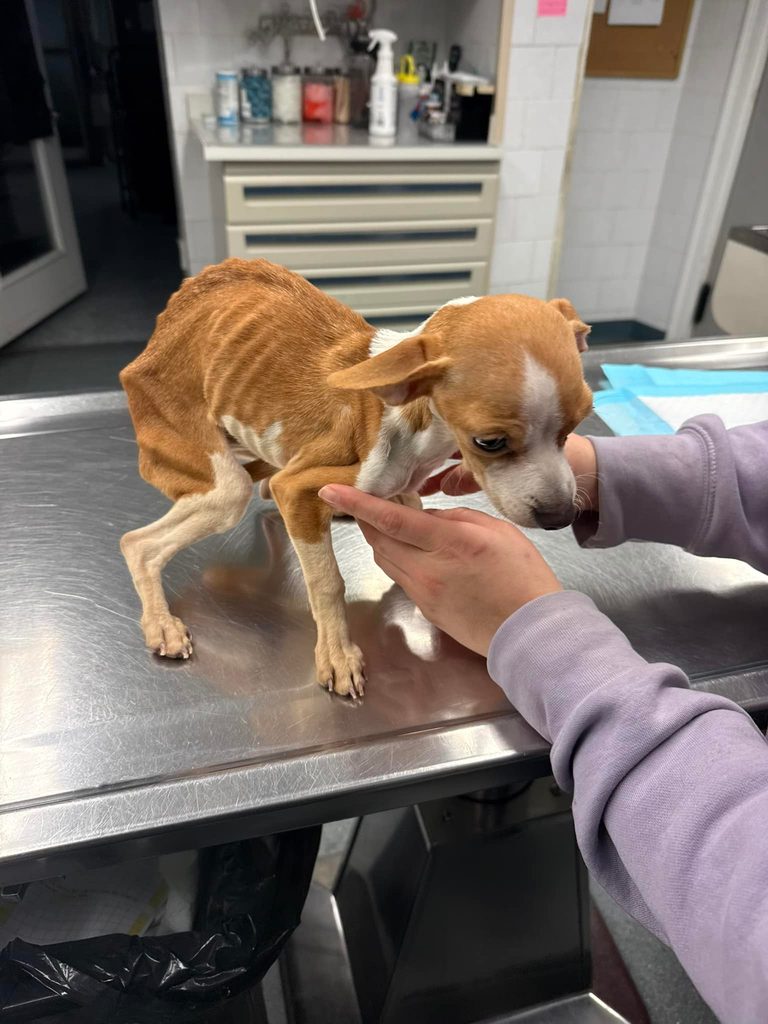
Rescuers arrived quickly. In a Facebook post on January 22, the group described a dog who was not only “skin and bones” but also vomiting and weak, and said she was rushed to a partner veterinary clinic for immediate care. Vets estimated she was only a few months old. Staff named her Baby Gina.
A Fight Against the Clock
Gina’s biggest dangers came with recovery itself. The rescue reported that she had a urinary tract infection and was at high risk of refeeding syndrome, a life-threatening condition that can develop when a severely malnourished body starts eating again. The complication can strike quickly, so staff monitored her around the clock while running X-rays and bloodwork.
“There are so many unknowns. We are just praying she can pull through,” the rescue wrote. “She is just a baby.”
The Internet Rallies
Her story spread fast. Thousands of people commented with messages of support, and donations poured in to help cover her medical care. Local news picked up the story as well.
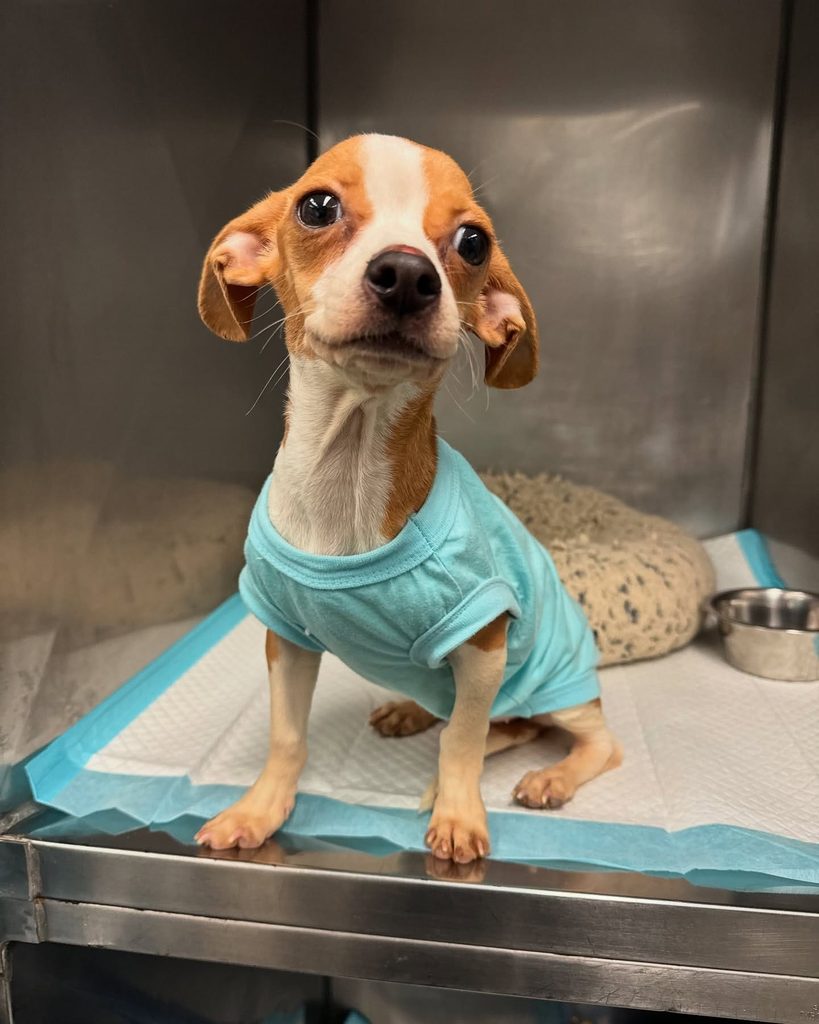
Within days the news turned hopeful. The rescue reported that Gina was doing better, sharing that she was happy, loved, and recovering.
A Home of Her Own
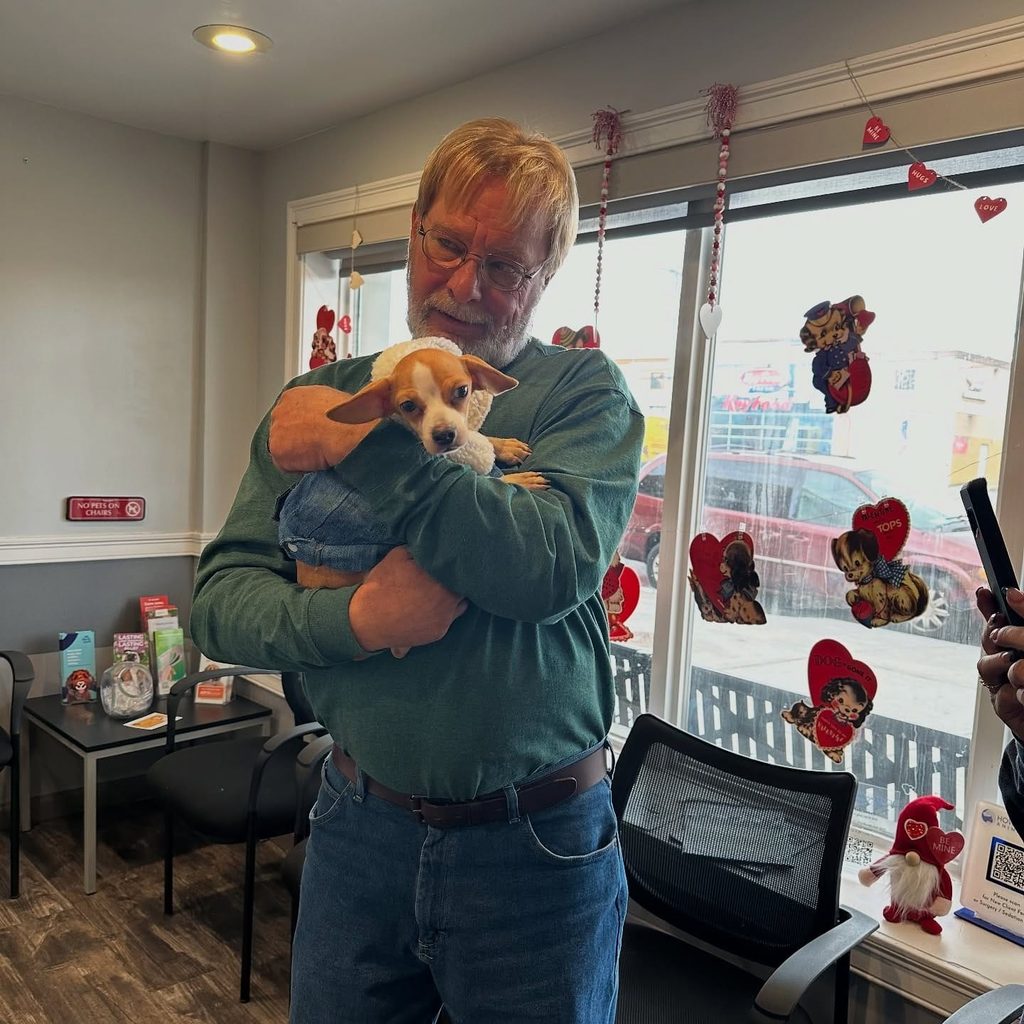
The turnaround was quick. By January 31, PEOPLE reported, Baby Gina had left the hospital and found her forever home. The rescue celebrated with photos of her leaving with her new family, calling her the reason its team never gives up and noting that she would now know only love and comfort.
Frequently Asked Questions
What is refeeding syndrome?
It is a dangerous shift in the body’s fluids and electrolytes that can occur when a severely underfed animal or person begins to eat normally again. It can develop suddenly, which is why starving animals are fed gradually under veterinary supervision.
What should you do if you find a neglected or abandoned animal?
Contact local animal control, a humane society, or a rescue organization right away. If the animal appears to be in immediate danger, call the police non-emergency line and provide as much detail as possible about where you found it.
How can people support rescues like this one?
Donating, fostering, volunteering, and sharing animals’ stories all help. Many rescues rely entirely on public donations to cover emergency veterinary care.
Can animal neglect be reported anonymously?
In many places, yes. Local animal control agencies and humane organizations commonly accept anonymous tips, and reporting suspected neglect can lead to investigation and intervention.
Sources: PEOPLE, iHeartDogs, and Parade Pets, all citing NYC Second Chance Rescue.
Leave a Reply