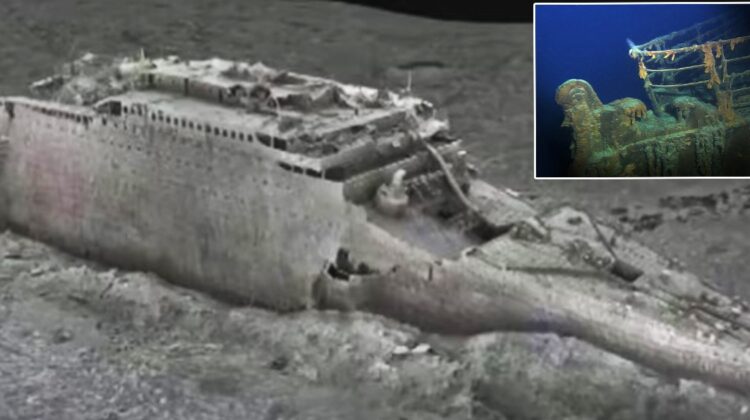
More than a century after its sinking, the story of the RMS Titanic continues to grip the world with unanswered questions and chilling details.
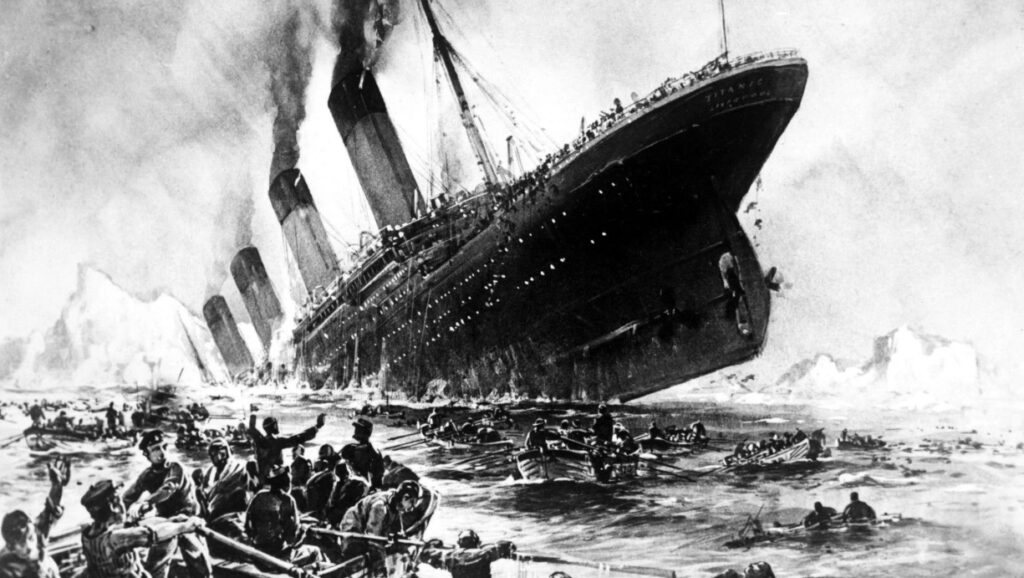
On April 15, 1912, during its maiden voyage from Southampton to New York, the ship once hailed as “unsinkable” struck an iceberg and sank into the icy Atlantic Ocean. More than 1,500 passengers and crew lost their lives that night, marking one of the deadliest maritime disasters in history.
Yet among all the tragedy, one disturbing mystery has endured: why were so few bodies ever recovered?
The Long Search for the Titanic Wreck
For decades, the Titanic’s final resting place remained elusive. It wasn’t until September 1, 1985, that the wreck was finally discovered, lying more than 12,000 feet beneath the surface of the Atlantic Ocean.
The challenge was not knowing where the ship sank, but pinpointing its exact location in the vast, dark ocean. Deep-sea explorer Robert Ballard spent eight relentless days scanning the seabed before locating the wreck around 400 miles off the coast of Newfoundland, Canada.
Ballard used a technique known as debris tracking, a method he had previously used to locate a sunken nuclear submarine. When he finally saw the Titanic resting silently on the ocean floor, he described it as a moment filled with reverence.
“We made a promise to never take anything from that ship, and to treat it with great respect,” Ballard later told CBS News.
Artifacts Found, But No Bodies
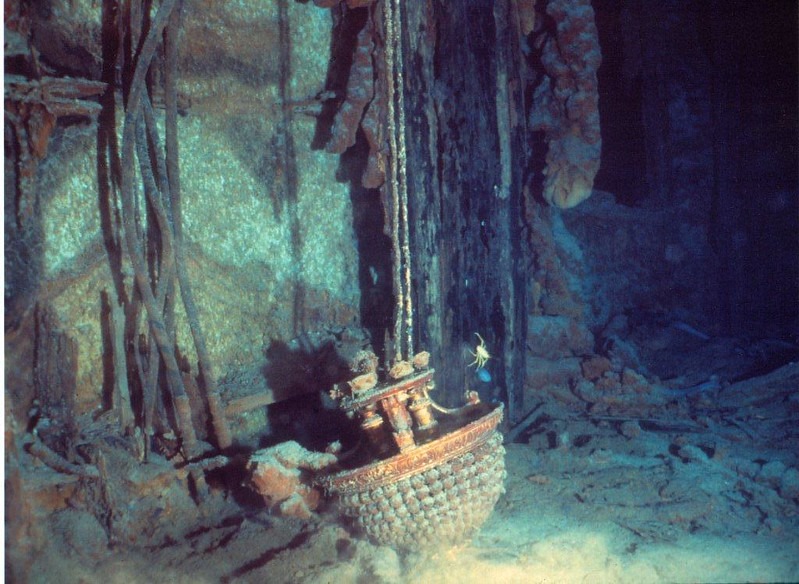
Subsequent expeditions recovered hundreds of artifacts: furniture, dishes, personal belongings, and fragments of everyday life frozen in time. However, something deeply unsettling became apparent.
Human remains were almost entirely absent.
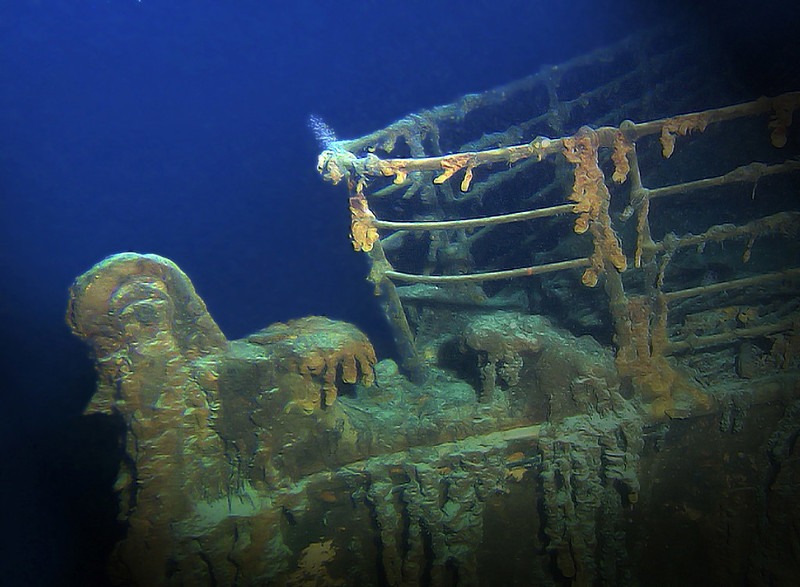
The wreck was found split in two, surrounded by a massive debris field stretching nearly five miles long. Shoes, boots, and clothing were scattered across the ocean floor — silent indicators that bodies had once been there.
Yet, out of the 337 bodies recovered shortly after the sinking, only a fraction were ever brought back to land. The rest vanished without a trace.
James Cameron, who has explored the Titanic wreck more than 30 times, summed it up bluntly:
“I’ve seen zero human remains. We’ve seen clothing. We’ve seen pairs of shoes. But we’ve never seen any human remains.”
What Really Happened to the Bodies?
The answer lies in the extreme conditions of the deep ocean.
At depths exceeding 12,000 feet, water temperatures hover just above freezing, pressure is crushing, and sunlight never reaches. Over time, marine organisms consumed the soft tissue of the bodies.
But that still doesn’t explain the disappearance of skeletons.
Why Bones Could Not Survive
According to Robert Ballard, the Titanic lies below what scientists call the calcium carbonate compensation depth. At this depth, seawater lacks sufficient calcium carbonate — a key component of human bones.
Once sea creatures stripped away the remaining flesh, the bones themselves slowly dissolved into the surrounding water.
Ballard explained to NPR:
“Below about 3,000 feet, the water is under-saturated in calcium carbonate. Once the critters eat the flesh and expose the bones, the bones dissolve.”
This explains why shoes, boots, and metal objects remain, while skeletons do not.
A Chilling Contrast Beneath the Seas
Ballard compared the Titanic site with shipwrecks in the Black Sea, where oxygen-deprived waters prevent marine life from consuming bodies. In those conditions, remains can stay preserved for centuries.
The Titanic, however, rests in an environment where nature methodically erases all traces of human life.
The Eerie Reality of the Ocean’s Power
For many, learning the fate of Titanic’s victims is deeply unsettling. Online reactions often describe the truth as “horrifying” and “eerie.”
Yet some find a strange sense of peace in knowing that the victims were ultimately reclaimed by nature itself.
As one observer put it:
“The only comfort is that those victims were given back to nature the only way Mother Nature knows how.”
The Titanic’s Slow Disappearance
Even the ship itself is not immune to time.
Iron-eating bacteria are steadily consuming the Titanic’s hull, weakening its structure year after year. Scientists estimate that within the next 50 years, the wreck may collapse entirely, leaving behind little more than rust and scattered debris.
A Modern Tragedy at the Titanic Site
In 2023, the Titanic became the backdrop for another devastating loss.
The Titan submersible, operated by OceanGate to carry tourists to the wreck, imploded during its descent. All six people onboard were killed instantly, including OceanGate co-founder Stockton Rush and renowned Titanic expert Paul-Henri Nargeolet.
The incident served as a grim reminder that the depths guarding the Titanic remain as unforgiving today as they were in 1912.
Bottom Line: A Mystery Shaped by Nature
The mystery of the Titanic’s missing bodies is no longer unanswered — but it remains haunting.
It stands as a powerful reminder of the ocean’s immense force, the fragility of human life, and the way nature ultimately reclaims everything left in its path.
More than a century later, the Titanic still whispers its story from the darkness below.
Leave a Reply