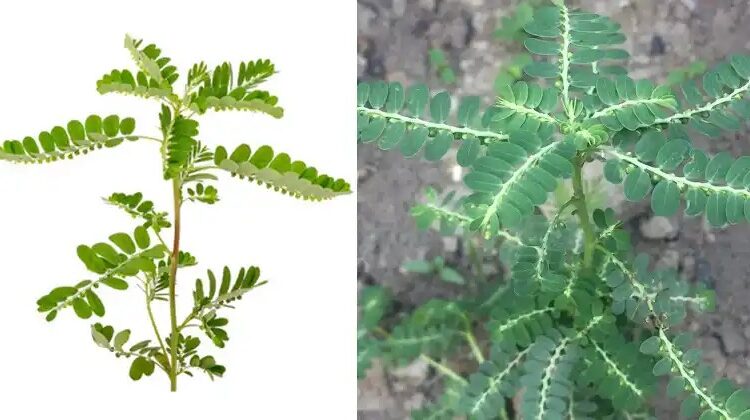
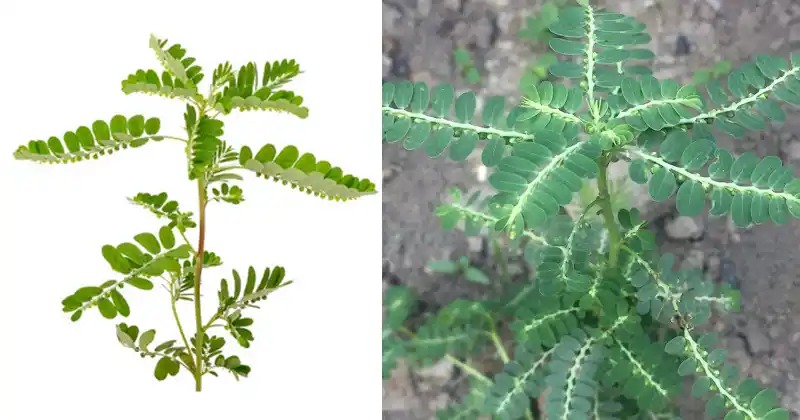
Phyllanthus niruri — known in traditional medicine as “Stone Breaker,” or quebra-pedra in Brazil, where it’s most widely used — has a centuries-long reputation for helping the body pass or resist kidney stones. It’s now sold commercially in the U.S. and elsewhere under names like Stone Breaker, Chanca Piedra, and Stone Crusher. The reputation is real. What’s more complicated is how strong the actual clinical evidence behind it is.
What the Plant Is Believed to Do
Traditional and preliminary research use points to a few proposed mechanisms:
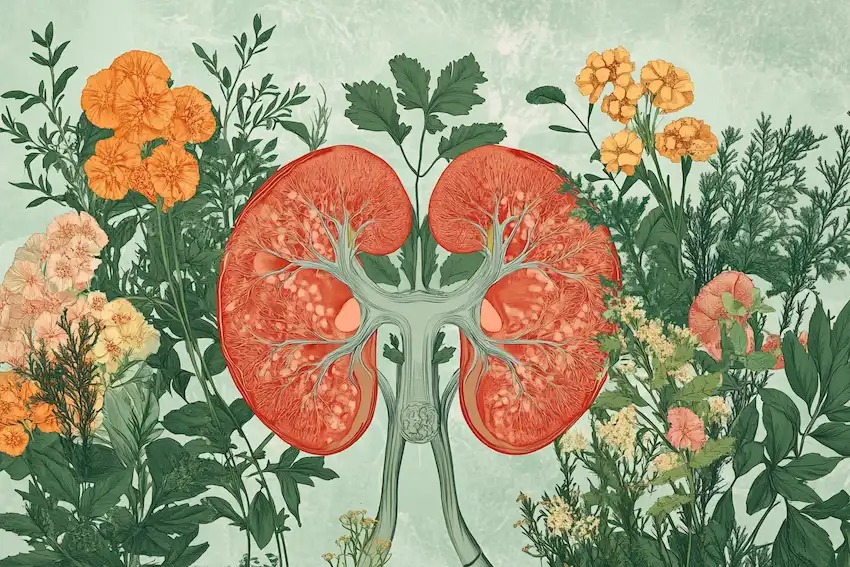
- Interfering with crystal formation. Laboratory and animal studies suggest compounds in the plant may reduce the aggregation of calcium oxalate crystals — the main component of most kidney stones — and alter how they interact with kidney tissue.
- Mild diuretic effect, which may help move small fragments through the urinary tract.
- Possible ureteral relaxation, which some researchers have proposed could ease the passage of stone fragments, including after procedures like lithotripsy.
- Anti-inflammatory properties, which may reduce irritation associated with stone movement.
What Actual Clinical Research Shows
This is where the picture gets more honest than most articles on this topic let on. A 2020 systematic review and meta-analysis published in the Canadian Journal of Urology found only two controlled human studies meeting inclusion criteria — a notably small evidence base for how widely the plant is marketed. Those two studies did find statistically significant reductions in both stone size and stone number with P. niruri treatment. But the review’s own conclusion was direct: “Limited clinical evidence supports modest efficacy… pending further study.”
A separate 12-week clinical study from the University of São Paulo, published in the International Braz J Urol, tracked 56 patients with small kidney stones (under 10mm) using P. niruri infusion. It found measurable changes in some urinary metabolic markers (including potassium and magnesium excretion) but no significant changes in most other measured values — a mixed result rather than a clear-cut confirmation of stone dissolution.
Encouragingly, across the available clinical studies, researchers have not reported adverse renal, cardiovascular, or neurological effects. But the researchers behind essentially every study on this plant reach the same conclusion: the existing evidence is suggestive, not definitive, and longer-term, larger randomized trials are still needed before P. niruri can be considered a proven treatment.
Why This Distinction Actually Matters
Kidney stones range enormously in severity — a small stone might pass on its own with no intervention at all, while a larger stone can cause a urinary tract obstruction, severe infection, or kidney damage if left untreated. That range is exactly why self-treating with an herbal remedy of modest, unconfirmed effectiveness carries real risk: it can’t be assumed to work reliably, and relying on it alone could delay care for a stone that genuinely needs medical or surgical treatment.
Seek Immediate Medical Care If You Experience
- Severe or worsening pain in your back, side, or lower abdomen
- Fever or chills alongside stone symptoms (a possible sign of infection)
- Nausea and vomiting that prevents you from staying hydrated
- Blood in your urine
- Difficulty urinating or a complete inability to urinate
None of these are situations where an herbal remedy is an appropriate substitute for medical evaluation.
The Honest Bottom Line
Phyllanthus niruri has a long traditional-use history and a small but genuinely promising body of early clinical research behind it — that’s a fair, accurate way to describe it. What it doesn’t have yet is strong enough evidence to be treated as a reliable, standalone “cure” or precise dosing protocol, despite how confidently it’s often marketed online. Anyone dealing with a suspected kidney stone should be evaluated by a doctor, who can determine the stone’s size and location — the actual factors that determine whether it’s likely to pass on its own, whether any supportive approach is reasonable to try alongside monitoring, or whether medical intervention is needed.
Frequently Asked Questions
Is Phyllanthus niruri safe to try alongside standard medical care? Available clinical studies haven’t reported significant adverse effects, but anyone with kidney stones, pregnant or breastfeeding, or taking other medications should discuss it with their doctor first, since safety data specific to drug interactions remains limited.
Can herbal remedies alone dissolve an existing kidney stone? Current clinical evidence doesn’t support treating any herbal remedy, including Stone Breaker, as a reliable way to dissolve an existing stone on its own — the research so far shows modest, inconsistent effects rather than dependable dissolution.
How is a kidney stone’s treatment normally decided? Doctors typically base treatment on the stone’s size, location, and the patient’s symptoms — small stones are often monitored for natural passage, while larger or obstructing stones may require procedures like lithotripsy, ureteroscopy, or surgical removal.
Sources: Dhawan & Olweny (2020), Canadian Journal of Urology; Micali et al., International Braz J Urol; and a 2018 University of São Paulo clinical study (PMC/NCBI), cited above.
Leave a Reply