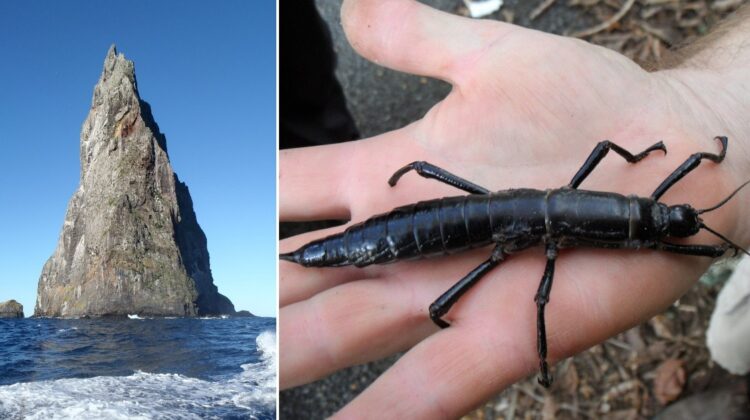
Unique of the unique of the unique.
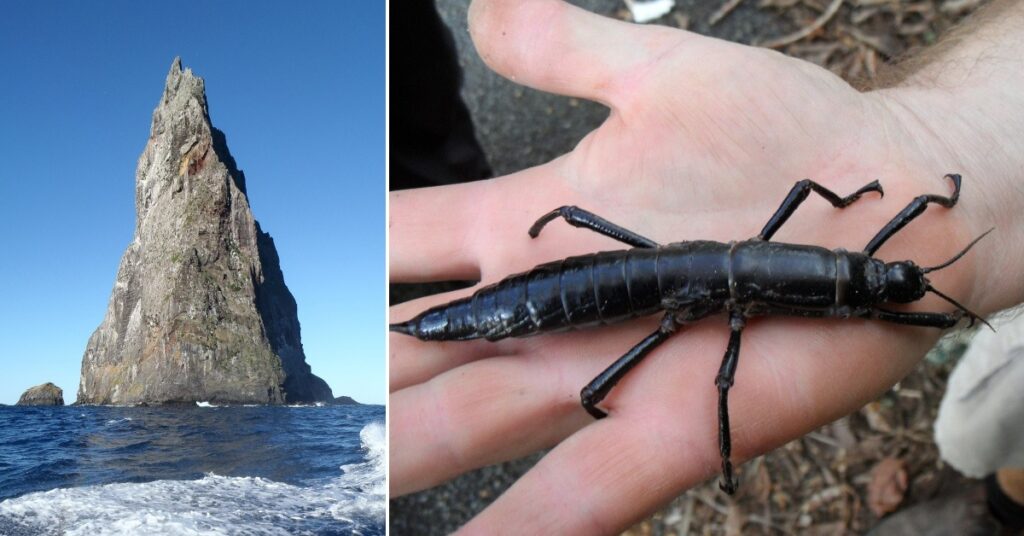
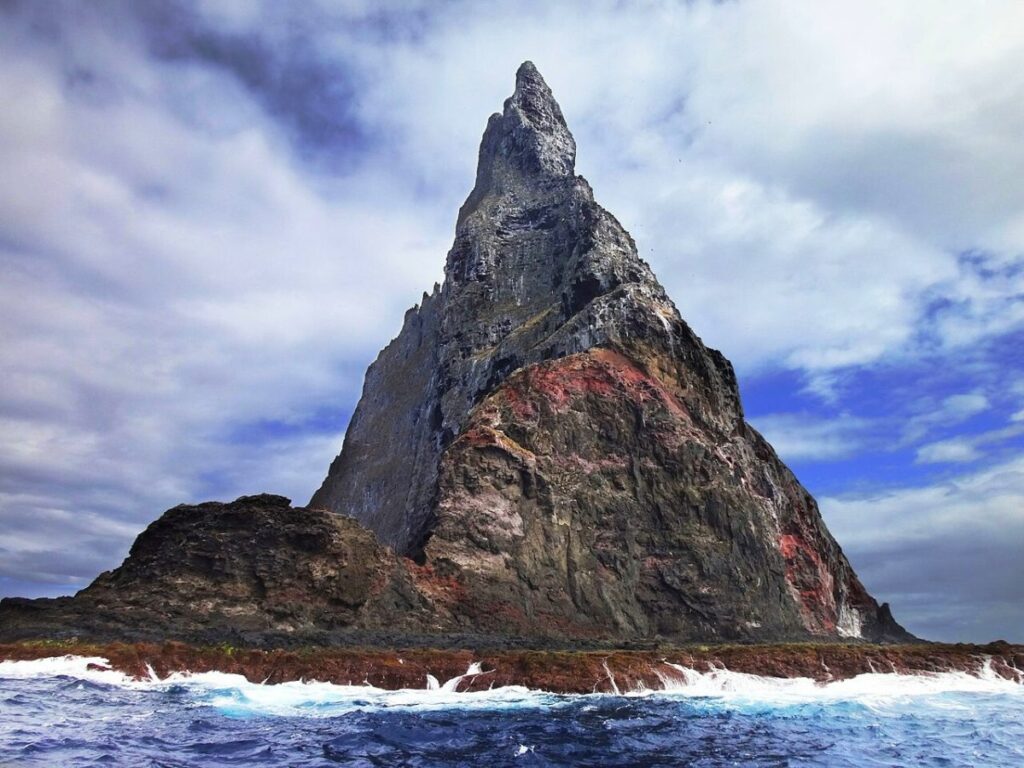
Towering like a volcanic spear from the Tasman Sea, Ball’s Pyramid stands as the world’s tallest sea stack – a dramatic pinnacle formed by the erosion of an ancient shield volcano about 6.4 million years ago. Rising a staggering 562 meters (1,844 feet) from its base, this uninhabited islet boasts a unique ecosystem teeming with seabirds, insects, and some endemic plant life clinging to its rugged slopes.
Situated approximately 600 kilometers (373 miles) east of the Australian mainland in the Tasman Sea, Ball’s Pyramid is an isolated volcanic remnant of the submerged continent known as Zealandia – as is nearby and much bigger Lord Howe Island. It is a beacon of biodiversity and geological wonder, attracting intrepid climbers and scientists eager to unravel its secrets.
But isolation also harbors vulnerability, as evidenced by the tragic extinction of the Lord Howe Island stick insect (Dryococelus australis) – also called tree lobster for obvious reasons – just over 50 years ago. Once thriving on Lord Howe Island, the stick insects vanished in the early 20th century, likely victims of invasive black rats hitching a ride to the island on a stranded ship in 1918.
Yet, in 2001, amidst the seemingly barren rock face of Ball’s Pyramid, scientists rediscovered a small population clinging to survival. The tree lobsters had established residence on a melaleuca bush, also known as the Lord Howe Island tea tree, which is the only plant life on Ball’s Pyramid. It turned out that this one bush sustained the entire population, and that this was the only bush on the entire island!
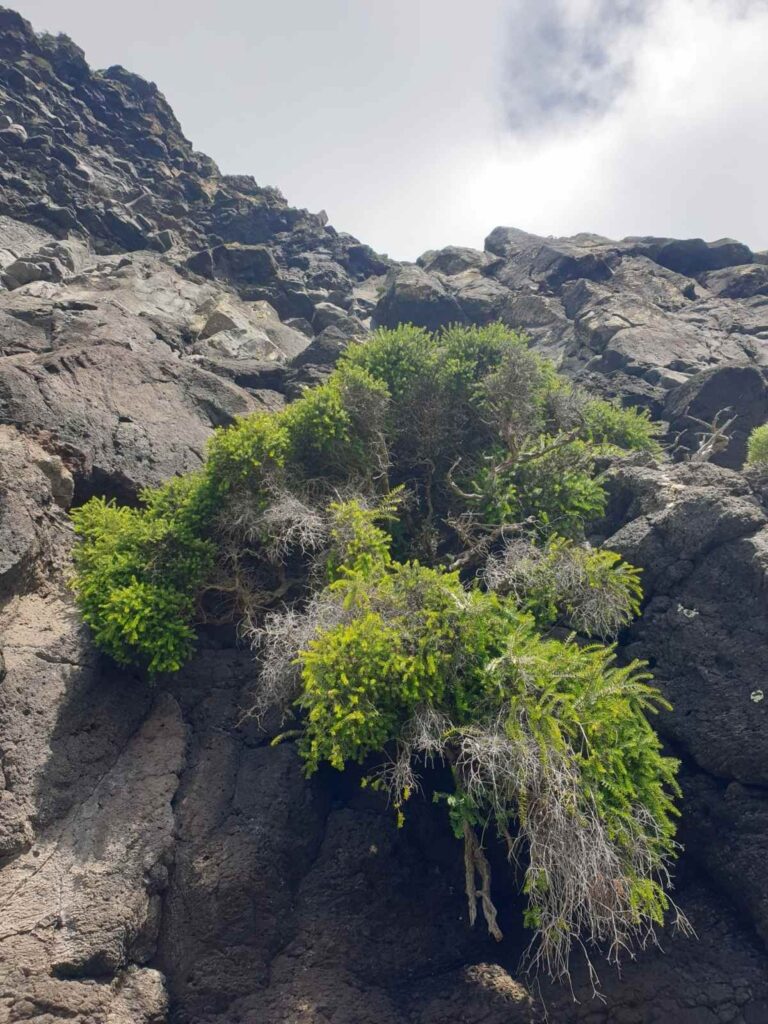
The bush manages to thrive in a crevice where water seeped through cracks in the rocks, fostering lush growth and accumulating plant debris several meters deep over time. At night, the insects settle close to the plant roots or in rock crevices nearby. During the day, the melaleuca bush serves as the insects’ only food source on the rocky islet. Just how the tree lobsters made it from Lord Howe Island to the safety of Ball’s Pyramid is a mystery, but it’s speculated that common noddy birds may have transported them as nesting material.
This remarkable comeback sparked a global conservation effort, with some insects even finding new homes in zoos around the world. Since the rediscovered population consisted of only 24 individuals, the tree lobster was named “the rarest insect in the world.”
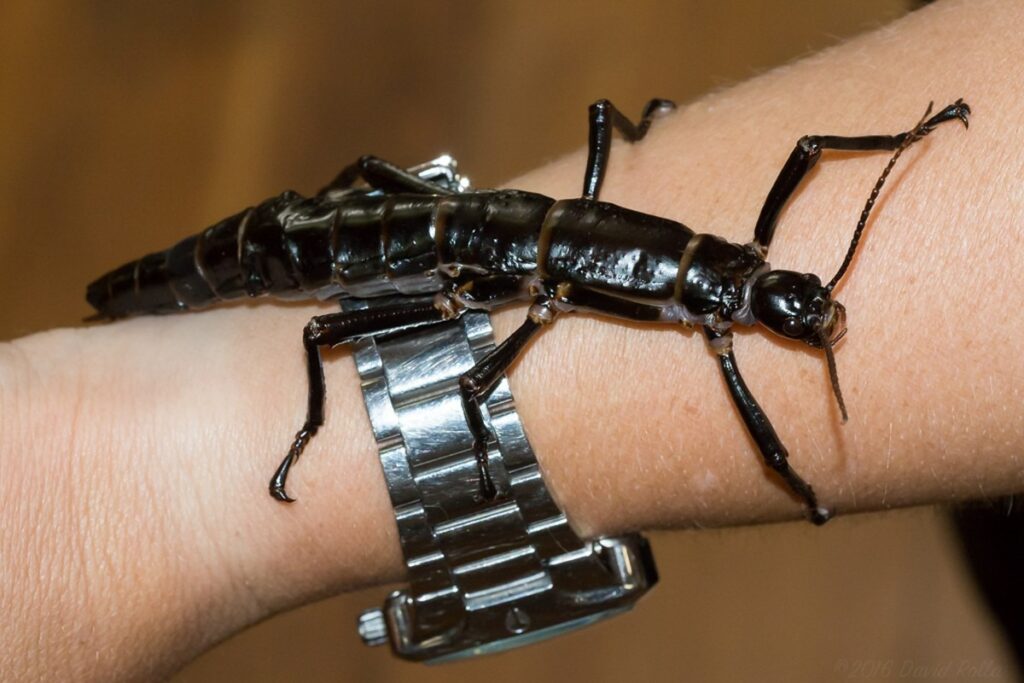
Adult Lord Howe Island stick insects can measure a whopping 20 centimeters (8 in) in length and weigh 25 grams (1 oz), but what truly sets them apart is their social life. Unlike most insects, where fleeting encounters define mating, these creatures form lasting bonds.
Males and females pair up, sharing food, grooming each other, and even spending nights nestled together – a rarity in the insect world. This unique behavior, observed by entomologists studying the rediscovered population, adds another layer of fascination to their already extraordinary story.
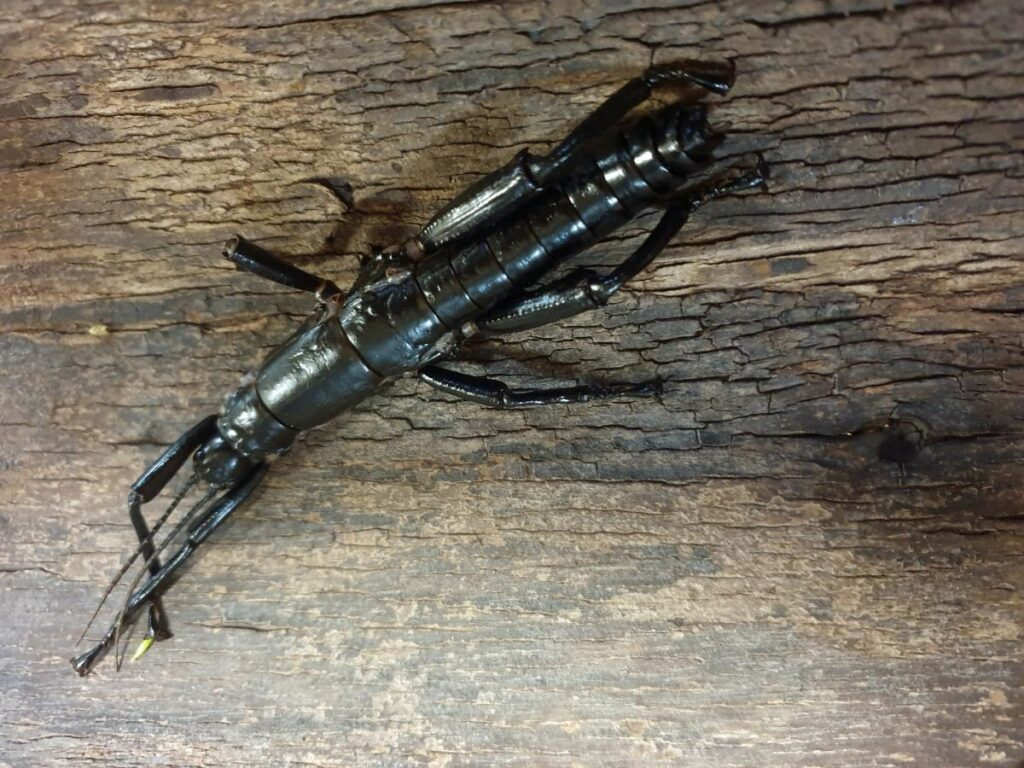
Now, some stunning world-first footage allows us an unprecedented glimpse into the tree lobsters’ miraculous hatching process. The video was shot at the Melbourne Zoo, which runs a breeding program for the rediscovered insect with eggs from Ball’s Pyramid.
Despite conservation efforts, the future of these amazing creatures remains precarious, as Ball’s Pyramid’s isolation and limited resources make them vulnerable to climate change and other disturbances.
Visiting Ball’s Pyramid requires special permits and involves significant physical challenges, making it accessible only to dedicated researchers and adventurers – which is definitely good news for its tree lobsters.
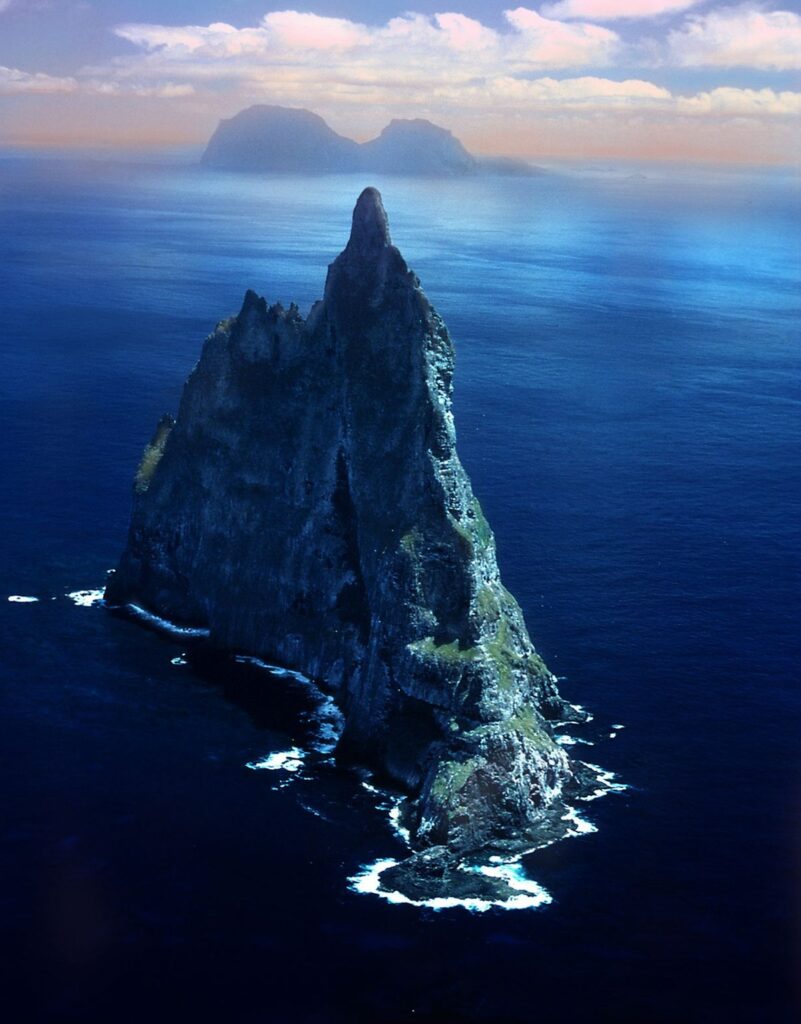
Even from a distance, the story of Ball’s Pyramid, the Lord Howe Island stick insect, and the Lord Howe Island tea tree, serves as a powerful reminder of the hidden wonders that exist in even the most remote corners of our planet, and the crucial role we play in their demise and preservation.
Just wondering which kind of Melaleuca bush it is…….as there are 3 kinds which all come from Australia. Anti-viral, anti-inflammatory, resperitory infections. Very interesting this insect basically taking on a partner.