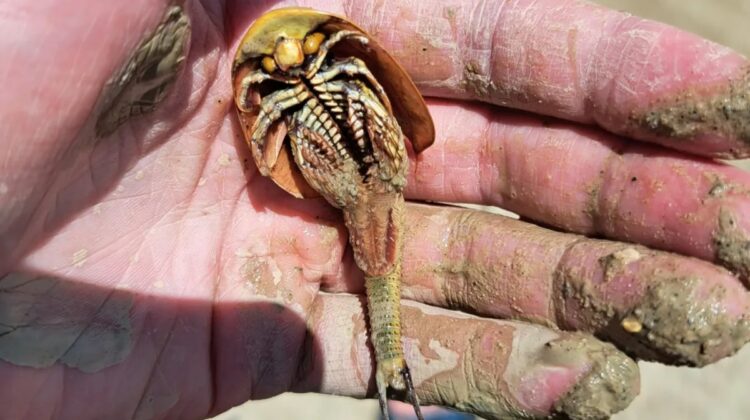
The 2023 Burning Man festival is remembered for its mud. For some tiny desert residents, though, the flood was exactly what they had been waiting for. As thousands of people sloshed through the Nevada desert, ancient crustaceans hatched from eggs that had lain dormant in the dust for years.
A Desert Lakebed Meets a Flood
Burning Man is held each year on the Black Rock Playa, a flat, dry lakebed in northwestern Nevada. On September 1, 2023, up to an inch of rain fell on it, according to NASA’s Earth Observatory. High Country News reported that the downpour was about two to three months’ worth of rain for the usually dry lakebed. The playa turned into slick mud and roughly 70,000 people were stranded on site for a time.
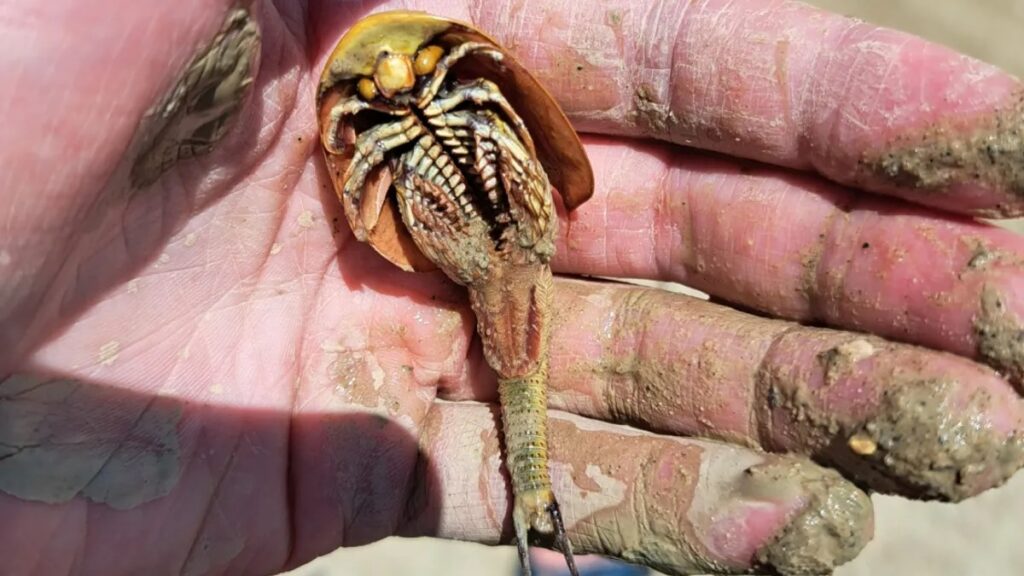
Meet the “Dinosaur Shrimp”
The animals that appeared are tadpole shrimp of the genus Triops, nicknamed “dinosaur shrimp.” The name Triops means “three eyes” in Greek: they have two main eyes plus a light-sensing pit organ that works like a third. They are freshwater crustaceans that look like miniature horseshoe crabs, and they belong to a lineage so old that they are often described as living fossils, relatives of Triops cancriformis, which is frequently called one of Earth’s oldest living species.
They are joined by fairy shrimp, translucent crustaceans that thrive in temporary pools and are close cousins of the brine shrimp sold as “sea monkeys.” A Desert Research Institute study of the Black Rock playa found four species of these shrimp-like animals, the most common being the giant fairy shrimp.
How Their Eggs Survive
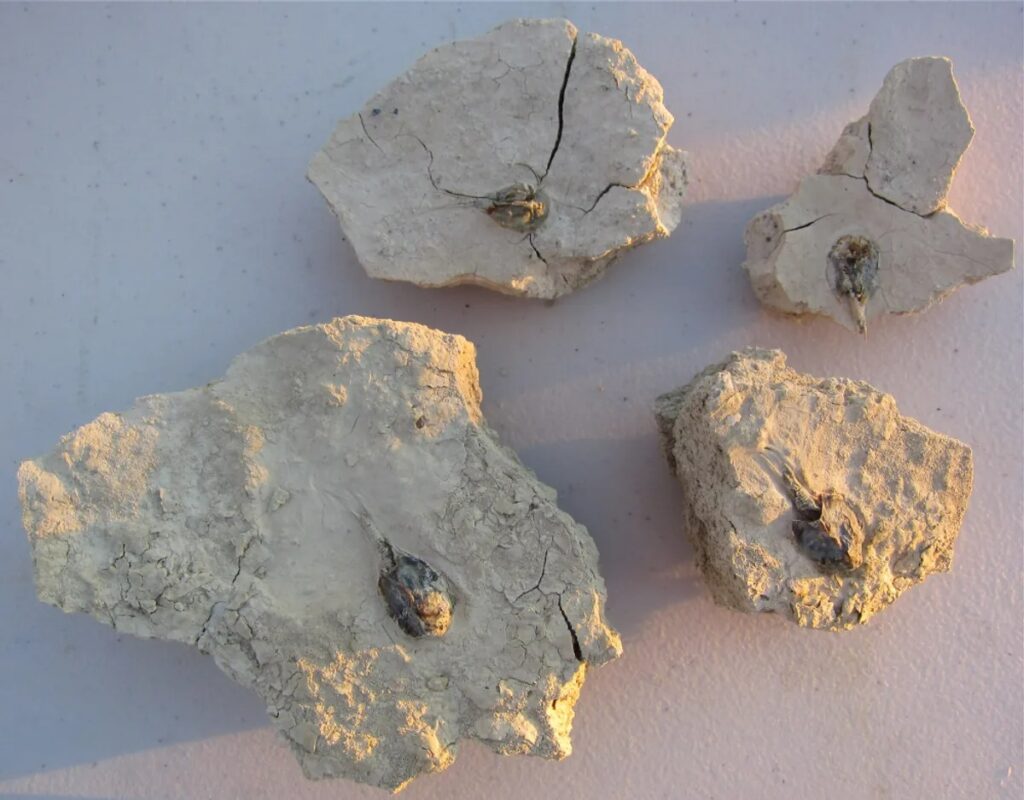
The secret is the egg. After the playa dries, shrimp eggs stay in the sediment, tolerating heat, dryness and cold, sometimes for years. When rain floods the lakebed for long enough, the eggs hatch, and the animals race to grow and lay new eggs before the water vanishes, a cycle that can take little more than a week for some species. Adults that get caught as the mud dries do not make it, but their eggs can lie in wait for the next flood.
Does Burning Man Harm Them?
Researchers have looked at that question. Don Sada of the Desert Research Institute told the Reno News & Review that the event likely affects the animals locally but is unlikely to harm the overall population, because the festival occupies only a small share of the vast playa. The Bureau of Land Management has recommended that organizers soak the playa surface after the event to restore the protective crust that shields the eggs. Others hope the sudden interest will lead to more attention for the playa ecosystem as a whole.
Hatch Your Own Triops (and Plan a Wetter Festival)
If the story sparked your curiosity, you can see how they hatch for yourself:
- Triops hatching kits. Triops kits and sea monkey kits are a popular science project for kids and curious adults.
- Microscopes. A kids’ microscope or digital microscope shows tiny details like their three eyes.
- Aquarium supplies. A small aquarium tank and water conditioner help keep a hatchery going.
- Festival travel insurance. If you attend an outdoor festival, compare event travel insurance and trip cancellation coverage in case of weather.
- Weather gear. Waterproof tents, rain boots and ponchos matter if rain arrives.
- Support the desert. A donation to a desert conservation group helps protect fragile playa habitats.
Frequently Asked Questions
What are Triops? Freshwater crustaceans called tadpole shrimp or “dinosaur shrimp,” named for their three-eyed look.
Why did they appear at Burning Man? Heavy rain flooded the Black Rock Playa, triggering eggs that had been lying dormant in the sediment.
Are fairy shrimp the same as sea monkeys? Not exactly. They are close relatives of the brine shrimp sold as sea monkeys.
How long can their eggs survive? Years, and in some reports decades, until the right conditions return.
Sources: IFLScience, The Independent, NASA Earth Observatory, High Country News, and Reno News & Review, all covering the dinosaur shrimp and fairy shrimp that hatched on Nevada’s Black Rock Playa after the 2023 Burning Man floods.
Leave a Reply