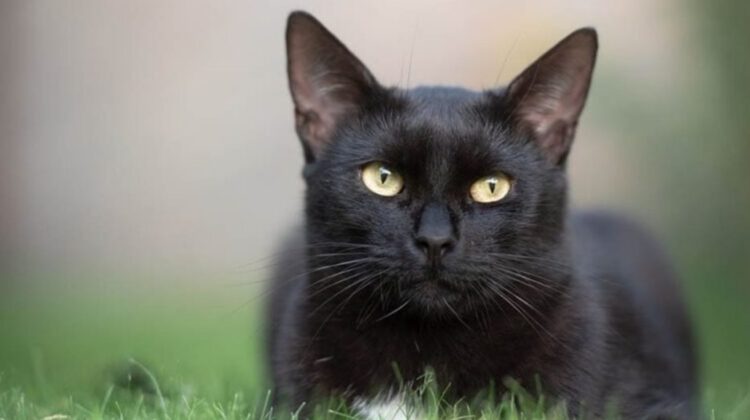
For centuries, black cats have fascinated people around the world. Admired by some cultures and feared by others, these elegant felines have become surrounded by myths that continue to influence how they are viewed today.
One of the most enduring superstitions claims that a black cat crossing your path brings bad luck. In some traditions, people believed they should wait for the cat to cross back before continuing their journey. These beliefs became closely linked to medieval folklore, when black cats were wrongly associated with witchcraft and the supernatural.
Despite these long-standing myths, historians and animal experts emphasize that there is no evidence that black cats bring misfortune. In fact, attitudes toward them vary greatly across cultures. While some societies viewed them as omens of bad luck, others regarded them as symbols of protection, prosperity and good fortune.
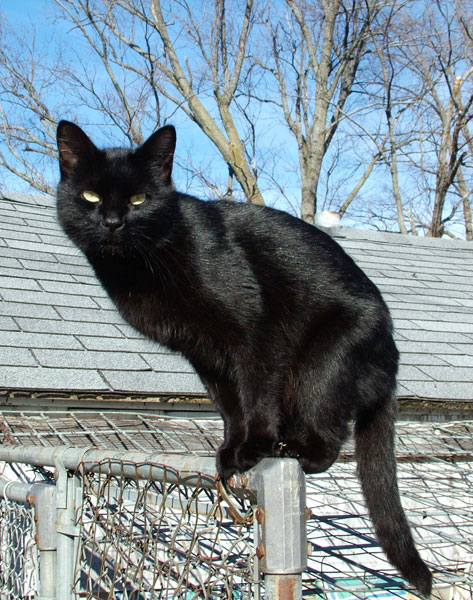
Unfortunately, these superstitions continue to have real-world consequences. Animal shelters have long reported that black cats are often adopted less frequently than cats with lighter-colored coats, with many experts believing outdated myths still influence adoption decisions.
What Does It Mean If a Black Cat Comes to Your Home?
In most cases, the explanation is simple: the cat may be searching for food, water, shelter or a safe place to rest. Friendly stray cats often approach homes where they sense people may care for them, especially if they have previously been fed nearby.
Many cultures, however, attach symbolic meanings to these encounters. Some traditions consider a black cat visiting a home to be a sign of protection, positive energy or upcoming good fortune. Others simply see it as a reminder to show compassion toward animals in need.
The Historic Bond Between People and Cats
Long before modern superstitions emerged, cats played an essential role in human civilization. Ancient Egyptians highly valued cats for protecting food stores by hunting rodents and venomous animals such as snakes and scorpions. Their presence helped reduce crop losses and protected households from dangerous pests, making them respected companions rather than feared creatures.
Over time, cats also came to symbolize independence, patience and resilience. Their ability to thrive alongside humans while maintaining their natural instincts has made them one of the world’s most beloved companion animals.
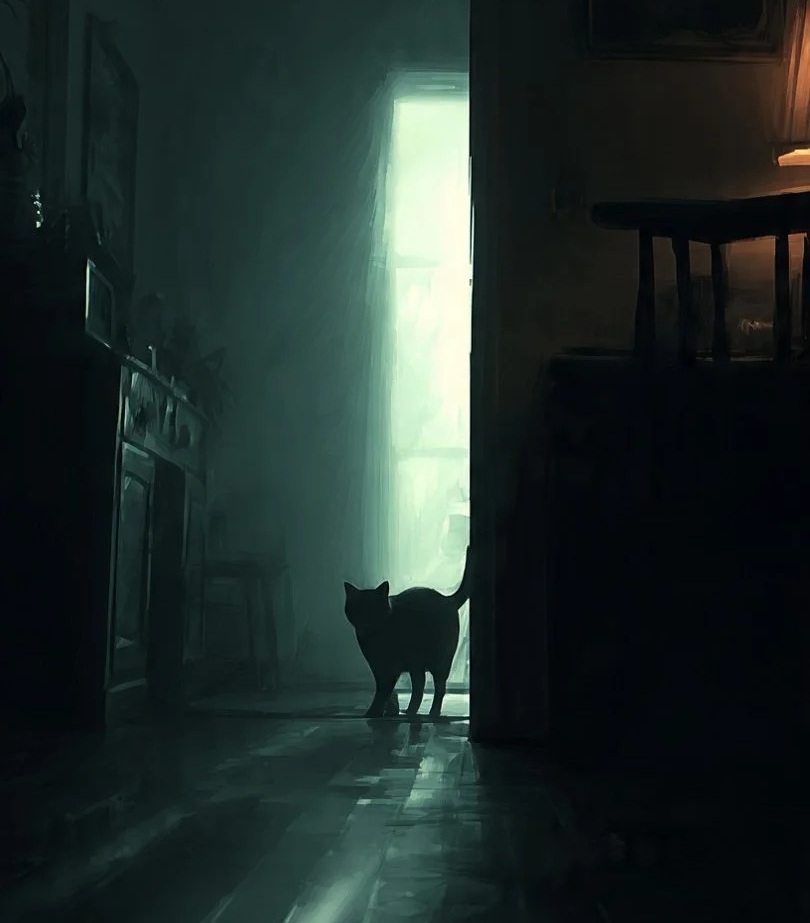
Today, animal welfare organizations encourage people to judge black cats by their personalities rather than centuries-old myths. Like every other cat, they can become affectionate, playful and loyal companions when given proper care and a loving home.
Caring for Black Cats and Promoting Responsible Pet Adoption
Animal welfare experts encourage prospective adopters to look beyond coat color when choosing a pet. Black cats require the same love, nutrition, veterinary care and enrichment as any other cat, and their temperament depends on their individual personality—not their appearance. By adopting responsibly and challenging outdated superstitions, families can help reduce shelter overcrowding while giving deserving animals a safe and permanent home.
Leave a Reply